

DigiByte (DGB) is an innovative and highly scalable open-source blockchain launched in 2013, designed for fast and secure digital transactions. With impressive block confirmation times of approximately 15 seconds, DigiByte is 40 times quicker than Bitcoin, making it an efficient choice for everyday payments. Its cutting-edge technology incorporates five distinct cryptographic algorithms to enhance security and prevent centralization, proving its resilience against potential attacks. This versatile platform not only functions as a digital currency but also supports the creation of digital assets, smart contracts, and decentralized applications (dApps), promoting a robust ecosystem for developers. The community-driven nature of DigiByte fosters a transparent and inclusive environment, as it has never been funded through an ICO or backed by a central authority: instead, development is driven by volunteers. DigiByte's architecture includes three innovative layers that manage network infrastructure, security, and communications, delivering a unique experience. The top layer allows for the issuance of various digital assets and dApps, while the middle layer ensures secure and immutable record-keeping through a public ledger. The base layer supports global network communication, facilitating thousands of nodes worldwide. As a proof-of-work (PoW) asset that embraces multi-algo mining, DigiByte allows for a diverse range of mining hardware, enhancing decentralization. DigiByte stands out with its pioneering features, such as the DigiAssets protocol for asset creation and Digi-ID, a secure authentication solution eliminating the need for usernames and passwords. The DigiByte Foundation and community initiatives drive growth, ensuring ongoing development and awareness of this decentralized blockchain.
Pump.fun is letting users launch tokens paired directly with tokenized stocks, crypto majors, and metals on Solana.

The CLARITY Act now has 100+ changes, but with 60 Senate votes needed, Polymarket bettors still put its odds at 19%.

U.S. Bank just sent its own USBDC stablecoin to Europe on Stellar, putting a 163-year-old lender on a public blockchain.

A Nomic bug minted unbacked nBTC, blew a 36% hole in an Osmosis bitcoin fund and somehow went unnoticed for 74 days.

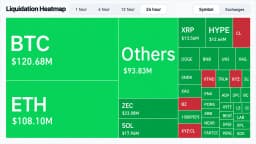
Bitcoin fell under $77K after hot U.S. PPI data fueled Fed rate hike fears, driving $562M in crypto liquidations.