

Casper Network (CSPR) is a decentralized, proof-of-stake (PoS) Layer 1 blockchain designed for enterprise adoption, scalability, and developer-friendly applications. Launched on March 31, 2021, Casper is built on the Correct-by-Construction (CBC) Casper specification, a consensus model initially developed by Ethereum researchers. The network is optimized for security, energy efficiency, and high-performance smart contract execution, making it a strong alternative for businesses and developers seeking blockchain solutions. One of Casper's standout features is upgradable smart contracts, which allow developers to modify deployed contracts without disrupting the network or requiring contract redeployments. This makes Casper highly adaptable for enterprises looking for long-term blockchain solutions without the risk of outdated code. Casper introduces predictable transaction fees, ensuring that developers and businesses can calculate costs with certainty, avoiding the volatility seen in networks with fluctuating gas fees. Additionally, the platform supports WebAssembly (Wasm)-based smart contracts, enabling developers to write applications in multiple programming languages, including Rust and AssemblyScript. Governance on Casper is conducted through an on-chain voting system, where CSPR token holders can participate in decisions that shape the network's future. The network's PoS mechanism allows users to stake CSPR to support network security while earning staking rewards. With a focus on enterprise blockchain adoption, Casper is positioned as a highly scalable and developer-centric network, bridging the gap between traditional businesses and decentralized technology. In the evolving crypto space, Casper continues to expand its ecosystem with growing enterprise partnerships, developer integrations, and decentralized applications (dApps).
Pump.fun is letting users launch tokens paired directly with tokenized stocks, crypto majors, and metals on Solana.

The CLARITY Act now has 100+ changes, but with 60 Senate votes needed, Polymarket bettors still put its odds at 19%.

U.S. Bank just sent its own USBDC stablecoin to Europe on Stellar, putting a 163-year-old lender on a public blockchain.

A Nomic bug minted unbacked nBTC, blew a 36% hole in an Osmosis bitcoin fund and somehow went unnoticed for 74 days.

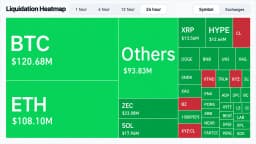
Bitcoin fell under $77K after hot U.S. PPI data fueled Fed rate hike fears, driving $562M in crypto liquidations.