What is Basic Attention Token (BAT)?
Last updated
Written by

Reviewed by

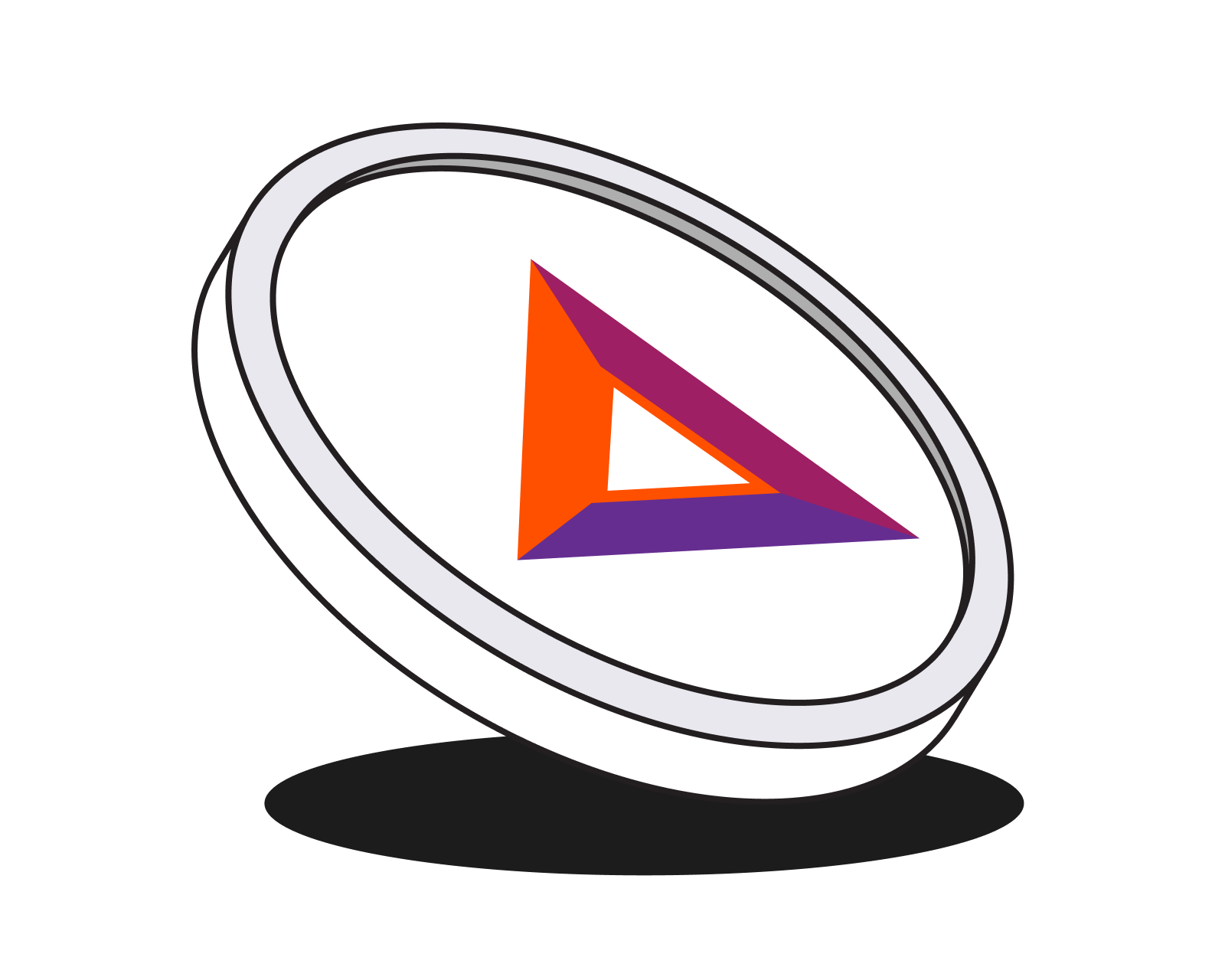
Table of Contents
Overview
Basic Attention Token (BAT) is a utility token built on the Ethereum blockchain and designed to fix the inefficiencies of online advertising. BAT is a core component of the Brave Browser, a privacy-first web browser created to protect user data while rewarding genuine engagement. Instead of relying on trackers, intermediaries, and opaque ad networks, BAT enables a direct value exchange between advertisers, users, and publishers.
BAT launched in 2017 after raising $35 million in under a minute during its ICO. It has since become one of the most widely used cryptocurrencies in the Web3 ecosystem, supported by major exchanges, wallets, and decentralized platforms. As of 2025, Brave has surpassed 100 million monthly active users and more than 1 million verified creators participating in the BAT rewards system, making it one of the largest consumer-facing crypto ecosystems in the world.
How BAT Works
The BAT ecosystem is built around the Brave Browser and its opt-in advertising model called Brave Rewards. When users enable Brave Ads, they receive privacy-preserving advertisements that are matched locally on their device - not through server-side tracking or cross-site surveillance.
The flow of value works as follows:
- Advertisers purchase ad space using BAT.
- Users opt in to view ads and receive a portion of that ad spend directly as BAT rewards.
- Publishers and content creators receive BAT based on user engagement, site visits, and tips.
- Brave takes a small share of advertising revenue to maintain the ecosystem.
This creates a decentralized marketplace for attention, where user data stays private and all participants benefit from the exchange.
BAT also integrates with the Brave Wallet and Brave Creators Program, enabling users to tip websites, YouTube creators, Twitch streamers, and social media accounts directly. Publishers can automatically receive payouts based on attention time or manual contributions from users.
Why BAT Exists: The Problem it Solves
The traditional digital advertising industry is dominated by third-party intermediaries who track users across the web, harvest data, and charge advertisers high fees. This model introduces several problems:
- Users are constantly tracked, profiled, and served intrusive ads.
- Publishers lose revenue to middlemen and suffer from ad fraud.
- Advertisers waste budget on low-quality impressions and bots.
BAT solves these issues by aligning incentives across the entire advertising ecosystem:
- Users keep their data private and get compensated for their attention.
- Publishers earn more revenue from real engagement.
- Advertisers get higher-quality impressions from fully verified audiences.
Brave’s built-in tracker and ad blocker ensure privacy and speed, while the BAT token creates a transparent value layer around attention.
Key Features and Benefits
Privacy-Preserving Ads
Brave does not track users or collect personal data. Ads are matched locally based on browsing behavior stored privately on the device.
Direct User Rewards
Users earn BAT simply by browsing and choosing to view ads. This gives value back to the person generating the attention.
Transparent Economics
Advertisers know exactly where their budgets go, and publishers receive fair compensation based on verified engagement.
Multiplatform Creator Support
Over 1 million websites, YouTubers, Twitch streamers, and social media creators accept BAT tips through the Brave Creators Program.
ERC-20 Token Compatibility
BAT’s Ethereum-based design allows holders to use it in DeFi, store it in the Bitcoin.com Wallet, and trade it across major exchanges.
BAT Tokenomics
- Maximum supply: 1.5 billion BAT
- Circulating supply: Nearly 100 percent of the total supply is already in circulation
- Network: ERC-20 token on Ethereum
- Distribution: ICO participants, Brave development fund, and user growth initiatives
- Consensus: Secured by Ethereum’s Proof-of-Stake network
BAT is not mineable. All tokens were minted during the ICO, and new supply cannot be created.
Real-World Use Cases
Rewarding Users
Individuals earn BAT for viewing Brave Ads, receiving a monthly payout directly into their Brave Wallet.
Tipping Creators
Users can send BAT to websites, YouTube channels, X (Twitter) accounts, or creators they appreciate.
Advertising Payments
Advertisers run campaigns by purchasing ad inventory with BAT through Brave’s self-serve platform.
DeFi Integrations
BAT can be used on decentralized protocols, including lending platforms, liquidity pools, and collateral systems such as Sky Protocol (formerly MakerDAO).
Trading and Payment
BAT is available on leading exchanges and supported by major self-custodial wallets, letting users trade, swap, or spend tokens freely.
BAT vs. Traditional Digital Advertising
| Category | BAT/Brave Model | Traditional Ad Model |
|---|---|---|
| Privacy | No tracking; local ad matching | Extensive tracking and profiling |
| Rewards | Users earn tokens | Users earn nothing |
| Efficiency | Fewer intermediaries | Multiple middlemen take fees |
| Fraud | Reduced due to direct engagement | Ad fraud and bots are common |
| Performance | Fast browsing; fewer scripts | Slow browsing; heavy ad load |
BAT’s model modernizes digital advertising by shifting power back to users and content creators.
Risks and Challenges
Like all crypto projects, BAT faces several risks:
Dependence on Brave
While BAT is tradable and used outside the browser, its core utility is linked to Brave’s ecosystem. Growth depends on Brave’s continued adoption.
Crypto Market Volatility
BAT’s price can fluctuate significantly during market cycles.
Competition
Other Web3 browsers or advertising protocols may emerge offering similar features.
Regulatory Shifts
Changes in privacy laws, advertising standards, or crypto regulations could impact the ecosystem.
Future Outlook
BAT has one of the largest real-world user bases in crypto thanks to Brave’s rapid growth. With over 100 million monthly active users and expanding Web3 features, the BAT ecosystem is positioned to continue evolving.
Future developments include:
- deeper integration with decentralized identity systems
- expanded Brave Wallet capabilities
- broader creator monetization tools
- potential cross-chain support for improved liquidity
BAT’s focus on privacy, ownership, and fair value exchange gives it a durable role in the future of digital advertising and Web3.
Conclusion: Why Basic Attention Token Matters
Basic Attention Token (BAT) redefines how value moves across the internet. Instead of being tracked, monitored, and monetized without consent, users can now earn tokens for their attention while maintaining full privacy. Advertisers gain transparent access to real audiences, and publishers benefit from a fairer revenue model.
BAT demonstrates how blockchain technology can fix long-standing issues in online advertising by aligning incentives, respecting privacy, and creating a direct marketplace for attention. As Brave continues to grow, BAT remains one of the most successful and widely adopted consumer crypto use cases in the world.
Frequently Asked Questions
What is Basic Attention Token (BAT)?
BAT is a cryptocurrency that powers the Brave Browser’s advertising ecosystem. It allows users to earn tokens for viewing privacy-preserving ads while compensating advertisers and publishers more transparently.
Who created Basic Attention Token?
BAT was co-founded by Brendan Eich (creator of JavaScript and co-founder of Mozilla) and Brian Bondy (former Mozilla and Khan Academy developer). Brave Browser launched in 2016, and BAT launched in 2017.
How does BAT work?
Advertisers buy ad space using BAT. Users opt in to view ads and earn a share of the revenue. Publishers receive BAT based on engagement or tips.
Is BAT mineable?
No. BAT is not mineable. Its full supply of 1.5 billion tokens was created during the ICO.
What is BAT used for?
BAT is used for advertising payments, user rewards, tipping creators, trading, and participating in DeFi platforms.
Is BAT an ERC-20 token?
Yes. BAT is built on Ethereum, making it compatible with most crypto wallets and DeFi applications.
Can I use BAT outside of Brave?
Yes. BAT can be traded, held, staked, or used on various decentralized platforms and exchanges.
Where can I buy Basic Attention Token?
Users can buy, sell, and manage BAT in the Bitcoin.com Wallet or trade it on major exchanges like Coinbase, Binance, and Kraken.
Related guides
Start from here →
What is Bitcoin?
Get a straightforward introduction to Bitcoin and why it matters.
What is Bitcoin?
Get a straightforward introduction to Bitcoin and why it matters.

What are Altcoins?
Altcoins are cryptocurrencies beyond Bitcoin. Learn about their diverse functionalities, use cases, risks, and potential.
What are Altcoins?
Altcoins are cryptocurrencies beyond Bitcoin. Learn about their diverse functionalities, use cases, risks, and potential.
What is a Centralized Exchange (CEX)?
Learn about CEXs, the differences between them and DEXs, and whether they’re safe to use.
What is a Centralized Exchange (CEX)?
Learn about CEXs, the differences between them and DEXs, and whether they’re safe to use.
What is a Decentralized Exchange (DEX)?
A decentralized exchange (DEX) is a type of exchange that specializes in peer-to-peer transactions of cryptocurrencies and digital assets. Unlike centralized exchanges (CEXs), DEXs do not require a trusted third party, or intermediary, to facilitate the exchange of cryptoassets.
What is a Decentralized Exchange (DEX)?
A decentralized exchange (DEX) is a type of exchange that specializes in peer-to-peer transactions of cryptocurrencies and digital assets. Unlike centralized exchanges (CEXs), DEXs do not require a trusted third party, or intermediary, to facilitate the exchange of cryptoassets.
What is DeFi?
Learn what makes decentralized finance (DeFi) apps work and how they compare to traditional financial products.
What is DeFi?
Learn what makes decentralized finance (DeFi) apps work and how they compare to traditional financial products.
Coin vs Token: Updated 2026 guide
Coins run on their own blockchain, while tokens are built on existing blockchains. This 2026 guide explains the difference with examples, risks, and FAQs.
Coin vs Token: Updated 2026 guide
Coins run on their own blockchain, while tokens are built on existing blockchains. This 2026 guide explains the difference with examples, risks, and FAQs.
What is staking?
Learn about the power of staking.
What is staking?
Learn about the power of staking.

STAY AHEAD IN CRYPTO
Stay ahead in crypto with our weekly newsletter delivering the insights that matter most

Weekly crypto news, curated for you

Actionable insights and educational tips

Updates on products fueling economic freedom
No spam. Unsubscribe anytime.
Start investing safely with the Bitcoin.com Wallet
Over wallets created so far
Everything you need to buy, sell, trade, and invest your Bitcoin and cryptocurrency securely



Download App


© 2026 Saint Bitts LLC Bitcoin.com. All rights reserved
Download App
Company
Insights
Products & Services
Reviews
Follow
© 2026 Saint Bitts LLC Bitcoin.com. All rights reserved
 Get Bitcoin