
What is ApeX Protocol?
Last updated
Written by

Reviewed by


Table of Contents
ApeX Protocol is a decentralized, non-custodial trading platform that offers perpetual futures, cross-chain spot markets, vault strategies, and prediction markets through a modular, intent-centric, zero-knowledge-powered architecture.
Overview
ApeX Protocol is a decentralized, permissionless, and non-custodial trading platform launched in 2022. It enables professional-grade derivatives, spot, and prediction-market trading entirely on-chain, combining transparency and efficiency under a single multichain system.
ApeX was incubated by Davion Labs, a development and research firm backed by Bybit, and designed by engineers experienced in centralized exchange infrastructure. This origin explains the platform’s performance parity with CEXs while maintaining full decentralization.
The protocol’s evolution includes two main product lines:
- ApeX Pro – a decentralized orderbook-based perpetual futures platform offering up to 50x leverage across more than 45 trading pairs with cross-margined USDC and USDT collateral.
- ApeX Omni (v2) – a modular, intent-centric, and chain-agnostic upgrade built in partnership with zkLink, enabling multichain liquidity aggregation, zero-knowledge security, and new on-chain products such as vaults, tokenized stocks, and prediction markets.
As of Q1 2026, ApeX operates across Ethereum, BNB Chain, Arbitrum, Mantle, Base, and Solana, positioning itself as one of the most technically ambitious projects in the perpetual DEX ecosystem.
How it Works
ApeX Protocol is built on a modular, intent-centric architecture. Each product layer - perpetual contracts, spot swaps, vaults, and predictions - functions as an independent module connected to a unified liquidity and settlement layer powered by zkLink.
This structure allows ApeX to:
- Aggregate liquidity from multiple blockchains into a single interface.
- Eliminate the need for bridges or multi-wallet management.
- Execute trades across chains with cryptographic verification via zero-knowledge proofs (ZKPs). Learn more about zero-knowledge proofs.
The intent engine interprets user actions (such as a trade or swap) and routes them to the optimal execution venue, ensuring both best pricing and minimal latency.
Orderbook Perpetuals
ApeX Pro uses a decentralized orderbook and matching engine capable of handling up to 10,000 transactions per second. Users can open cross-margined positions in USDC or USDT, apply up to 100x leverage, and use advanced order types like limit, conditional, take-profit, and stop-loss.
Omni Spot Swap
Omni Spot Swap enables cross-chain spot trading using USDT as a single settlement asset. All gas fees can be paid in USDT, removing the need for native tokens on each chain. Built-in anti-MEV protection ensures fair order execution without front-running.
Vaults
ApeX Vaults are on-chain investment strategies that automate derivatives trading using algorithmic logic.
- Protocol Vaults: Curated and maintained by ApeX, generating yield from real trading fees.
- User Vaults: Customizable by individuals or teams who wish to deploy proprietary trading logic.
Vaults do not rely on external yield farming; instead, they capture on-platform fee revenue, making returns more transparent and sustainable.
Prediction Markets
ApeX Omni introduces leveraged prediction contracts with up to 20x leverage, referencing data from Polymarket. Users can speculate on binary outcomes - such as Bitcoin’s price milestones, political results, or sports outcomes - with settlements automatically reflecting verified results from external sources.
Tokenized U.S. Stocks
Through integration with providers like Backed Finance and MyStonks, ApeX supports trading of fractionalized, tokenized U.S. equities (e.g., Apple, Tesla, MicroStrategy). Tokens track underlying asset prices and pass through dividends but do not grant shareholder rights. Trading is available 24/7 using USDT, without KYC requirements.
Key Features
- Multichain Liquidity Aggregation: Combines liquidity from Ethereum, BNB Chain, Arbitrum, Mantle, Base, and Solana into one unified interface.
- Intent-Centric Routing: Routes trades across chains for optimal execution without manual bridging.
- Zero-Knowledge Security: Verifiable on-chain execution with privacy-preserving proofs via zkLink.
- Orderbook Perpetuals: High-speed matching, cross-margining, and advanced risk controls.
- Cross-Chain Spot Swaps: Unified liquidity and USDT-based gas payments for simplified trading.
- Vaults: Automated strategies generating real yield from platform fees.
- Prediction Markets: On-chain event trading backed by external data feeds.
- Tokenized Stocks: USDT-settled trading of fractional equities with dividend support.
- ApeX Social: Activity-based rewards, NFTs, and real-world prizes.
- DAO Governance: ApeX DAO oversees upgrades, incentives, and listings through on-chain proposals.
Token: APEX
The APEX token powers governance, staking, and incentive systems across the ApeX ecosystem.
Supply and Allocation
- Total supply: 500 million APEX
- Distribution:
- 23% Community Incentives
- 20% Ecosystem Growth & Liquidity
- 17% Team & Advisors
- 15% DAO Treasury
- 25% Investors and Strategic Partners
Utility and Governance
- Staking: APEX and esAPEX (escrowed APEX) can be staked to earn trading rewards.
- Governance: Token holders vote on listings, incentive parameters, and product updates through ApeX DAO.
- Buyback & Burn: Introduced in Q3 2025, ApeX uses a portion of trading fees from ApeX Omni to repurchase and burn APEX tokens, supporting long-term token scarcity.
Security
Security is central to ApeX’s design philosophy. The platform is fully non-custodial and employs several layers of protection:
- Audits: Completed by PeckShield and SlowMist.
- Zero-Knowledge Proofs: Used to validate trades and withdrawals cryptographically.
- Anti-MEV Protection: Prevents front-running and sandwich attacks on Omni Spot Swap.
- Forced Withdrawals: Allow users to retrieve funds directly from contracts even if the interface becomes unavailable.
- Cross-Margin Safeguards: Minimize liquidation contagion across positions.
- Transparent Documentation: Public code references, risk documentation, and operational disclosures.
Together, these mechanisms make ApeX one of the more technically advanced DEX architectures in terms of transparency, recoverability, and verifiable execution.
Strengths and Risks
Strengths
- Comprehensive product ecosystem combining derivatives, spot, vaults, and tokenized assets.
- Modular architecture supporting rapid innovation and scaling.
- True multichain access without bridging risk.
- Institutional-grade security leveraging ZK proofs and external audits.
- Active buyback program and DAO-based governance.
Risks
- Liquidity fragmentation across multiple chains may affect efficiency.
- Regulatory uncertainty surrounding tokenized stocks and leveraged prediction markets.
- Cross-margin systems introduce complex liquidation risks in volatile markets.
- Relatively new ZK and intent-routing mechanisms could face untested vulnerabilities.
ApeX’s strength lies in combining infrastructure-level innovation with transparent governance, but its regulatory and technical maturity will determine its long-term position among perpetual DEXs.
Roadmap
- Q3 2025: Launch of tokenized U.S. stock trading and expansion of vaults.
- Q4 2025: Support for non-price-based prediction markets (political, sports, and macro events).
- Early 2026: Development of ApeX Omni AppChain, a dedicated settlement layer for cross-chain intent routing.
- Ongoing: Expansion of ApeX DAO and broader zkLink integration to optimize cross-network execution.
Conclusion: ApeX and the Future of Decentralized Trading
ApeX Protocol represents a deliberate effort to merge the performance of centralized exchanges with the principles of decentralized finance. Its modular design, zero-knowledge foundation, and multichain liquidity model make it one of the most forward-looking entrants in the perpetual DEX sector.
By bridging derivatives, spot, prediction markets, and real-world assets under a single verifiable system, ApeX provides a clear blueprint for the next generation of decentralized trading infrastructure.
FAQ
What is ApeX Protocol?
ApeX Protocol is a decentralized, multichain exchange offering perpetuals, spot swaps, vaults, and prediction markets under a zero-knowledge, intent-centric framework.
Who created ApeX?
ApeX was incubated by Davion Labs, a development firm supported by Bybit, and built in partnership with zkLink for cross-chain liquidity and settlement infrastructure.
What is the APEX token used for?
The APEX token supports staking, governance, and platform rewards, and participates in a buyback-and-burn program funded by trading fees.
What blockchains does ApeX support?
ApeX currently supports Ethereum, BNB Chain, Arbitrum, Mantle, Base, and Solana, with more integrations planned.
Is ApeX non-custodial?
Yes. All funds remain in users’ wallets. Supported wallets include MetaMask, Privy, and WalletConnect-compatible options.
What are the fees on ApeX?
Perpetuals use a maker/taker model (around 0.02% / 0.05%). Omni Spot Swap applies a 0.5% fee, and vault participation involves variable protocol fees.
Can I trade tokenized stocks on ApeX?
Yes. ApeX Omni supports fractional tokenized stocks like Apple (AAPL) and Tesla (TSLA) through third-party issuers. These tokens track stock prices and dividends but do not confer voting rights.
How do ApeX Vaults generate yield?
Vaults automate derivatives strategies that earn yield from on-platform trading fees rather than external sources, enhancing transparency and sustainability.
Is ApeX audited?
Yes. Smart contracts have been audited by PeckShield and SlowMist, and the platform incorporates ZK verification and forced-withdrawal mechanisms for added safety.
What is planned next for ApeX?
ApeX aims to roll out advanced prediction markets and its dedicated Omni AppChain in 2026, extending its reach across new blockchain environments.
Related guides
Start from here →
Understanding Perpetual DEXs in 2026
Discover how decentralized perpetual exchanges (Perp DEXs) enable on-chain leverage, self-custody, and 24/7 global trading - all powered by smart contracts.
Understanding Perpetual DEXs in 2026
Discover how decentralized perpetual exchanges (Perp DEXs) enable on-chain leverage, self-custody, and 24/7 global trading - all powered by smart contracts.
Inside Perpetual Futures on Decentralized Exchanges
A complete breakdown of how perpetual futures operate on decentralized exchanges - covering smart contract mechanics, margin systems, and funding rate dynamics.
Inside Perpetual Futures on Decentralized Exchanges
A complete breakdown of how perpetual futures operate on decentralized exchanges - covering smart contract mechanics, margin systems, and funding rate dynamics.
Perp DEX vs. Spot DEX Explained
Learn how Spot and Perpetual DEXs differ in purpose, mechanics, and risk. Discover which decentralized exchange model fits your trading goals in 2026.
Perp DEX vs. Spot DEX Explained
Learn how Spot and Perpetual DEXs differ in purpose, mechanics, and risk. Discover which decentralized exchange model fits your trading goals in 2026.

Understanding Funding Rates on Perp DEXs
Explore how smart contracts use funding rates to stabilize perpetual futures. Learn how payments between longs and shorts keep prices in balance.
Understanding Funding Rates on Perp DEXs
Explore how smart contracts use funding rates to stabilize perpetual futures. Learn how payments between longs and shorts keep prices in balance.
Understanding Leverage in Crypto Trading
Discover how crypto leverage works - from margin and collateral to liquidation and funding. Learn how Perp DEXs manage leveraged positions transparently.
Understanding Leverage in Crypto Trading
Discover how crypto leverage works - from margin and collateral to liquidation and funding. Learn how Perp DEXs manage leveraged positions transparently.
How Liquidation Works on Perp DEXs
Discover how Perp DEXs automatically close leveraged positions to prevent losses. Learn how liquidation thresholds, oracles, and insurance funds protect users.
How Liquidation Works on Perp DEXs
Discover how Perp DEXs automatically close leveraged positions to prevent losses. Learn how liquidation thresholds, oracles, and insurance funds protect users.
How Oracles Keep Perp DEX Prices Fair
Explore how oracle networks deliver real-time market data to Perp DEXs, ensuring accurate pricing, fair liquidations, and stable funding rates.
How Oracles Keep Perp DEX Prices Fair
Explore how oracle networks deliver real-time market data to Perp DEXs, ensuring accurate pricing, fair liquidations, and stable funding rates.

Top Risks of Trading on Perpetual DEXs
Learn about the biggest risks in decentralized perpetual trading, including liquidation, funding volatility, oracles, liquidity, and smart contract exploits.
Top Risks of Trading on Perpetual DEXs
Learn about the biggest risks in decentralized perpetual trading, including liquidation, funding volatility, oracles, liquidity, and smart contract exploits.

Choosing the Right Perp DEX in 2026
A practical guide to finding the best Perpetual DEX for your needs - covering security, liquidity, fees, oracles, leverage, and governance.
Choosing the Right Perp DEX in 2026
A practical guide to finding the best Perpetual DEX for your needs - covering security, liquidity, fees, oracles, leverage, and governance.

STAY AHEAD IN CRYPTO
Stay ahead in crypto with our weekly newsletter delivering the insights that matter most

Weekly crypto news, curated for you

Actionable insights and educational tips

Updates on products fueling economic freedom
No spam. Unsubscribe anytime.
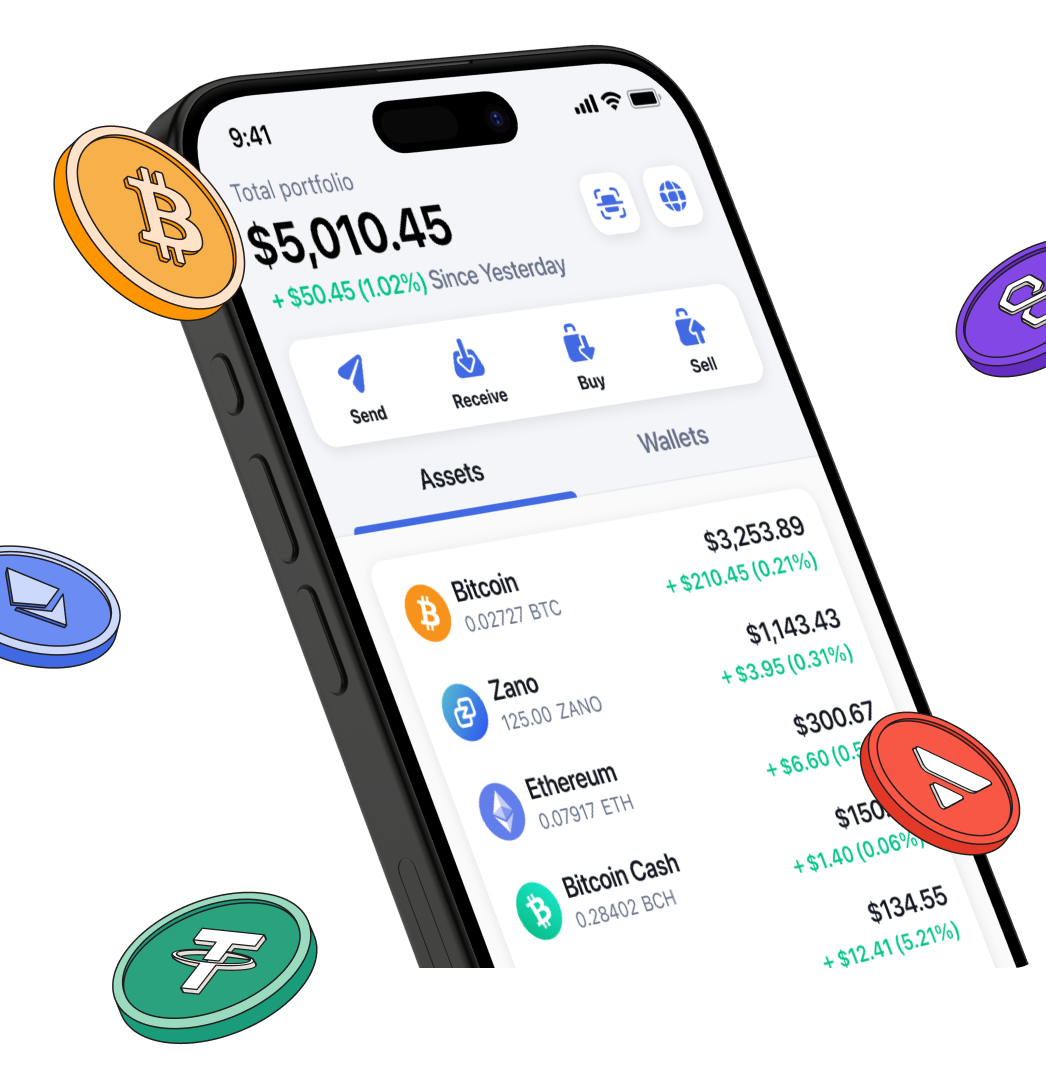
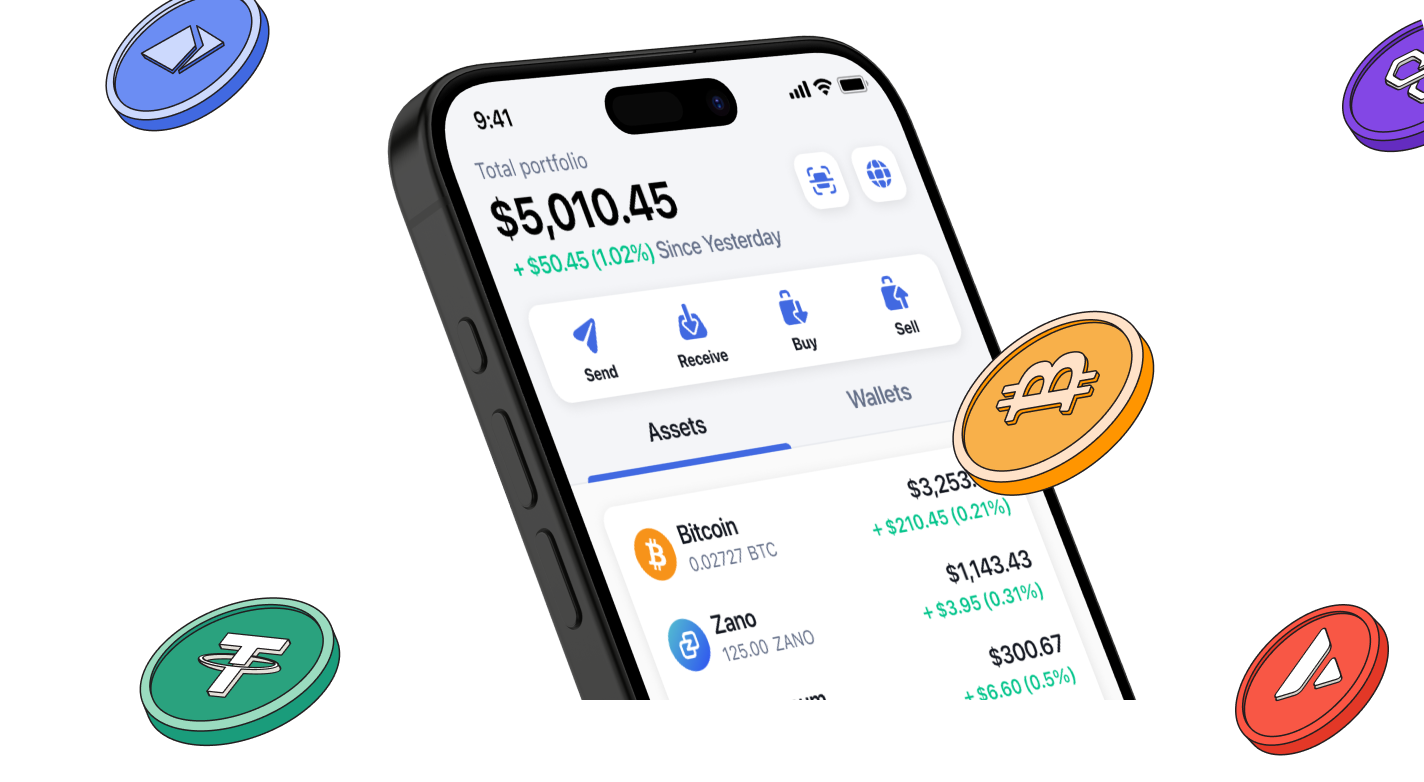
Start investing safely with the Bitcoin.com Wallet
Over wallets created so far
Everything you need to buy, sell, trade, and invest your Bitcoin and cryptocurrency securely



Download App


© 2026 Saint Bitts LLC Bitcoin.com. All rights reserved
Download App
Company
Insights
Products & Services
Reviews
Follow
© 2026 Saint Bitts LLC Bitcoin.com. All rights reserved
 Get Bitcoin