
암호화폐 거래에서 레버리지란 무엇인가?


목차
- Overview - Why Leverage Exists in Crypto Markets
- How Leverage Works in Practice
- Margin and Collateral - The Foundation of Leverage
- Leverage on Decentralized Exchanges
- Long vs. Short Leverage Positions
- The Relationship Between Leverage, Funding, and Liquidation
- Benefits of Using Leverage
- Risks of Leverage
- Managing Leverage Responsibly
- The Future of On-Chain Leverage
- FAQ
Leverage in crypto trading allows a trader to open a position larger than their available capital by borrowing additional funds. On decentralized exchanges (Perp DEXs), leverage is managed automatically by smart contracts using collateral and margin requirements, amplifying both potential profits and potential losses.
Overview - Why Leverage Exists in Crypto Markets
Leverage is one of the most powerful - and riskiest - tools in crypto trading. It enables traders to amplify exposure to price movements without increasing the initial investment.
If used effectively, leverage allows efficient capital use and portfolio hedging. When misused, it can result in rapid liquidations and loss of capital.
By 2026, decentralized perpetual exchanges like GMX, dYdX v4, Hyperliquid, Drift, Aster, Avantis, and Reya have made leveraged trading accessible directly on-chain. Through smart contracts, users can open 2x, 5x, or even 100x leveraged positions using stablecoins or crypto assets as collateral - all without intermediaries.
Read more:
- What is a Perpetual DEX? (2026 Guide)
- How Perpetual Futures Work on Decentralized Exchanges
- Perp DEX vs. Spot DEX: What’s the Difference?
How Leverage Works in Practice
When trading with leverage, a trader deposits collateral to control a larger position than the initial capital.
Example:
- Trader deposits $1,000 in USDC as collateral.
- Opens a 10x leveraged long on BTC.
- Total exposure = $10,000 position size.
A 5% increase in BTC’s price yields a 50% profit on the initial collateral.
But a 5% decline wipes out the margin and triggers liquidation.
This amplification makes leverage attractive for short-term speculation and risk management, but extremely dangerous for inexperienced traders.
Margin and Collateral - The Foundation of Leverage
1. Initial Margin
The amount required to open a position.
If you open a 5x leveraged trade with $1,000 collateral, your initial margin represents 20% of your total position.
2. Maintenance Margin
The minimum collateral ratio needed to keep a position open. Falling below it triggers liquidation.
Typical maintenance margin ranges between 0.5% and 2%, depending on the platform and volatility.
3. Isolated vs. Cross Margin
- Isolated Margin: Collateral is limited to a single position. If it fails, only that trade is liquidated.
- Cross Margin: Collateral is shared across multiple trades. Gains in one can offset losses in another.
Perp DEXs such as Hyperliquid and MUX Protocol now use cross-margin systems, allowing traders to deploy collateral efficiently across multiple pairs.
Leverage on Decentralized Exchanges
Smart Contract-Based Leverage
On Perp DEXs, leverage isn’t borrowed from a broker - it’s defined by the protocol’s smart contracts, which automatically:
- Lock collateral in the margin pool.
- Track real-time position value via oracles.
- Enforce liquidation when the margin ratio falls below maintenance requirements.
Traders interact directly from their wallets, maintaining full custody while the smart contract manages position risk transparently.
Collateral Types
Most decentralized platforms use stablecoins such as USDC, USDT, or DAI as collateral. Some allow volatile assets like ETH or BTC but apply haircuts (reductions in collateral value) to manage risk.
Leverage Limits
| Platform | Maximum Leverage | Collateral Type | Margin Model |
|---|---|---|---|
| dYdX v4 | 20x | USDC | Cross margin |
| GMX (v2) | 50x | USDC/ETH | Isolated margin |
| Hyperliquid | 100x | USDC | Cross margin |
| Drift Protocol | 10x | USDC | Hybrid |
| Aster | 20x | USDC | Isolated |
| Avantis | 25x | USDC | Cross margin |
| Reya | 50x | USDC | Institutional-grade cross margin |
Leverage limits vary depending on the asset’s liquidity and volatility - lower for altcoins, higher for BTC and ETH pairs.
See: How to Choose the Right Perp DEX
Long vs. Short Leverage Positions
Leverage Long
The trader borrows capital to buy an asset, expecting its price to rise.
Profit = (Price Increase × Leverage) × Position Size.
If price falls, losses are amplified by the same factor.
Leverage Short
The trader borrows or synthetically sells an asset, expecting its price to fall.
Profit = (Price Decrease × Leverage).
If price rises, losses grow quickly and can trigger forced liquidation.
Leverage allows participation in both directions of the market - one of the reasons perpetuals are the dominant crypto derivatives instrument.
The Relationship Between Leverage, Funding, and Liquidation
Leverage directly influences funding rate sensitivity and liquidation thresholds.
- Higher leverage increases sensitivity to funding costs and small price swings.
- Liquidation risk grows exponentially with each additional leverage multiple.
- A 1% price move against a 100x leveraged trade results in total capital loss.
Example:
On a Perp DEX with 1% maintenance margin, a 1% adverse move liquidates a 100x position instantly.
At 10x leverage, liquidation occurs after a 10% move.
See:
Benefits of Using Leverage
When used responsibly, leverage offers strategic advantages:
-
Capital Efficiency:
Control large positions with less capital, freeing funds for other DeFi activities. -
Hedging:
Short leveraged positions can offset downside risk in spot holdings. -
Speculative Opportunities:
Traders can profit from short-term market moves in either direction. -
Portfolio Diversification:
Perp DEXs allow exposure to multiple assets without full capital allocation.
Leverage empowers professional traders but requires precision and risk discipline.
Risks of Leverage
Leverage magnifies both opportunity and danger. Key risks include:
-
Liquidation:
Overleveraged positions can be wiped out by small price moves. -
Funding Costs:
Long-term positions can erode capital due to ongoing funding payments. -
Emotional Trading:
High leverage leads to reactive decision-making during volatility. -
Smart Contract and Oracle Dependence:
Protocol vulnerabilities can trigger forced losses beyond trader control. -
Market Gaps:
Sudden price jumps can skip stop-loss thresholds, especially on-chain during congestion.
According to 2025 data from Coinglass, over $600 million in leveraged crypto positions were liquidated in a single 24-hour period during extreme volatility - highlighting the scale of risk.
Learn more:
Managing Leverage Responsibly
1. Use Low Multiples
Beginners should start with 2x–3x leverage. Even small amplification can meaningfully boost returns without catastrophic risk.
2. Maintain Healthy Margin
Keep collateral buffers above maintenance levels to avoid forced liquidation.
3. Monitor Funding and Volatility
Avoid overexposure when funding rates spike or markets swing.
4. Diversify Across Platforms
Different DEXs manage liquidation engines differently - spreading exposure mitigates systemic risk.
5. Understand Liquidation Price
Always calculate where liquidation would occur before opening a trade. Many DEXs, like Drift and Hyperliquid, display this dynamically in the interface.
The Future of On-Chain Leverage
Advancements in 2026 are redefining how decentralized leverage works:
- Adaptive Leverage Models: Dynamic adjustment based on volatility and liquidity conditions.
- Cross-Protocol Margining: Shared collateral across multiple DEXs for capital efficiency.
- Intent-Based Execution: Traders define desired outcomes; smart contracts determine optimal leverage path.
- Real-World Collateral: Tokenized Treasury bills or stable yield tokens used for leveraged derivatives.
These innovations aim to make leverage more transparent, flexible, and integrated across the broader DeFi ecosystem.
FAQ
What is leverage in simple terms?
Leverage lets you trade with more money than you have by using borrowed or synthetic capital through collateralized positions.
How does leverage work on decentralized exchanges?
Smart contracts use your collateral to create a leveraged position, automatically enforcing liquidation if losses exceed margin requirements.
What is the maximum leverage I can use?
Most DEXs offer between 10x and 50x leverage; some platforms like Hyperliquid support up to 100x for BTC and ETH.
Is leverage suitable for beginners?
High leverage is not recommended. Beginners should focus on understanding margin, liquidation, and risk management first.
Can leverage increase long-term returns?
It can, but it also increases volatility and downside risk. Consistent risk control is crucial for sustainability.
Want to trade safely and efficiently?
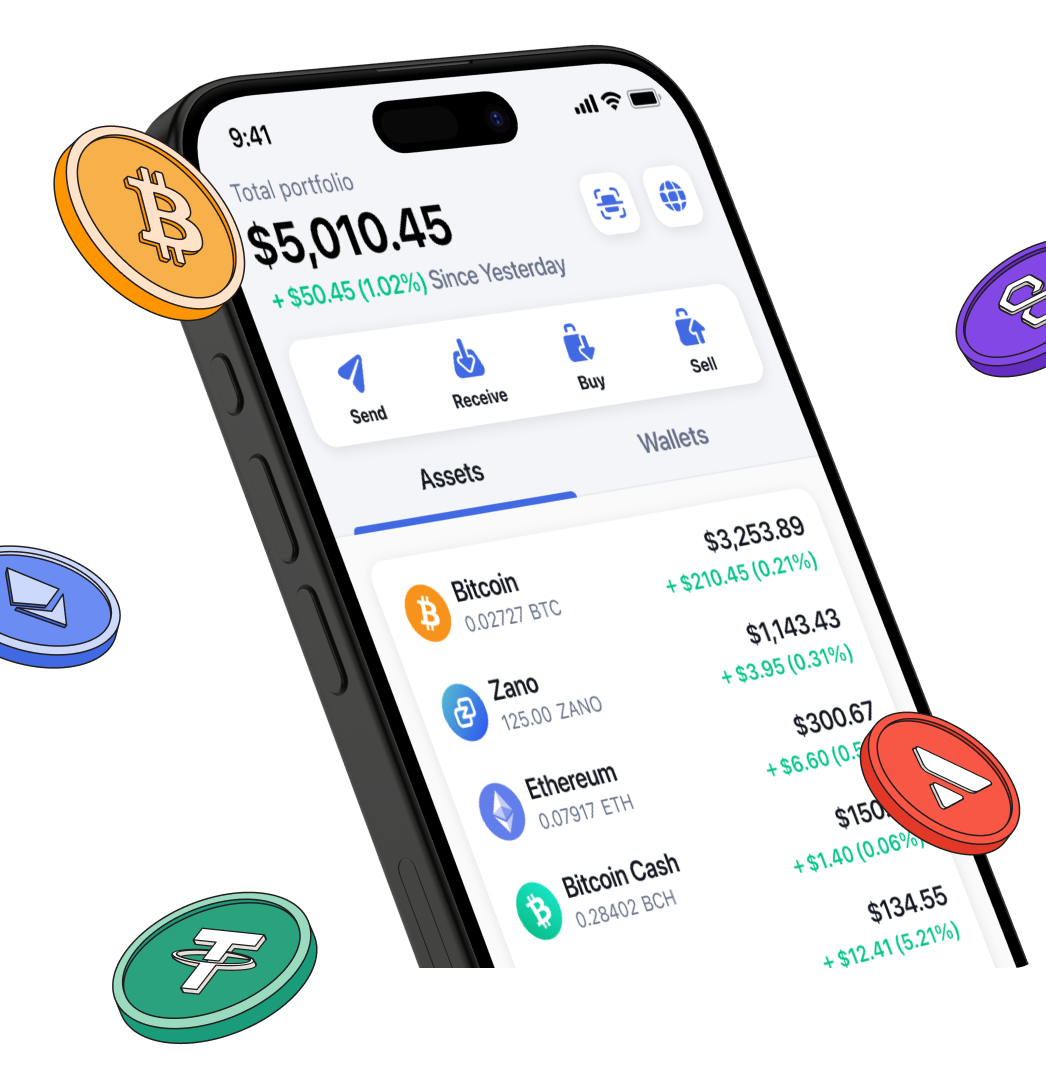
Download the Bitcoin.com Wallet App to manage your crypto and trade directly from your phone - no custodians, no middlemen.
And if you’re looking for more advanced tools, check out our pro-trading experience at orangerock.xyz.
관련 가이드
여기에서 시작 →
비트코인이란 무엇인가요?
비트코인에 대한 간단한 소개와 그 중요성에 대해 알아보세요.
비트코인이란 무엇인가요?
비트코인에 대한 간단한 소개와 그 중요성에 대해 알아보세요.

알트코인이란 무엇입니까?
알트코인은 비트코인 외의 암호화폐입니다. 그들의 다양한 기능, 사용 사례, 위험 및 잠재력에 대해 알아보세요.
알트코인이란 무엇입니까?
알트코인은 비트코인 외의 암호화폐입니다. 그들의 다양한 기능, 사용 사례, 위험 및 잠재력에 대해 알아보세요.
CEX란 무엇인가요?
CEX와 DEX의 차이점 및 안전성 여부에 대해 알아보세요.
CEX란 무엇인가요?
CEX와 DEX의 차이점 및 안전성 여부에 대해 알아보세요.
DEX란 무엇인가요?
탈중앙화 거래소(DEX)는 암호화폐와 디지털 자산의 개인 간 거래를 전문으로 하는 거래소 유형입니다. 중앙화 거래소(CEX)와 달리, DEX는 암호 자산의 교환을 중개하는 신뢰할 수 있는 제3자나 중개인이 필요하지 않습니다.
DEX란 무엇인가요?
탈중앙화 거래소(DEX)는 암호화폐와 디지털 자산의 개인 간 거래를 전문으로 하는 거래소 유형입니다. 중앙화 거래소(CEX)와 달리, DEX는 암호 자산의 교환을 중개하는 신뢰할 수 있는 제3자나 중개인이 필요하지 않습니다.
암호화폐 거래소는 어떻게 작동하나요?
중앙화된 거래소에 암호화폐를 보관하는 것은 얼마나 안전한가요?
암호화폐 거래소는 어떻게 작동하나요?
중앙화된 거래소에 암호화폐를 보관하는 것은 얼마나 안전한가요?
비트코인 차트 읽기 초보자 가이드
비트코인 차트를 이해하기 위한 초보자 가이드: 캔들스틱 패턴, 기술 지표, 시장 분석 및 리스크 관리 포함.
비트코인 차트 읽기 초보자 가이드
비트코인 차트를 이해하기 위한 초보자 가이드: 캔들스틱 패턴, 기술 지표, 시장 분석 및 리스크 관리 포함.
비트코인 초보자를 위한 거래
초보자를 위한 비트코인 거래에 대한 종합 가이드로, 지갑, 거래소, 시장 분석 및 리스크 관리 전략을 다룹니다.
비트코인 초보자를 위한 거래
초보자를 위한 비트코인 거래에 대한 종합 가이드로, 지갑, 거래소, 시장 분석 및 리스크 관리 전략을 다룹니다.

암호화폐에서 앞서 나가세요
우리의 주간 뉴스레터로 가장 중요한 통찰력을 제공받아 암호화폐에서 앞서 나가세요.

매주 당신을 위한 암호화폐 뉴스 큐레이션

실행 가능한 인사이트와 교육적인 팁

경제적 자유를 촉진하는 제품에 대한 업데이트
스팸 없음. 언제든지 구독 취소 가능합니다.
비트코인닷컴 지갑으로 안전하게 투자 시작하세요.
지금까지 개의 지갑이 생성되었습니다.
비트코인 및 암호화폐를 안전하게 구매, 판매, 거래 및 투자하는 데 필요한 모든 것




 Get Bitcoin