
What is Ethereal DEX? A Comprehensive Guide
Last updated
Written by

Reviewed by


Table of Contents
Ethereal is a USDe-native decentralized exchange (DEX) built as a Layer-3 appchain, designed to deliver CEX-level speed while expanding into a full DeFi money ecosystem around the USDe synthetic dollar.
Overview
Ethereal occupies a unique position among modern DEXs. While many platforms specialize narrowly in perpetual futures or spot markets, Ethereal aims to become a comprehensive “DeFi everything app” anchored to USDe, Ethena’s synthetic, delta-neutral stable asset.
Its initial offering focuses on high-performance perpetual futures trading, but the long-term roadmap includes spot markets, money markets, real-world asset integrations, and additional DeFi products. All core functions revolve around USDe, which serves as the primary settlement and collateral asset.
Trading on Ethereal is processed through an application-specific sequencer capable of extremely low latency and high throughput, while the underlying chain uses Arbitrum for settlement and Celestia for data availability. This modular approach enables fast execution without sacrificing the security guarantees provided by Ethereum’s broader ecosystem.
How Ethereal Works
Ethereal operates as an EVM-compatible application chain that sits above a modular stack of L2 and data-availability layers. Execution, order matching, collateral management, and liquidation logic run inside Ethereal’s dedicated sequencer, enabling the low-latency environment necessary for perpetual futures.
Execution and Settlement Flow
-
Execution:
User orders are routed to Ethereal’s custom sequencer. This component handles matching, orderbook updates, and risk checks at speeds comparable to centralized exchanges. -
Settlement:
Final trade settlement is recorded on Arbitrum One, ensuring compatibility with Ethereum security. -
Data Availability:
Trade data and batch proofs rely on Celestia, providing scalable and cost-efficient data availability. -
Collateral and Margin:
USDe is the foundational margin asset. It may earn yield while used as collateral, depending on the configuration of Ethena’s reward mechanism.
This architecture allows Ethereal to deliver sub-20 ms execution times while maintaining on-chain verifiability and composability with the Ethena ecosystem.
The Ethereal Chain (Layer-3 Appchain)
Ethereal’s chain is purpose-built for DeFi trading. Its design provides customization that general-purpose Layer-2 networks cannot support.
Core Components
- Arbitrum Execution Environment: EVM-compatible and optimized for DeFi workflows.
- Arbitrum One Settlement: Ensures Ethereum-aligned security and compatibility with L2 infrastructure.
- Celestia Data Availability: A modular DA layer supporting scalable throughput for high-volume trading.
- Application-Specific Sequencer: Enables real-time order matching and advanced trading logic.
This architecture enables Ethereal to function as a performant trading engine while inheriting cryptoeconomic security from the wider Ethereum stack.
Key Features
Ethereal is designed to integrate several advanced trading and DeFi capabilities into a single USDe-centric platform.
Perpetual Futures
The initial product release centers on perpetual futures trading with:
- Fast execution and institutional-grade latency
- Deep liquidity through USDe-based collateral flows
- A reward-bearing margin model powered by Ethena’s yield mechanisms
Perpetual markets are expected to support:
- Isolated and cross-margin
- Portfolio margining
- Advanced order types
- Funding rate mechanisms based on USDe-denominated pairs
Expanding DeFi Product Line
Ethereal’s broader vision includes:
- Spot markets with USDe settlement
- Money markets for borrowing and lending
- Real-world asset (RWA) integrations
- Additional DeFi primitives that leverage USDe as a core settlement layer
These expansions are intended to position Ethereal as the central financial hub of the Ethena ecosystem.
Token Model and Incentives
At the time of writing, Ethereal does not yet have a publicly traded token. However, governance discussions and early program structures provide insight into future tokenization.
Expected Token Elements
- A future governance token is planned, based on community and governance documents.
- 15% of the token supply is earmarked for ENA (Ethena) stakers, aligning ecosystem incentives.
- Early users participating in the “Season Zero” program earn Ethereal Points, which may convert to governance rights or token allocations once the token is live.
The platform’s incentive design ties closely to the growth of USDe, since liquidity and margin depth depend on the stable asset’s adoption.
Security Model
Ethereal’s security relies on a multi-layered approach combining its appchain architecture with the security properties of Ethereum and Arbitrum.
Security Considerations
- On-chain settlement: Ensures transparency and custody integrity.
- Modular DA and L2 layers: Reduce risk by relying on established cryptoeconomic systems.
- Smart contract risk: As with any DeFi system, exposure depends on contract maturity and public audits.
- Sequencer centralization: The appchain sequencer is centralized during early stages, introducing trust assumptions.
Users should carefully review audits, contract addresses, and the platform’s decentralization roadmap before engaging with high-leverage trading.
Strengths and Risks
Ethereal offers a powerful trading experience but also carries risks common to new modular-DeFi architectures.
Strengths
- High-speed execution comparable to centralized exchanges
- Deep alignment with the fast-growing USDe and Ethena ecosystem
- Modular architecture that supports scaling and custom logic
- Yield-bearing USDe margin creates efficiency advantages over USDC/USDT-based DEXs
- Roadmap expands well beyond perpetuals into a full DeFi financial stack
Risks
- The system’s performance claims remain in early-stage validation
- Dependencies on Ethena’s delta-neutral hedging model introduce external risk
- Sequencer centralization creates a temporary trust requirement
- The token model has not fully launched or been finalized
- Regulatory considerations apply due to the platform’s support for derivative products
Conclusion
Ethereal represents an ambitious attempt to merge the execution quality of centralized exchanges with the transparency and self-custody of decentralized finance. By centering its design around USDe and adopting a purpose-built Layer-3 architecture, it aims to evolve into a complete DeFi money platform rather than a conventional perp DEX.
Its combination of low-latency trading, yield-bearing collateral, and modular infrastructure positions it as a notable entrant in the next generation of DeFi trading platforms. However, as a young protocol with a complex architecture and ecosystem dependencies, users should carefully evaluate its maturity, security audits, and risk profile before engaging deeply with leveraged products.
FAQ
What is Ethereal?
Ethereal is a decentralized exchange built as a Layer-3 appchain on Arbitrum and Celestia, offering high-performance perpetual futures and a growing suite of DeFi products centered around USDe.
Is Ethereal only a perp DEX?
No. While its initial launch focuses on perpetual futures, the long-term roadmap includes spot trading, money markets, RWA integrations, and additional DeFi applications.
Why does Ethereal use USDe?
USDe is Ethena’s synthetic, delta-neutral dollar. Its stability and yield qualities allow Ethereal to offer reward-bearing margin and USDe-denominated trading across multiple product lines.
Does Ethereal have a token?
Not yet. Governance documents indicate a future token with 15% of its supply allocated to ENA stakers. Early users earn Ethereal Points that may convert to token rights.
How fast is Ethereal?
Ethereal’s custom sequencer targets sub-20 ms order execution and extremely high throughput, similar to centralized exchanges, while settling trades on-chain.
Is Ethereal secure?
Ethereal relies on Arbitrum settlement, Celestia data availability, and Ethereum-aligned security. However, users should consider smart contract risk and the centralized sequencer during early phases.
Can I use Ethereal with the Bitcoin.com Wallet?
Yes. The Bitcoin.com Wallet supports connecting to Web3 dApps, allowing you to interact with platforms like Ethereal while maintaining full self-custody.
Looking for professional-grade tools with self-custody?
Try Orange Rock, built for traders who demand speed, precision, and control.
Related guides
Start from here →
Understanding Perpetual DEXs in 2026
Discover how decentralized perpetual exchanges (Perp DEXs) enable on-chain leverage, self-custody, and 24/7 global trading - all powered by smart contracts.
Understanding Perpetual DEXs in 2026
Discover how decentralized perpetual exchanges (Perp DEXs) enable on-chain leverage, self-custody, and 24/7 global trading - all powered by smart contracts.
Inside Perpetual Futures on Decentralized Exchanges
A complete breakdown of how perpetual futures operate on decentralized exchanges - covering smart contract mechanics, margin systems, and funding rate dynamics.
Inside Perpetual Futures on Decentralized Exchanges
A complete breakdown of how perpetual futures operate on decentralized exchanges - covering smart contract mechanics, margin systems, and funding rate dynamics.
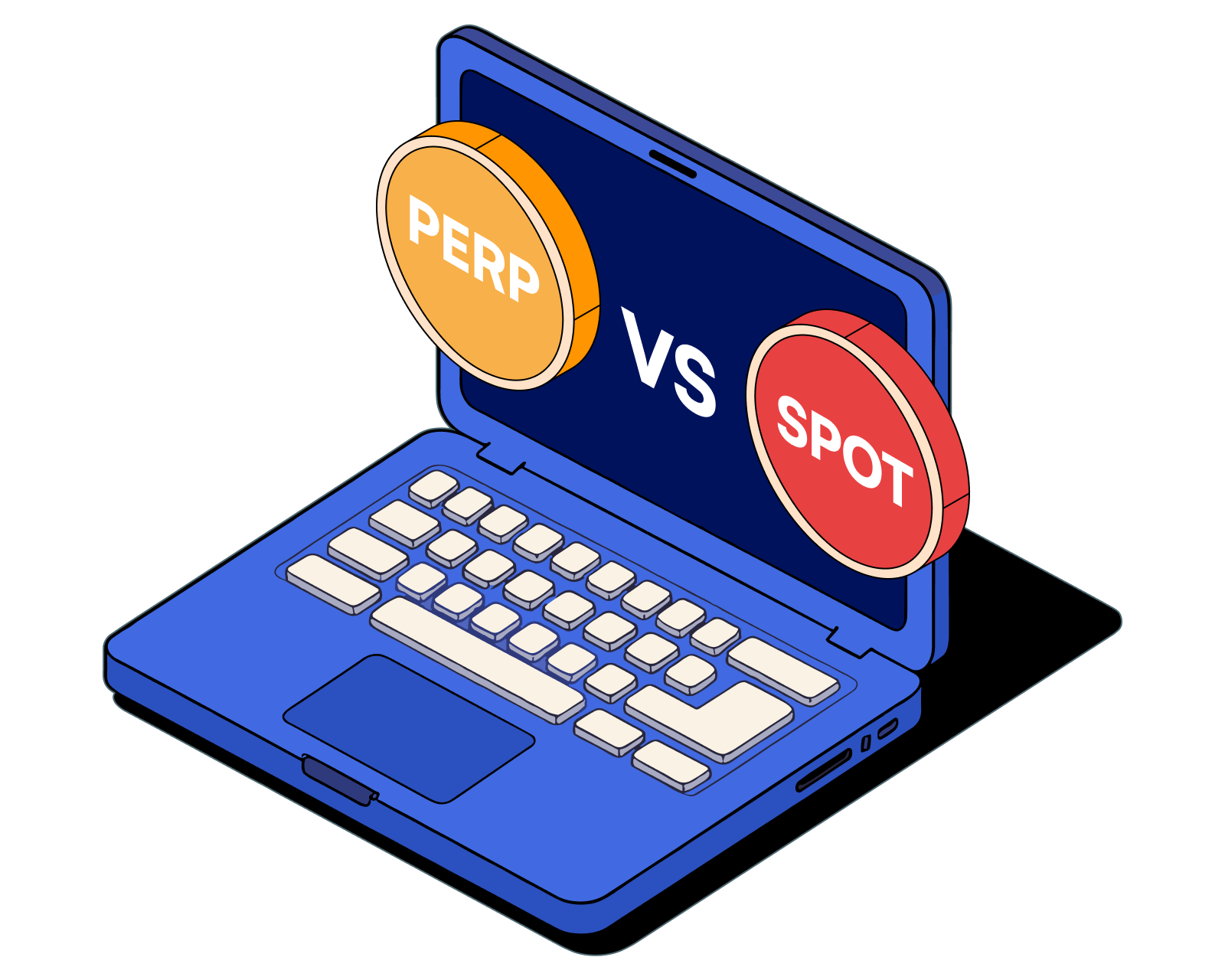
Perp DEX vs. Spot DEX Explained
Learn how Spot and Perpetual DEXs differ in purpose, mechanics, and risk. Discover which decentralized exchange model fits your trading goals in 2026.
Perp DEX vs. Spot DEX Explained
Learn how Spot and Perpetual DEXs differ in purpose, mechanics, and risk. Discover which decentralized exchange model fits your trading goals in 2026.

Understanding Funding Rates on Perp DEXs
Explore how smart contracts use funding rates to stabilize perpetual futures. Learn how payments between longs and shorts keep prices in balance.
Understanding Funding Rates on Perp DEXs
Explore how smart contracts use funding rates to stabilize perpetual futures. Learn how payments between longs and shorts keep prices in balance.
Understanding Leverage in Crypto Trading
Discover how crypto leverage works - from margin and collateral to liquidation and funding. Learn how Perp DEXs manage leveraged positions transparently.
Understanding Leverage in Crypto Trading
Discover how crypto leverage works - from margin and collateral to liquidation and funding. Learn how Perp DEXs manage leveraged positions transparently.
How Liquidation Works on Perp DEXs
Discover how Perp DEXs automatically close leveraged positions to prevent losses. Learn how liquidation thresholds, oracles, and insurance funds protect users.
How Liquidation Works on Perp DEXs
Discover how Perp DEXs automatically close leveraged positions to prevent losses. Learn how liquidation thresholds, oracles, and insurance funds protect users.
How Oracles Keep Perp DEX Prices Fair
Explore how oracle networks deliver real-time market data to Perp DEXs, ensuring accurate pricing, fair liquidations, and stable funding rates.
How Oracles Keep Perp DEX Prices Fair
Explore how oracle networks deliver real-time market data to Perp DEXs, ensuring accurate pricing, fair liquidations, and stable funding rates.

Top Risks of Trading on Perpetual DEXs
Learn about the biggest risks in decentralized perpetual trading, including liquidation, funding volatility, oracles, liquidity, and smart contract exploits.
Top Risks of Trading on Perpetual DEXs
Learn about the biggest risks in decentralized perpetual trading, including liquidation, funding volatility, oracles, liquidity, and smart contract exploits.

Choosing the Right Perp DEX in 2026
A practical guide to finding the best Perpetual DEX for your needs - covering security, liquidity, fees, oracles, leverage, and governance.
Choosing the Right Perp DEX in 2026
A practical guide to finding the best Perpetual DEX for your needs - covering security, liquidity, fees, oracles, leverage, and governance.

STAY AHEAD IN CRYPTO
Stay ahead in crypto with our weekly newsletter delivering the insights that matter most

Weekly crypto news, curated for you

Actionable insights and educational tips

Updates on products fueling economic freedom
No spam. Unsubscribe anytime.
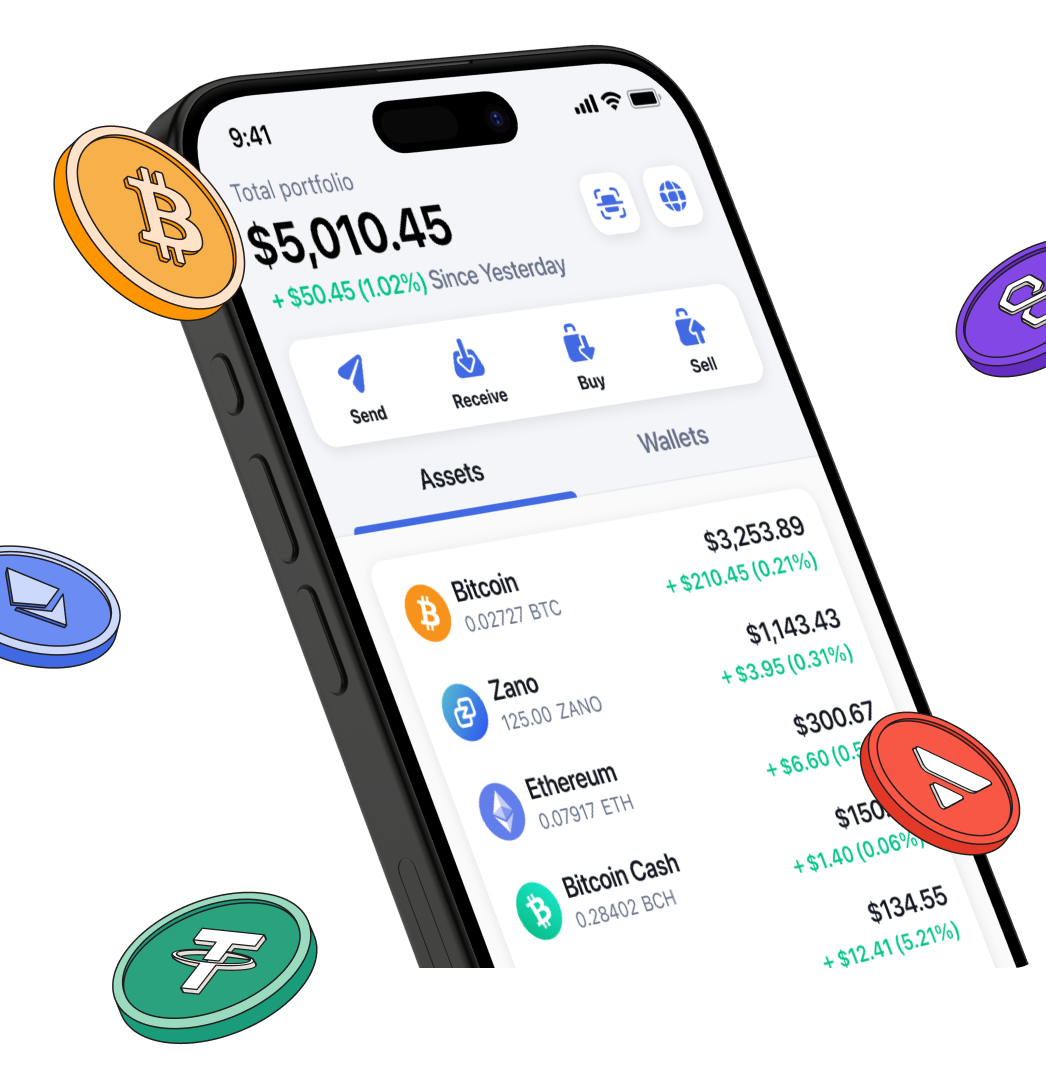
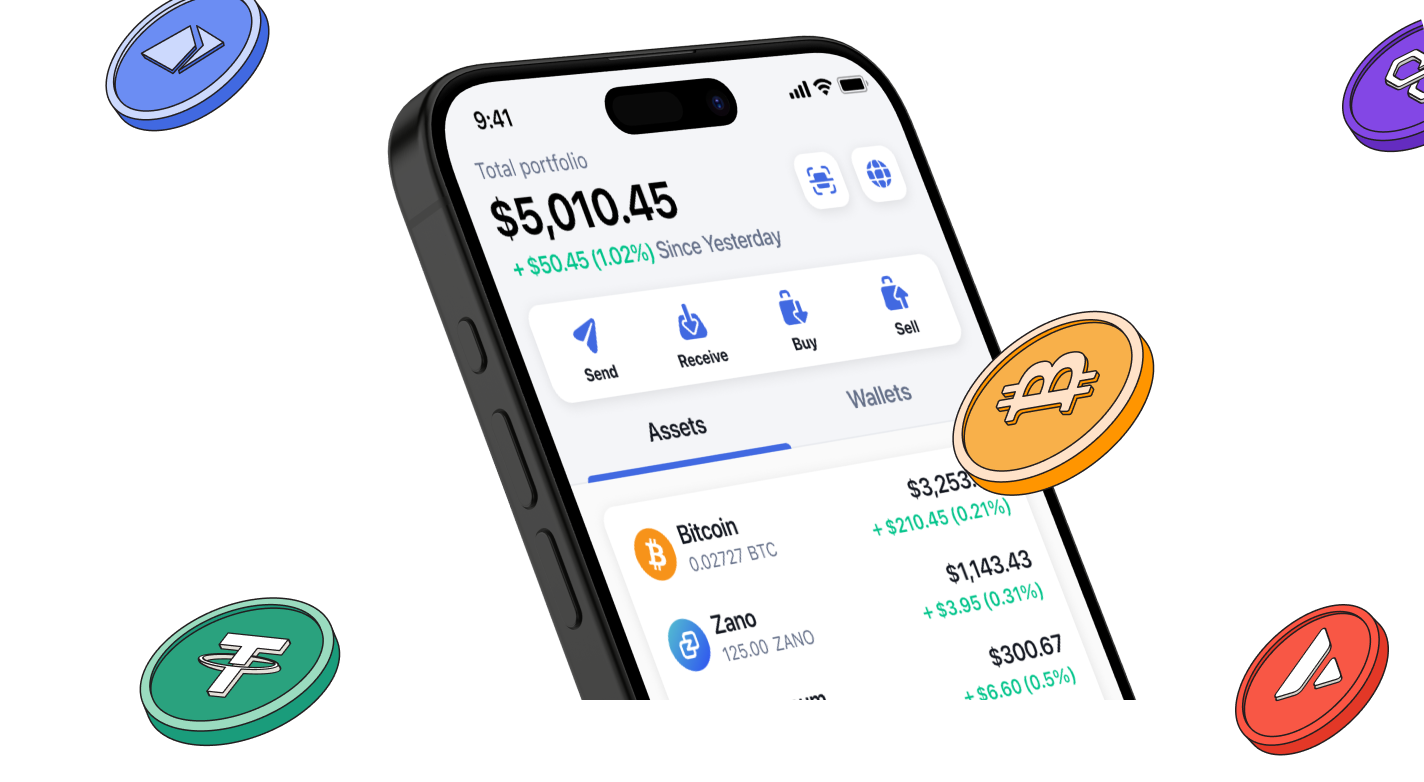
Start investing safely with the Bitcoin.com Wallet
Over wallets created so far
Everything you need to buy, sell, trade, and invest your Bitcoin and cryptocurrency securely



Download App


© 2026 Saint Bitts LLC Bitcoin.com. All rights reserved
Download App
Company
Insights
Products & Services
Reviews
Follow
© 2026 Saint Bitts LLC Bitcoin.com. All rights reserved
 Get Bitcoin