
Bitcoin Hard Fork: A Comprehensive Guide
Last updated
Written by

Reviewed by

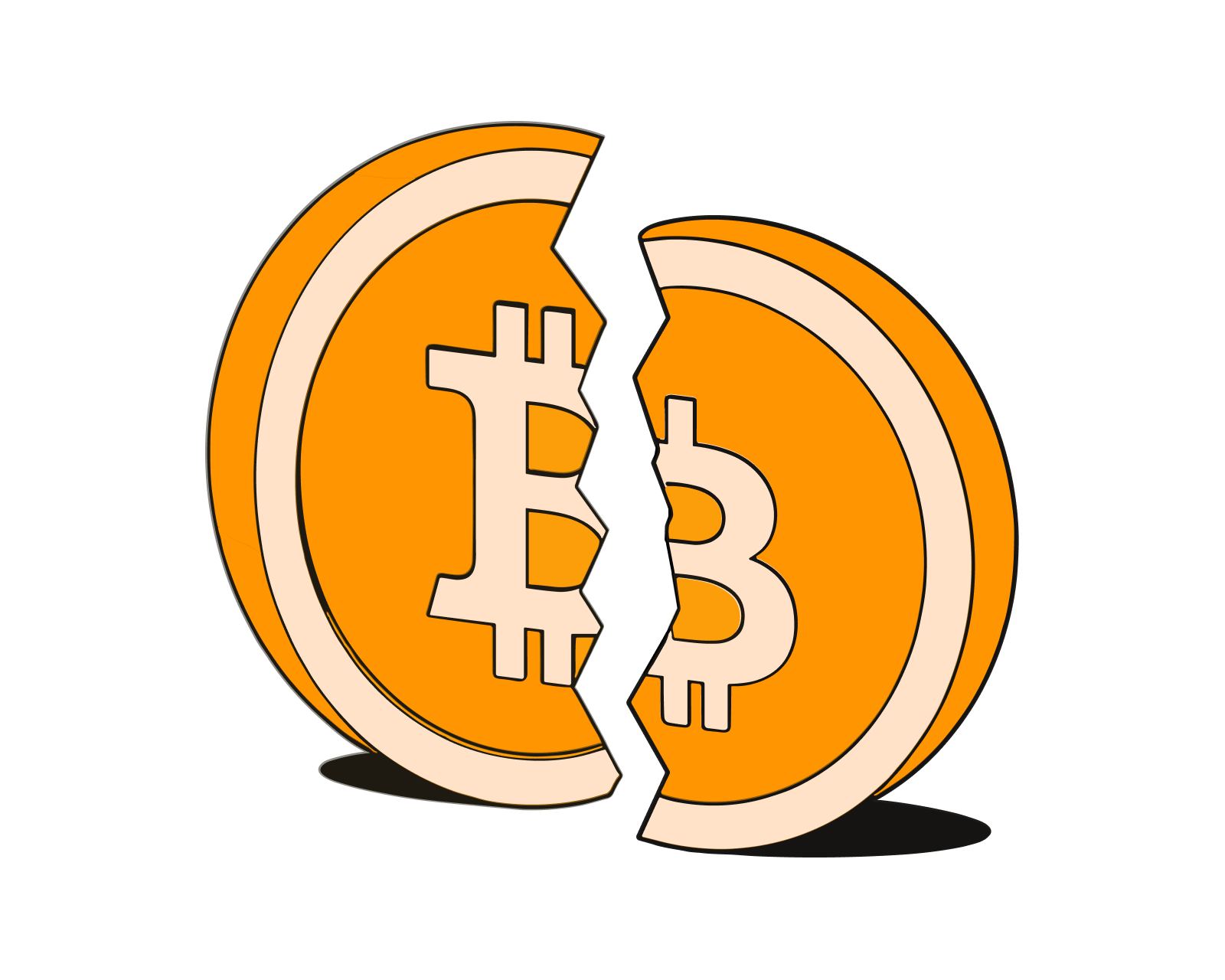
Table of Contents
Bitcoin Hard Forks: Understanding the Splits
A Bitcoin hard fork creates a permanent divergence in the Bitcoin blockchain, resulting in two separate and independent chains, each following different rules. This article explores what hard forks are, why they happen, their implications, and notable examples like Bitcoin Cash.
What is a Hard Fork?
A hard fork is a radical change to a blockchain's protocol that creates incompatibility between the old and new versions. This split results in two separate blockchains, each with its own set of rules and often its own cryptocurrency. In simpler terms, a hard fork is like a major software update that's not compatible with older versions.
Soft Forks vs. Hard Forks
It's important to distinguish between hard forks and soft forks:
- Soft Fork: A soft fork is a backward-compatible change. Nodes running older software can still participate in the network, even if they don't upgrade. Think of it as an optional update.
- Hard Fork: A hard fork, on the other hand, requires all nodes to upgrade. If you don't upgrade, you're on a different chain. It's like choosing a different path altogether.
Why Do Hard Forks Happen?
Hard forks occur due to disagreements within the Bitcoin community about its future direction. These disagreements can stem from various factors:
- Scalability: How to handle more transactions as Bitcoin grows, including the role of Bitcoin's scalability solutions and second-layer technologies like the Lightning Network that help increase transaction throughput and reduce fees.
- Security: Fixing vulnerabilities or improving security measures. Learn about Bitcoin security best practices.
- New Features: Adding new functions, like smart contracts. The Taproot upgrade, for example, paved the way for more complex smart contracts on Bitcoin.
- Ideological Differences: Diverging views on Bitcoin’s purpose, rooted in its monetary philosophy and long-term vision that trace back to the ideas discussed during the Bitcoin revolution.
When these disagreements can’t be resolved, a hard fork can split the community and create two separate chains, reflecting deeper debates within Bitcoin's governance process over protocol changes and network direction.
Implications of a Hard Fork
Hard forks have several important consequences:
- New Cryptocurrency: A new coin is often created. If you held Bitcoin before the fork, you usually get an equal amount of the new coin.
- Price Changes: Prices of both coins can be affected, often increasing short-term volatility as markets react to uncertainty and shifting investor sentiment.
- Community Split: The Bitcoin community can divide, supporting different chains.
- Confusion: Hard forks can be confusing, especially for new users.
Bitcoin Cash and Other Notable Forks
Bitcoin Cash (BCH) is a famous example of a Bitcoin hard fork. It happened in 2017 because of disagreements about how to make Bitcoin handle more transactions. Bitcoin Cash made the "blocks" of transactions bigger, aiming for faster and cheaper transactions. Other notable forks include Bitcoin Gold (BTG) and Bitcoin SV (BSV).
The Future of Bitcoin Hard Forks
Hard forks are one mechanism through which decentralized networks evolve, particularly when proposed protocol changes cannot reach broad consensus. While Bitcoin is intentionally conservative in its development approach, future hard forks remain possible if disagreements arise over scaling, security, or functionality.
At the same time, much of Bitcoin’s innovation now occurs without altering the base layer. Technologies such as sidechains allow experimentation with new features while remaining connected to the main network, and various layer-2 solutions aim to improve scalability and transaction efficiency without requiring disruptive protocol splits. New use cases have also emerged directly on the network, including digital inscriptions enabled through Bitcoin Ordinals, which expand how Bitcoin’s block space can be utilized.
Together, these approaches reflect Bitcoin’s broader development philosophy: stability at the core protocol, innovation at the ecosystem level.
Conclusion
Bitcoin hard forks are rare but consequential events that reveal how decentralized governance works in practice. While protocol splits can reshape the ecosystem, Bitcoin’s long-term development increasingly favors layered scaling and optional experimentation over disruptive base-layer changes. Understanding this balance helps clarify how Bitcoin evolves while preserving its core design principles.
Related guides
Start from here →
What is Bitcoin?
Get a straightforward introduction to Bitcoin and why it matters.
What is Bitcoin?
Get a straightforward introduction to Bitcoin and why it matters.
How do bitcoin transactions work?
Understand how the Bitcoin public blockchain tracks ownership over time. Get clarity on key terms like public & private keys, transaction inputs & outputs, confirmation times, and more.
How do bitcoin transactions work?
Understand how the Bitcoin public blockchain tracks ownership over time. Get clarity on key terms like public & private keys, transaction inputs & outputs, confirmation times, and more.

What is Bitcoin governance?
How does the network operate and decide on critical issues?
What is Bitcoin governance?
How does the network operate and decide on critical issues?
What are sidechains?
Learn about the different types of sidechains, their advantages and disadvantages, and what they're used for. Get the essentials on key sidechain projects.
What are sidechains?
Learn about the different types of sidechains, their advantages and disadvantages, and what they're used for. Get the essentials on key sidechain projects.

What are Bitcoin Layer-2 solutions?
Learn about Bitcoin Layer-2 solutions and how they may enable Bitcoin to scale.
What are Bitcoin Layer-2 solutions?
Learn about Bitcoin Layer-2 solutions and how they may enable Bitcoin to scale.
What is a Blockchain?
This beginner's guide explains blockchain, its importance in cryptocurrencies, and how it works. Explore its uses, advantages, and future potential.
What is a Blockchain?
This beginner's guide explains blockchain, its importance in cryptocurrencies, and how it works. Explore its uses, advantages, and future potential.

STAY AHEAD IN CRYPTO
Stay ahead in crypto with our weekly newsletter delivering the insights that matter most

Weekly crypto news, curated for you

Actionable insights and educational tips

Updates on products fueling economic freedom
No spam. Unsubscribe anytime.
Start investing safely with the Bitcoin.com Wallet
Over wallets created so far
Everything you need to buy, sell, trade, and invest your Bitcoin and cryptocurrency securely



Download App


© 2026 Saint Bitts LLC Bitcoin.com. All rights reserved
Download App
Company
Insights
Products & Services
Reviews
Follow
© 2026 Saint Bitts LLC Bitcoin.com. All rights reserved
 Get Bitcoin