


Market Updates
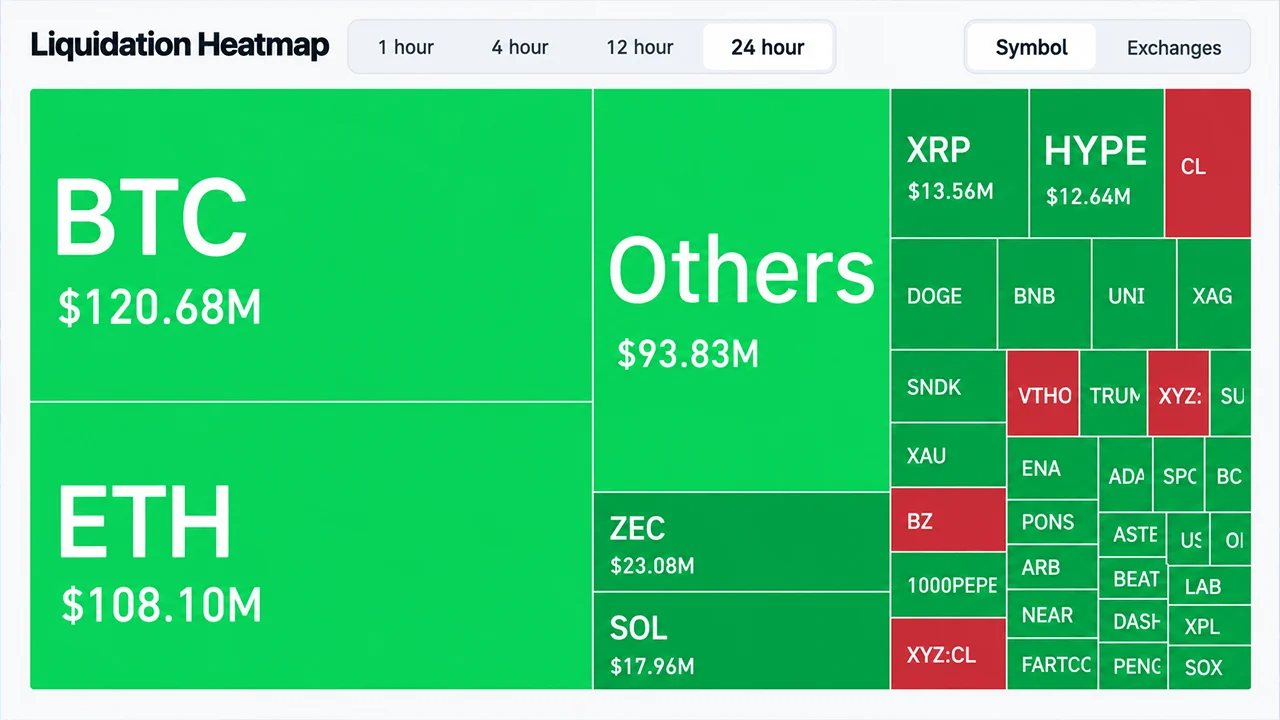
$562M Liquidation Surge Hits Crypto Market After PPI Inflation Jump
受美国强劲的PPI数据推动,市场对美联储加息的担忧加剧,导致比特币跌破7.7万美元,引发了5.62亿美元的加密货币强制平仓。


使用信用卡、银行账户或支付应用,快速轻松地购买 ETH 和其他精选加密货币。
Other popular cryptocurrencies to buy
我们让您轻松体验货币的未来


1.获取免费钱包
下载 Bitcoin.com 钱包移动应用或创建一个账户,即可在任何设备上访问你的加密货币。
.svg?v=1785350642344)
2.验证您的身份
大多数购买都需要身份验证。我们让这个过程变得简单。

3.付款
使用信用卡、支付应用程序或银行账户支付 ETH

4.追踪您的订单
在线监控您的ETH订单状态-直到它落入您的钱包

5.享受你的自由
使用您的 Bitcoin.com 钱包消费、交易、管理和保护您的 ETH
几分钟内即可购买并送达,直接存入只有您才能控制的钱包中。
Choose a wallet you control as the destination and receive your ETH there after the purchase is processed.
Debit card, credit card or bank transfer, depending on what is available where you are.
Your payment is processed by the payment provider shown during checkout. Review the provider, payment method and final quote before confirming.
Manage your ETH after the purchase: move it, swap it for other assets, or sell it back to fiat.
Hold ETH alongside BTC, BCH and other leading cryptocurrencies and networks in a single app.
Use the Bitcoin.com Wallet app on mobile, or a Bitcoin.com account to reach your crypto from any device.
Key numbers to understand before you buy ETH.

ETH divides down to 18 decimal places, so you can buy a fraction rather than a whole one.
Ethereum produces a new block roughly every 12 seconds, which is how often a broadcast transaction can be included.
Once the ETH is in a wallet you control, it's yours to hold or use.

Keep ETH in a wallet you control, secured by a recovery phrase only you hold.

Move ETH to any compatible Ethereum address at any time, without asking a provider for permission.

On Ethereum mainnet, transaction fees are normally paid in ETH, including when you move ERC-20 tokens.

Connect a self-custody wallet to Ethereum applications for trading, lending and other on-chain activity.
ETH can be staked to help secure the network. The risks and withdrawal conditions depend on how you stake.

Exchange ETH for other supported cryptocurrencies, or sell it back to your local currency when you choose to.
Buying Ethereum online comes down to how you pay, where you buy, and which wallet and network the ETH is delivered to. The payment methods available to you, and what each costs, are shown by the provider before you confirm. For a full comparison of buying routes across crypto generally, including exchanges and peer-to-peer marketplaces, see the guide to buying crypto. What follows covers the parts that are specific to Ethereum.
ETH is the native asset of Ethereum mainnet, and it is also represented on other networks, including Ethereum layer-2 networks. When you buy, the ETH is delivered on a specific network, and the receiving Ethereum wallet has to support that network for the balance to appear and be usable.
This is easy to get wrong because Ethereum and EVM-compatible networks share the same address format, beginning with 0x. An address can look correct and still belong to a network your wallet does not support. Check which network the purchase is being delivered on, and that your wallet supports it, before you confirm.
Sending ETH using an unsupported address or network can make the funds difficult or impossible to recover.
Gas is the mechanism Ethereum uses to price computation and transaction execution. Users pay transaction fees in ETH based on the gas used and the network's fee conditions, so the same action can cost more when the network is busier.
This matters after the purchase as well as during delivery. Any later transaction from your wallet needs ETH available to cover the fee, including moving tokens that live on Ethereum. Keeping a small ETH balance for fees is a practical consideration if you intend to use the wallet rather than only hold.
ETH is Ethereum's native asset. ERC-20 tokens are separate tokens issued on Ethereum by other projects, following a common standard. Buying an ERC-20 token is not the same as buying ETH, even though both are held in the same wallet and use the same address.
On Ethereum mainnet, transaction fees are normally paid in ETH. That is why a wallet holding only ERC-20 tokens, with no ETH, can be unable to move them.
Once ETH is in a wallet you control, it can be used as well as held. In practice that means you can:
When ETH is delivered to a self-custody Ethereum wallet, you control the recovery credentials and can hold, send or use it on-chain without asking a provider to release it first. If you buy on a centralized exchange, or through some payment apps, the ETH may initially stay in an account that the provider controls until you withdraw it.
That distinction matters more for ETH than for assets you only intend to hold. Custodial balances generally cannot be connected to Ethereum applications, so taking self-custody is a prerequisite for using ETH on-chain.
Self-custody puts backup and key management on you, while custodial holding makes you dependent on the provider. The guide to buying crypto sets out the full comparison.
Identity verification may be required when buying ETH with fiat currency. What is required depends on the payment provider, the transaction, the payment method and your location, and the provider tells you during the purchase what it needs. Verification requirements are covered in more depth in our guide to buying crypto.
Beyond the processing fee shown at checkout, the cost of buying ETH includes the spread built into the quoted rate and any Ethereum network costs when the ETH is delivered or later moved. If you buy on an exchange and withdraw afterwards, a withdrawal fee may apply as well. The final amount of ETH you receive is the most useful comparison, because it reflects the quoted rate and the costs included in the purchase.
Buying on an exchange works for ETH as it does for any asset: the ETH stays in the exchange's custody until you withdraw it. The Ethereum-specific part is the withdrawal. Exchanges often let you withdraw ETH over more than one network, so select the network your receiving wallet supports, check the address, and expect a withdrawal fee on top of any network cost.
受美国强劲的PPI数据推动,市场对美联储加息的担忧加剧,导致比特币跌破7.7万美元,引发了5.62亿美元的加密货币强制平仓。

比特币价格维持在78,000美元附近,投资者更关注即将公布的PPI和CPI数据,而非唐纳德·特朗普提出的5,000美元分红支票。
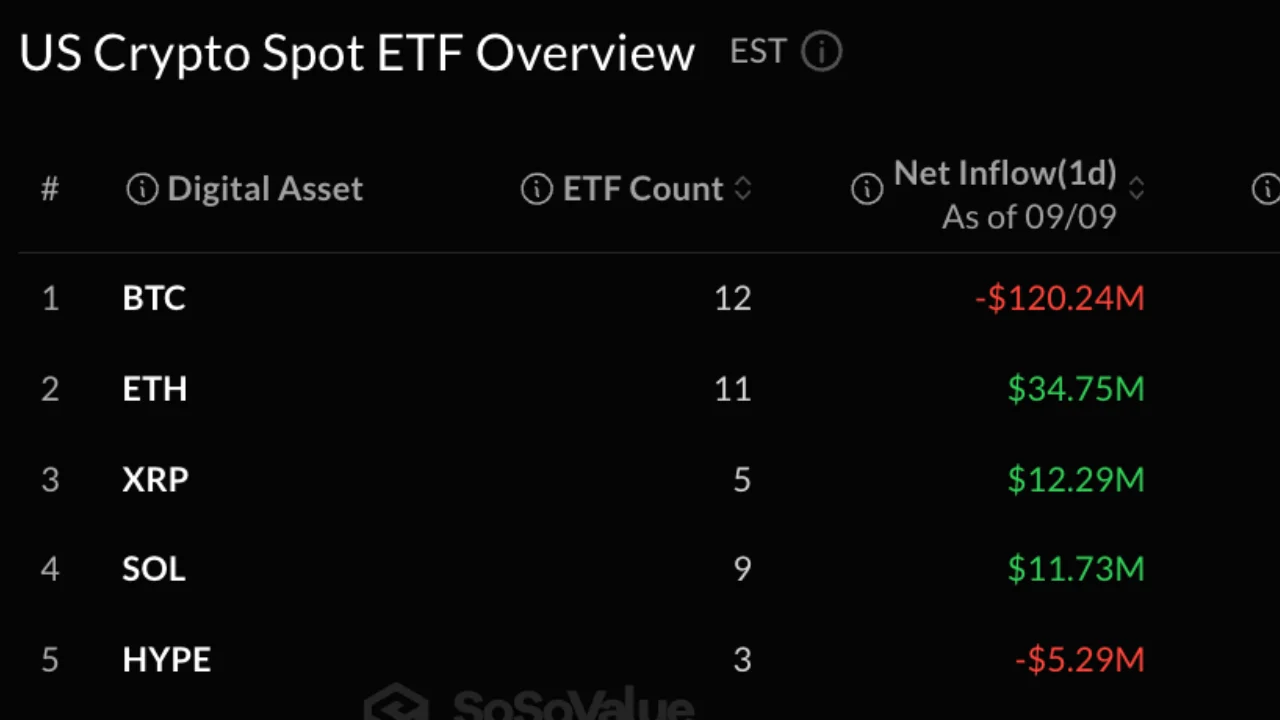
周三,美国比特币ETF出现1.2024亿美元的净赎回,连续第二个交易日出现资金流出。
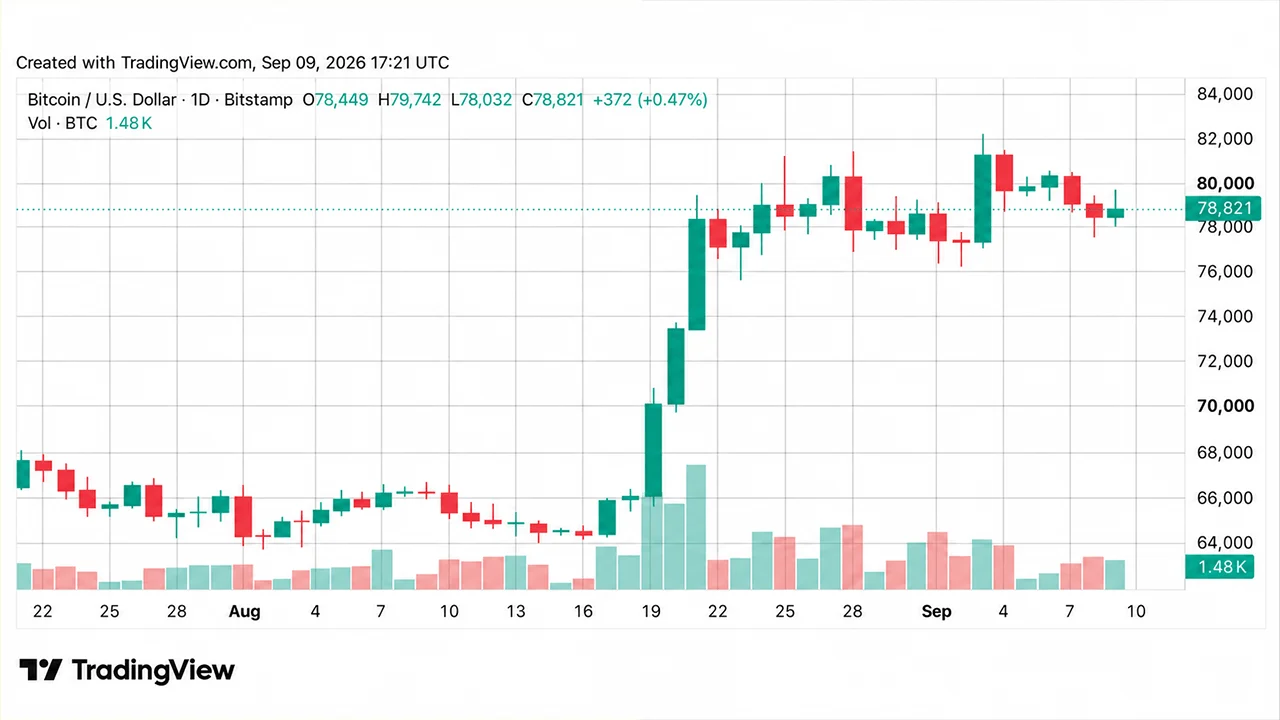
在美国财政部回购60亿美元国债的背景下,比特币价格在79,600美元附近波动,受中东局势紧张导致债券收益率上升影响,加密货币市场出现2.23亿美元的强制平仓。