Karamihan sa mga pagbili ay nangangailangan ng beripikasyon ng pagkakakilanlan. Pinapadali namin ang proseso.
3. Magbayad
Bayaran ang iyong Bitcoin gamit ang credit card, app sa pagbabayad, o sa pamamagitan ng bank account.
4. Subaybayan ang iyong order
Subaybayan ang katayuan ng iyong Bitcoin order online – hanggang sa makarating ito sa iyong wallet.
5. Masiyahan ka sa iyong kalayaan
Gastusin, ipagpalit, pamahalaan, at paniguraduhin ang iyong Bitcoin gamit ang iyong Bitcoin.com Wallet.
Bakit bumili ng Bitcoin sa Bitcoin.com?
Binuksan at naihatid sa loob ng ilang minuto, sa pitakang ikaw lamang ang may kontrol.
Buy and receive in one flow
Choose a wallet you control as the destination and receive your BTC there after the purchase is processed.
Payment methods that suit you
Debit card, credit card or bank transfer, depending on what is available where you are.
Secure payment processing
Your payment is processed by the payment provider shown during checkout. Review the provider, payment method and final quote before confirming.
Send, receive, spend and sell
Manage your BTC after the purchase: move it, spend it, swap it for other assets, or sell it back to fiat.
One multichain wallet
Hold BTC alongside ETH, BCH and other leading cryptocurrencies and networks in a single app.
Wallet app or web account
Use the Bitcoin.com Wallet app on mobile, or a Bitcoin.com account to reach your crypto from any device.
Ano ang Bitcoin (BTC)?
Key numbers to understand before you buy BTC.
21 Million Bitcoin
Bitcoin's issuance rules cap the total supply at 21 million BTC. No more than that can ever be created.
Satoshis in 1 BTC
100 million
You don't need to buy 1 BTC. Bitcoin can be divided into 100 million smaller units called satoshis.
What can you do with Bitcoin after buying it?
Once the BTC is in a wallet you control, it's yours to hold or use.
Hold it
Keep BTC in a wallet you control, secured by a recovery phrase only you hold.
Send and receive
Move BTC to any Bitcoin address at any time, without asking a provider for permission.
Spend it
Pay merchants and services that accept Bitcoin, directly from a wallet you control.
Set your own fee rate
When sending BTC from a self-custody wallet, the fee rate you choose can affect how quickly miners are likely to include the transaction when the network is busy.
Swap it
Exchange BTC for other supported cryptocurrencies without going back through a bank.
Sell it back to fiat
Convert BTC back into your local currency when you choose to, from the same wallet or account.
Madalas itanong na mga katanungan
Ano ang nagpapatingkad sa Bitcoin?
Ang Bitcoin ay isang desentralisadong digital na asset. Ito ay isang bagong uri ng asset na sumasali sa hanay ng mga tradisyunal na asset tulad ng salapi, ginto, at real estate. Ilang pangunahing katangian ang nagpapatingkad dito kumpara sa tradisyunal na anyo ng pera:
Limitadong Suplay: Magkakaroon lamang ng 21 milyong bitcoin, kaya ito ay bihira. Hindi tulad ng mga karaniwang bagay na nagsilbing pera, gaya ng kabibe o asin, pinatataas ng kakulangan ng Bitcoin ang halaga nito at pinipigilan ang pagbaba ng kapangyarihan sa pagbili.
Mababangong hatiin: Ang isang bitcoin ay maaaring hatiin sa 100 milyong bahagi (sats), na nagbibigay ng mas mataas na proteksyon laban sa kakulangan. Hindi tulad ng dolyar ng US, na maaaring hatiin lamang sa 100 sentimo, ang Bitcoin ay maaaring hatiin sa napakaliit na halaga, na tinitiyak na hindi kailanman mauubos ito sa mundo.
Katibayan: Ang katatagan ng Bitcoin ay nagmumula sa isang pandaigdigang ipinamamahaging network ng mga kompyuter na magkakahiwalay na sumusubaybay sa pagmamay-ari, na tinitiyak na walang bitcoin ang mawawala. Ang estruktura ng network na ito ay nagsisiguro ng pangmatagalang katatagan ng pera.
Madaling Dalhin: Sa Bitcoin, ang mga pandaigdigang transaksyon ay maaaring maisagawa sa loob ng ilang minuto, gaano man karami ang halaga. Ang tampok na ito ay nag-aalok ng walang kapantay na kakayahang ma-access at kaginhawaan.
Mabuting Patunayan: Hindi tulad ng maraming pisikal na ari-arian, madaling mapatunayan ang pagiging tunay ng Bitcoin. Ang estruktura ng sistema ay ginagawang halos imposible na makipagtransaksyon gamit ang pekeng Bitcoin, na labis na kaiba sa ibang mahahalagang kalakal tulad ng ginto, na mas madaling gawing peke.
Sino ang kumokontrol sa Bitcoin?
Ang protocol ng Bitcoin ay open-source na software na nilikha ng isang taong gumagamit ng pseudonym o ng isang grupo na kilala bilang Satoshi Nakamoto. Ang mga pagbabago rito ay naaapektuhan ng mga nagpapatakbo ng software, mga may hawak, mga negosyo, mga developer, at mga stakeholder. Sama-sama, sila ang humuhubog kung ano ang Bitcoin.
Ang Bitcoin ba ay isang imbakan ng halaga?
Pinagtatalunan ang katayuan ng Bitcoin bilang imbakan ng halaga. Pinagtitibay ito ng kahanga-hangang taunang balik at kakulangan nito, ngunit tinututulan naman ng mataas na pagbabago-bago at mga alalahanin sa teknolohiya. Kasama sa mga tradisyunal na imbakan ng halaga ang fiat na pera, mahahalagang metal, at real estate, na bawat isa ay may natatanging katangian. Ang desentralisado at digital na kalikasan ng Bitcoin ay nag-aalok ng mga natatanging kalamangan at hamon bilang imbakan ng halaga. Patuloy na umuunlad ang papel nito kasabay ng iba pang mga cryptocurrency.
Paano gumagana ang Bitcoin blockchain?
Ang pera sa mga bangko ay nakarehistro sa isang ledger na nagtatala ng mga transaksyon tulad ng deposito at pag-withdraw, at umaasa sa bangko bilang isang pinagkakatiwalaang ikatlong partido. Maaaring magkamali, kaya kinakailangan ang mga pahayag ng pag-aayos. Sa kabaligtaran, gumagamit ang Bitcoin ng desentralisadong ledger. Ang mga transaksyon ay pinapatotohanan ng mga node na nagpapatakbo ng software, idinadagdag sa mga block, at iniuugnay nang kriptograpiko, na bumubuo ng isang blockchain. Ang mga desentralisadong node ng Bitcoin network ay kailangang makabuo ng pagkakasundo sa bisa ng transaksyon sa pamamagitan ng mekanismong proof of work (PoW). Ang prosesong ito ay nangangailangan sa mga miner na magsagawa ng mga kalkulasyon, kumokonsumo ng enerhiya, ginagawang magastos ang manipulasyon at tinitiyak ang seguridad ng network, lahat nang hindi umaasa sa isang sentral na awtoridad.
Paano bumili ng Bitcoin?
Maaari kang bumili ng Bitcoin sa Bitcoin.com Wallet app sa ilang tap lang. Magbayad gamit ang credit card, bank transfer, o payment app at matanggap ang Bitcoin nang direkta sa iyong self-custody wallet. Maaari mo ring bilhin ang Bitcoin nang direkta sa pahinang ito at ipadala ito sa Bitcoin wallet na gusto mo.
Paano gamitin ang Bitcoin?
Maaari kang bumili, magbenta, magpadala, tumanggap, gumastos, at mag-hold ng Bitcoin sa Bitcoin.com Wallet
Iba pang mga cryptocurrencies na magagamit upang bilhin
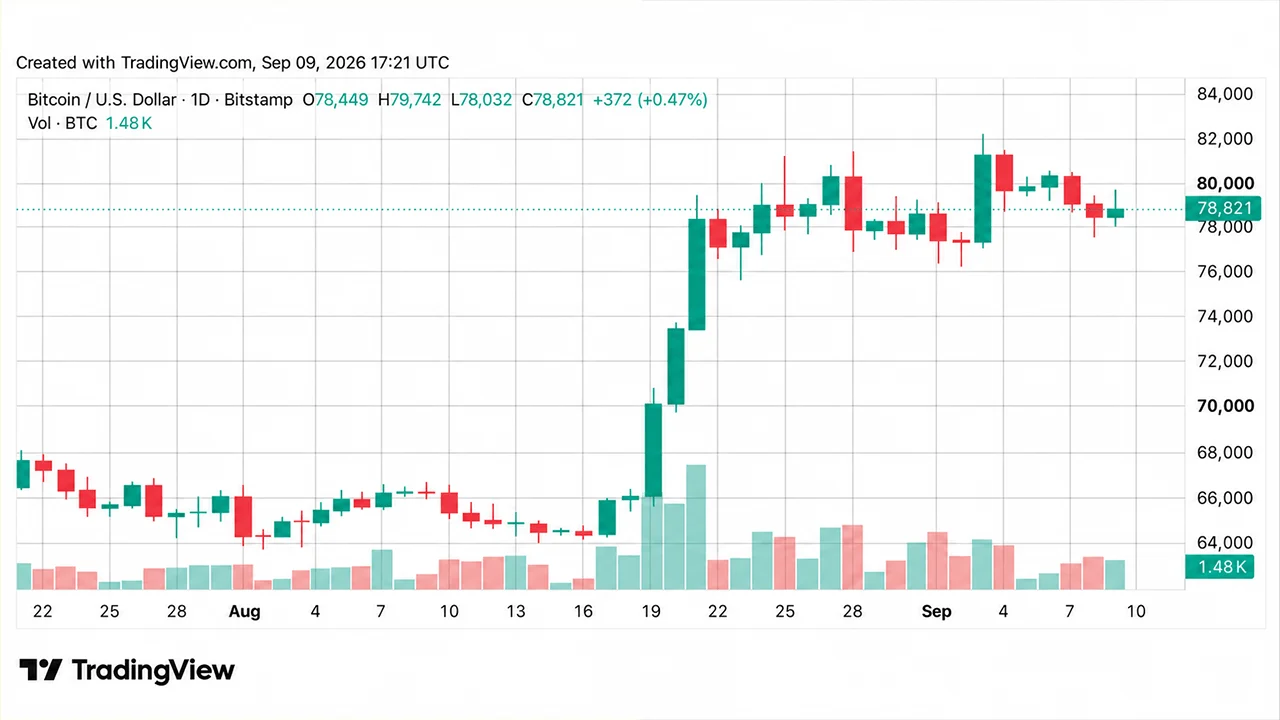
Umiindayog ang Bitcoin malapit sa $79,600 sa gitna ng $6B na buyback ng U.S. Treasury, na nagtutulak ng $223M sa mga crypto liquidation habang tumataas ang mga bond yield dahil sa tensyon sa Gitnang Silangan.
Ang meme coin na LAPTOP ni Hunter Biden ay bumagsak ng 98% sa loob ng 90 minuto, mula $199 hanggang $1.36 habang sumiklab ang kaguluhan sa pangangalakal.
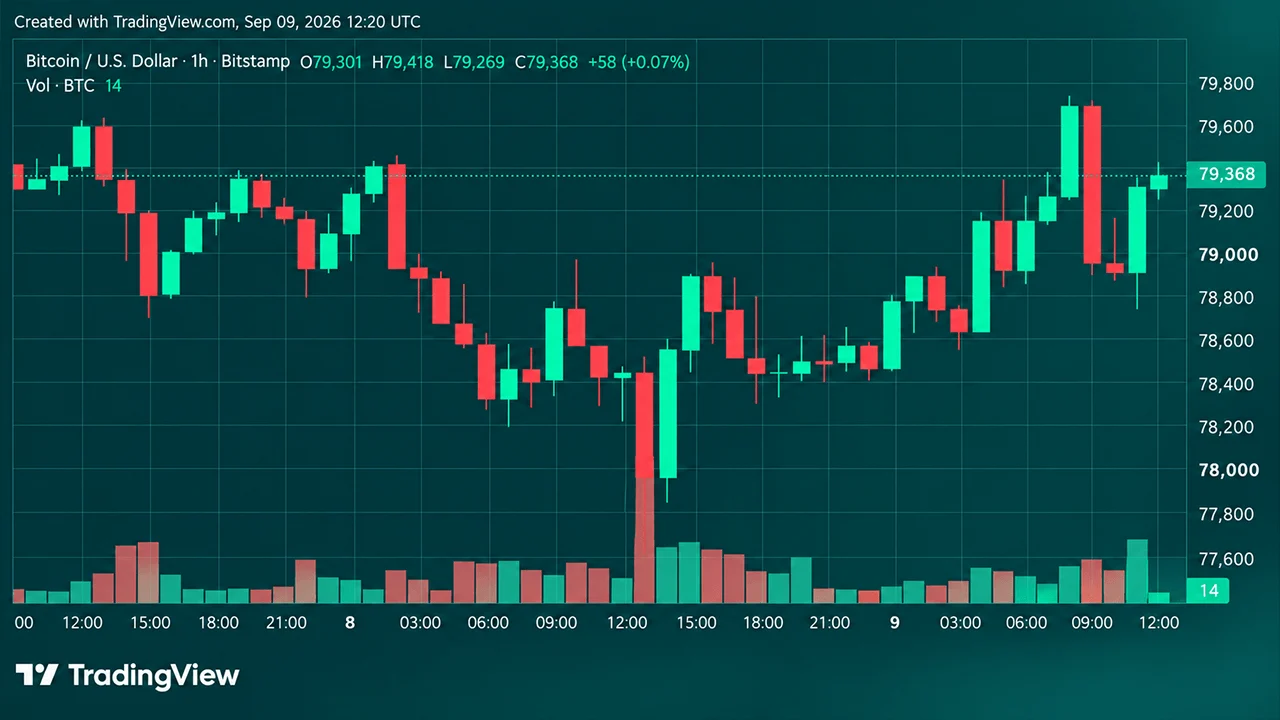
Ang presyo ng Bitcoin ay bumawi at muling umakyat sa itaas ng $79K habang tinatarget ng mga bull ang $80K, ngunit ang halo-halong momentum at ang resistensyang $79,742 ay nananatiling nagpapakaba sa BTC.
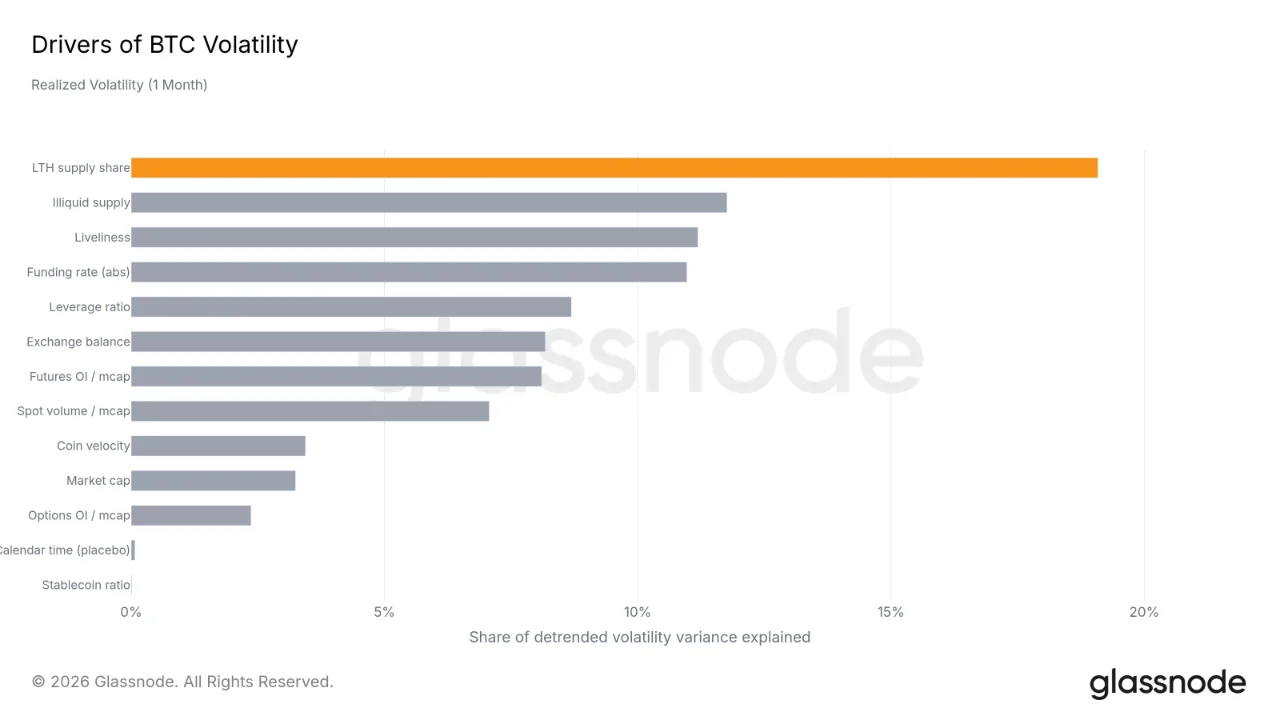
Ang one-month realized volatility ng Bitcoin ay historikal na mababa, ayon sa Glassnode, na ang estadistikal na pagsusuri ay tinutukoy ang supply ng mga pangmatagalang holder bilang ang
Buying Bitcoin online comes down to how you pay, where you buy, and where the BTC goes afterwards. The table below covers the payment routes; for a fuller comparison of buying methods across crypto generally, see the guide to buying crypto. What follows covers the parts specific to Bitcoin.
Payment methods compared
Payment method
Speed
Relative cost
ID usually required
Where your BTC lands
Debit or credit card
Usually instant
Higher
Yes
Wallet or account
Bank transfer
1 to 3 days
Lowest
Bitcoin network fees and confirmations
Bitcoin transactions are settled by the network rather than by whoever sold you the coins. That affects both what a transfer costs and when the BTC becomes usable.
How Bitcoin network fees work
A network fee is attached to each transaction and goes to the miners who include it in a block. The fee is based on the size of the transaction in data terms rather than on the amount of BTC being sent, so moving a large amount does not automatically cost more than moving a small one. Fees rise when more transactions are competing for space in a block.
When sending BTC from a self-custody wallet, the fee rate you choose can affect how quickly miners are likely to include the transaction when the network is busy.
Confirmations
A Bitcoin transaction is confirmed when it is included in a block, and each block added afterwards counts as a further confirmation. Wallets and services differ in how many confirmations they wait for before treating a balance as settled, which is one reason delivery times vary between providers.
Checking the address
Bitcoin addresses have their own formats, and a confirmed transaction generally cannot be reversed by the sender. Check the destination before confirming, and make sure it is a Bitcoin address rather than one belonging to another asset or network.
Where does your Bitcoin go after you buy it?
When BTC is delivered to a self-custody Bitcoin wallet, you control the keys and can send or spend it once the transaction has confirmed. If you buy through a custodial exchange or app instead, the provider controls the BTC until you withdraw it to a Bitcoin address you control. Self-custody puts backup and key management on you, while custodial holding makes you dependent on the provider.
Comparing what you pay for Bitcoin
Beyond the processing fee shown at checkout, the cost of buying BTC includes the spread built into the quoted rate and the Bitcoin network fee when the coins are delivered or later moved. If you buy on an exchange and withdraw afterwards, a withdrawal fee may apply as well. The final amount of BTC you receive is the most useful comparison, because it reflects the quoted rate and the costs included in the purchase.
Buying Bitcoin at an ATM, on an exchange, or peer-to-peer
The buy flow on this page is one route. Others differ in custody, cost and verification.
Bitcoin ATMs
Bitcoin ATMs let you buy with cash or a card. You scan a Bitcoin address from your wallet so the machine knows where to send the coins, and the BTC arrives after you pay. They go directly to a wallet you control. ATM fees can be higher than other buying routes, so check the rate and total cost before confirming, and note that verification requirements vary by operator and amount.
Bitcoin exchanges and peer-to-peer
These work for Bitcoin as they do for any asset: a Bitcoin exchange holds the BTC until you withdraw it, and a peer-to-peer marketplace matches you with a seller, often using escrow. Both routes, and the risks that come with them, are covered in the guide to buying crypto. If you withdraw BTC from an exchange, check the address and expect a withdrawal fee.


.svg?v=1785350642344)