A maioria das compras exige verificação de identidade. Facilitamos esse processo.
3. Efetuar o pagamento
Pague seu Bitcoin com cartão de crédito, aplicativo de pagamentos ou conta bancária
4. Acompanhe seu pedido
Acompanhe online o status do seu pedido de Bitcoin — até que ele chegue à sua carteira
5. Aproveite sua liberdade
Gaste, troque, gerencie e proteja seus Bitcoins com a Carteira do Bitcoin.com
Por que comprar Bitcoin no Bitcoin.com?
Comprado e entregue em poucos minutos, em uma carteira que só você controla.
Buy and receive in one flow
Choose a wallet you control as the destination and receive your BTC there after the purchase is processed.
Payment methods that suit you
Debit card, credit card or bank transfer, depending on what is available where you are.
Secure payment processing
Your payment is processed by the payment provider shown during checkout. Review the provider, payment method and final quote before confirming.
Send, receive, spend and sell
Manage your BTC after the purchase: move it, spend it, swap it for other assets, or sell it back to fiat.
One multichain wallet
Hold BTC alongside ETH, BCH and other leading cryptocurrencies and networks in a single app.
Wallet app or web account
Use the Bitcoin.com Wallet app on mobile, or a Bitcoin.com account to reach your crypto from any device.
O que é o Bitcoin (BTC)?
Key numbers to understand before you buy BTC.
21 Million Bitcoin
Bitcoin's issuance rules cap the total supply at 21 million BTC. No more than that can ever be created.
Satoshis in 1 BTC
100 million
You don't need to buy 1 BTC. Bitcoin can be divided into 100 million smaller units called satoshis.
What can you do with Bitcoin after buying it?
Once the BTC is in a wallet you control, it's yours to hold or use.
Hold it
Keep BTC in a wallet you control, secured by a recovery phrase only you hold.
Send and receive
Move BTC to any Bitcoin address at any time, without asking a provider for permission.
Spend it
Pay merchants and services that accept Bitcoin, directly from a wallet you control.
Set your own fee rate
When sending BTC from a self-custody wallet, the fee rate you choose can affect how quickly miners are likely to include the transaction when the network is busy.
Swap it
Exchange BTC for other supported cryptocurrencies without going back through a bank.
Sell it back to fiat
Convert BTC back into your local currency when you choose to, from the same wallet or account.
Perguntas frequentes
O que torna o Bitcoin único?
O Bitcoin é um ativo digital descentralizado. Trata-se de um novo tipo de ativo que se junta aos ativos tradicionais, como dinheiro, ouro e imóveis. Várias características-chave o diferenciam das formas tradicionais de dinheiro:
Oferta limitada: Haverá, no máximo, 21 milhões de bitcoins, o que o torna raro. Ao contrário de itens comuns que já serviram como moeda, como conchas marinhas ou sal, a escassez do Bitcoin aumenta seu valor e evita a erosão do poder de compra.
Divisibilidade: Um bitcoin pode ser dividido em 100 milhões de partes (sats), proporcionando uma proteção ainda maior contra a escassez. Ao contrário do dólar americano, que só pode ser dividido em 100 centavos, o Bitcoin pode ser dividido em quantidades mínimas, garantindo que o mundo nunca “fique sem” ele.
Durabilidade: A resiliência do Bitcoin decorre de uma rede globalmente distribuída de computadores que rastreiam a propriedade de forma independente, garantindo que nenhum bitcoin se perca. A estrutura dessa rede assegura a estabilidade da moeda a longo prazo.
Portabilidade: Com o Bitcoin, transações globais podem ser realizadas em minutos, independentemente do valor. Esse recurso oferece acessibilidade e conveniência incomparáveis.
Verificabilidade: Ao contrário de muitos ativos tangíveis, a autenticidade do Bitcoin é facilmente verificada. A estrutura do sistema torna praticamente impossível realizar transações com Bitcoins falsificados, contrastando fortemente com outras commodities valiosas, como o ouro, que podem ser falsificadas com mais facilidade.
Quem controla o Bitcoin?
O protocolo do Bitcoin é um software de código aberto criado por uma pessoa ou grupo que usa o pseudônimo de Satoshi Nakamoto. As alterações nele são influenciadas por quem utiliza o software, pelos detentores, pelas empresas, pelos desenvolvedores e pelas partes interessadas. Coletivamente, eles definem o que é o Bitcoin.
O Bitcoin é uma reserva de valor?
O status do Bitcoin como reserva de valor é alvo de debate. Seu impressionante retorno anualizado e sua escassez são argumentos a favor, mas a alta volatilidade e as preocupações tecnológicas são argumentos contra. As reservas de valor tradicionais incluem moedas fiduciárias, metais preciosos e imóveis, cada uma com características únicas. A natureza descentralizada e digital do Bitcoin oferece vantagens e desafios distintos como reserva de valor. Seu papel continua a evoluir juntamente com outras criptomoedas.
Como funciona a blockchain do Bitcoin?
O dinheiro nos bancos aparece em um livro-razão, que registra transações como depósitos e saques, e depende do banco como um terceiro de confiança. Podem ocorrer erros, o que exige a elaboração de extratos de reconciliação. O Bitcoin, por outro lado, utiliza um livro-razão descentralizado. As transações são verificadas por nós que executam o software, adicionadas a blocos e vinculadas criptograficamente, formando uma blockchain. Os nós descentralizados da rede Bitcoin devem chegar a um consenso sobre a validade das transações por meio de um mecanismo de prova de trabalho (PoW). Esse processo exige que os mineradores realizem cálculos, consumindo energia, o que torna a manipulação onerosa e garante a segurança da rede, tudo isso sem depender de uma autoridade central.
Como comprar Bitcoin?
Você pode comprar Bitcoin no aplicativo Bitcoin.com Wallet com apenas alguns toques. Pague com cartão de crédito, transferência bancária ou aplicativo de pagamento e receba Bitcoin diretamente em sua carteira de custódia própria. Também é possível comprar Bitcoin diretamente nesta página e enviá-lo para a carteira de Bitcoin de sua escolha.
Como usar o Bitcoin?
Você pode comprar, vender, enviar, receber, gastar e guardar Bitcoins na Carteira Bitcoin.com
Buying Bitcoin online comes down to how you pay, where you buy, and where the BTC goes afterwards. The table below covers the payment routes; for a fuller comparison of buying methods across crypto generally, see the guide to buying crypto. What follows covers the parts specific to Bitcoin.
Payment methods compared
Payment method
Speed
Bitcoin network fees and confirmations
Bitcoin transactions are settled by the network rather than by whoever sold you the coins. That affects both what a transfer costs and when the BTC becomes usable.
How Bitcoin network fees work
A network fee is attached to each transaction and goes to the miners who include it in a block. The fee is based on the size of the transaction in data terms rather than on the amount of BTC being sent, so moving a large amount does not automatically cost more than moving a small one. Fees rise when more transactions are competing for space in a block.
When sending BTC from a self-custody wallet, the fee rate you choose can affect how quickly miners are likely to include the transaction when the network is busy.
Confirmations
A Bitcoin transaction is confirmed when it is included in a block, and each block added afterwards counts as a further confirmation. Wallets and services differ in how many confirmations they wait for before treating a balance as settled, which is one reason delivery times vary between providers.
Checking the address
Bitcoin addresses have their own formats, and a confirmed transaction generally cannot be reversed by the sender. Check the destination before confirming, and make sure it is a Bitcoin address rather than one belonging to another asset or network.
Where does your Bitcoin go after you buy it?
When BTC is delivered to a self-custody Bitcoin wallet, you control the keys and can send or spend it once the transaction has confirmed. If you buy through a custodial exchange or app instead, the provider controls the BTC until you withdraw it to a Bitcoin address you control. Self-custody puts backup and key management on you, while custodial holding makes you dependent on the provider.
Comparing what you pay for Bitcoin
Beyond the processing fee shown at checkout, the cost of buying BTC includes the spread built into the quoted rate and the Bitcoin network fee when the coins are delivered or later moved. If you buy on an exchange and withdraw afterwards, a withdrawal fee may apply as well. The final amount of BTC you receive is the most useful comparison, because it reflects the quoted rate and the costs included in the purchase.
Buying Bitcoin at an ATM, on an exchange, or peer-to-peer
The buy flow on this page is one route. Others differ in custody, cost and verification.
Bitcoin ATMs
Bitcoin ATMs let you buy with cash or a card. You scan a Bitcoin address from your wallet so the machine knows where to send the coins, and the BTC arrives after you pay. They go directly to a wallet you control. ATM fees can be higher than other buying routes, so check the rate and total cost before confirming, and note that verification requirements vary by operator and amount.
Bitcoin exchanges and peer-to-peer
These work for Bitcoin as they do for any asset: a Bitcoin exchange holds the BTC until you withdraw it, and a peer-to-peer marketplace matches you with a seller, often using escrow. Both routes, and the risks that come with them, are covered in the guide to buying crypto. If you withdraw BTC from an exchange, check the address and expect a withdrawal fee.
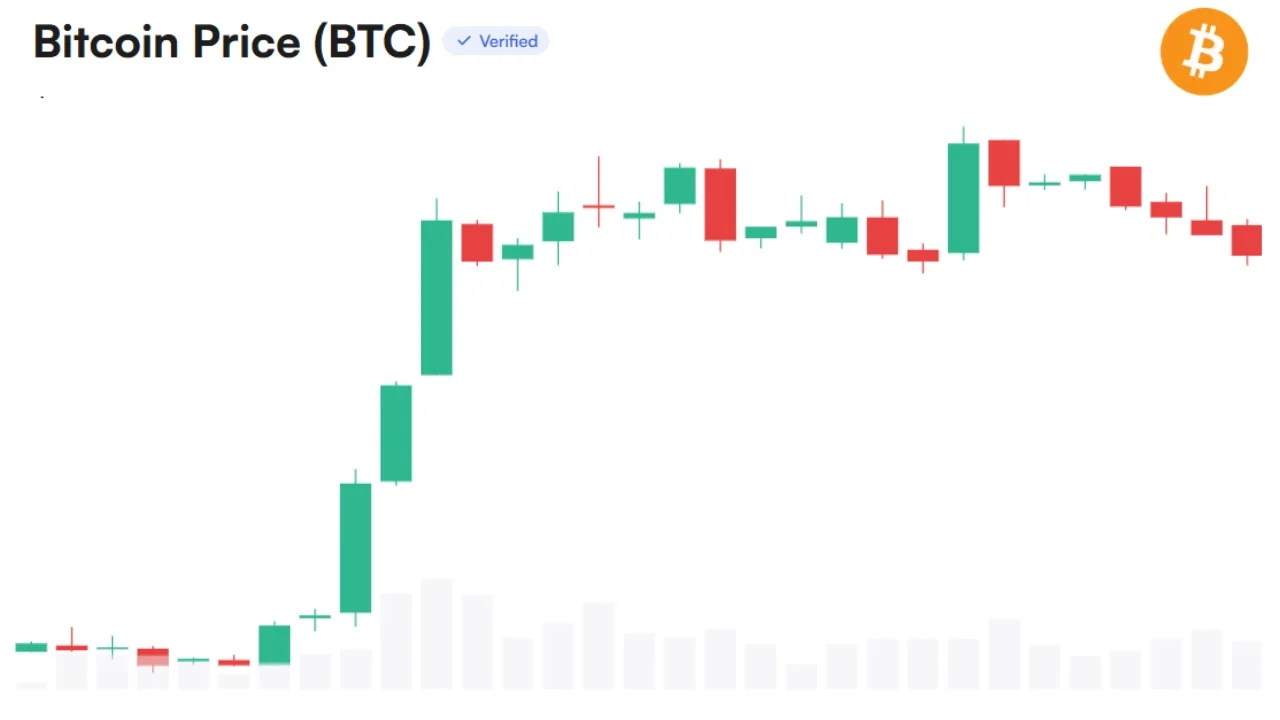
As perspectivas para o Bitcoin se fortaleceram em meio a fluxos positivos de ETFs em setembro e sinais de maior apetite pelo risco entre as altcoins. Após a divulgação dos novos dados do PPI, um
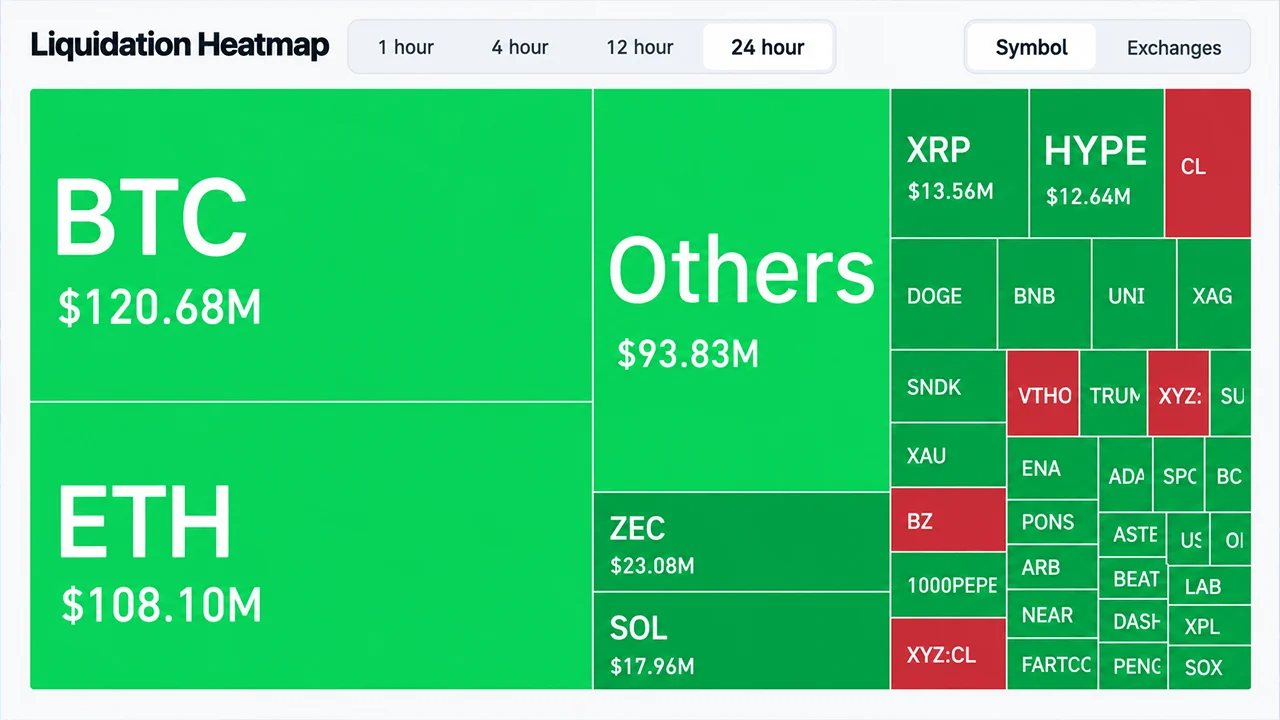
O bitcoin caiu para menos de US$ 77 mil depois que os dados expressivos do PPI dos EUA alimentaram os temores de um aumento nas taxas de juros pelo Fed, provocando liquidações no mercado de criptomoedas no valor de US$…
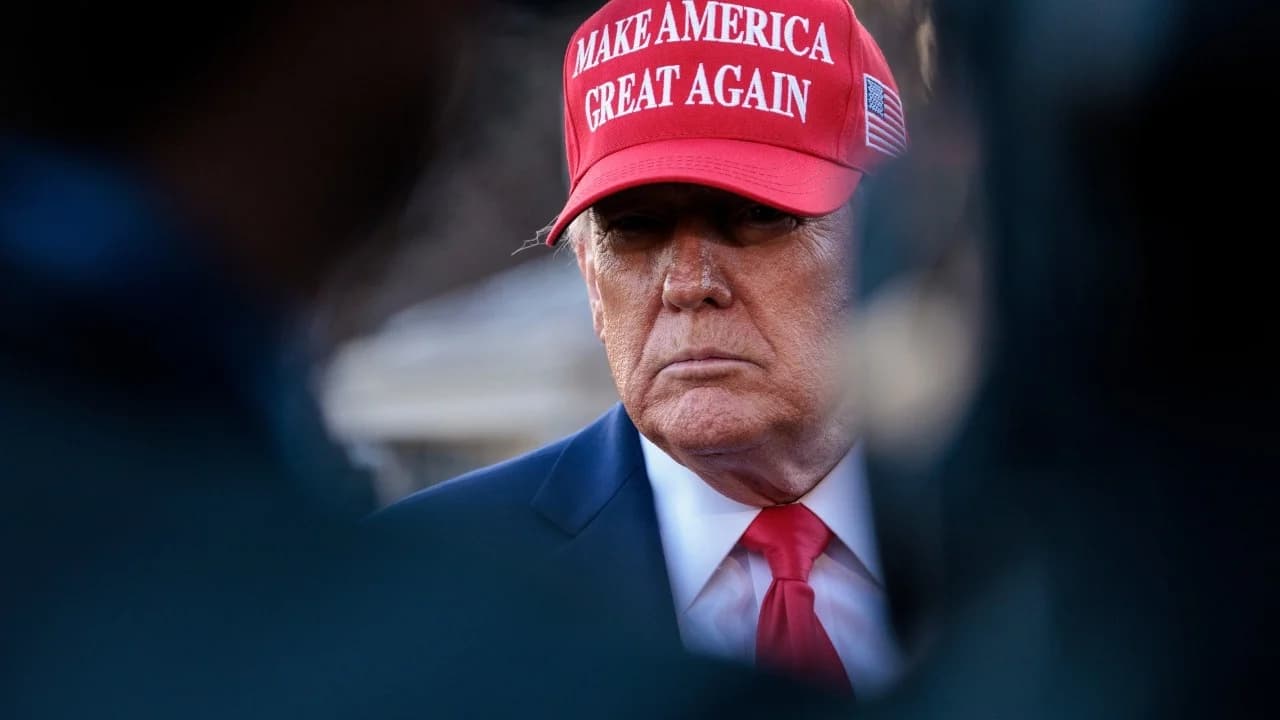
O preço do bitcoin se mantém próximo a US$ 78.000, já que os investidores dão mais importância aos próximos dados do PPI e do CPI do que aos cheques de dividendos de US$ 5.000 propostos por Donald Trump.
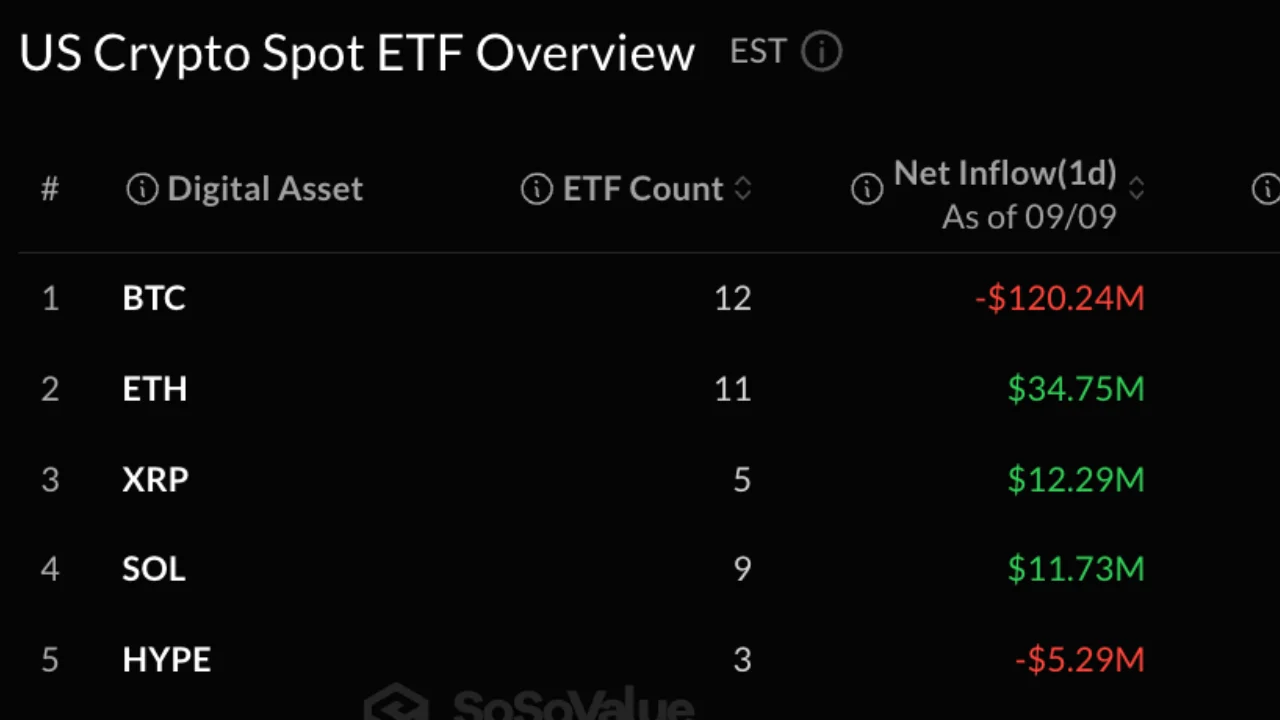
Os ETFs de bitcoin dos EUA registraram saídas líquidas de US$ 120,24 milhões na quarta-feira, estendendo sua sequência de perdas para a segunda sessão consecutiva.




.svg?v=1785350642344)