

Market Updates
Augusts kryptomarkedsvinnere eksploderer mens septemberfaren truer
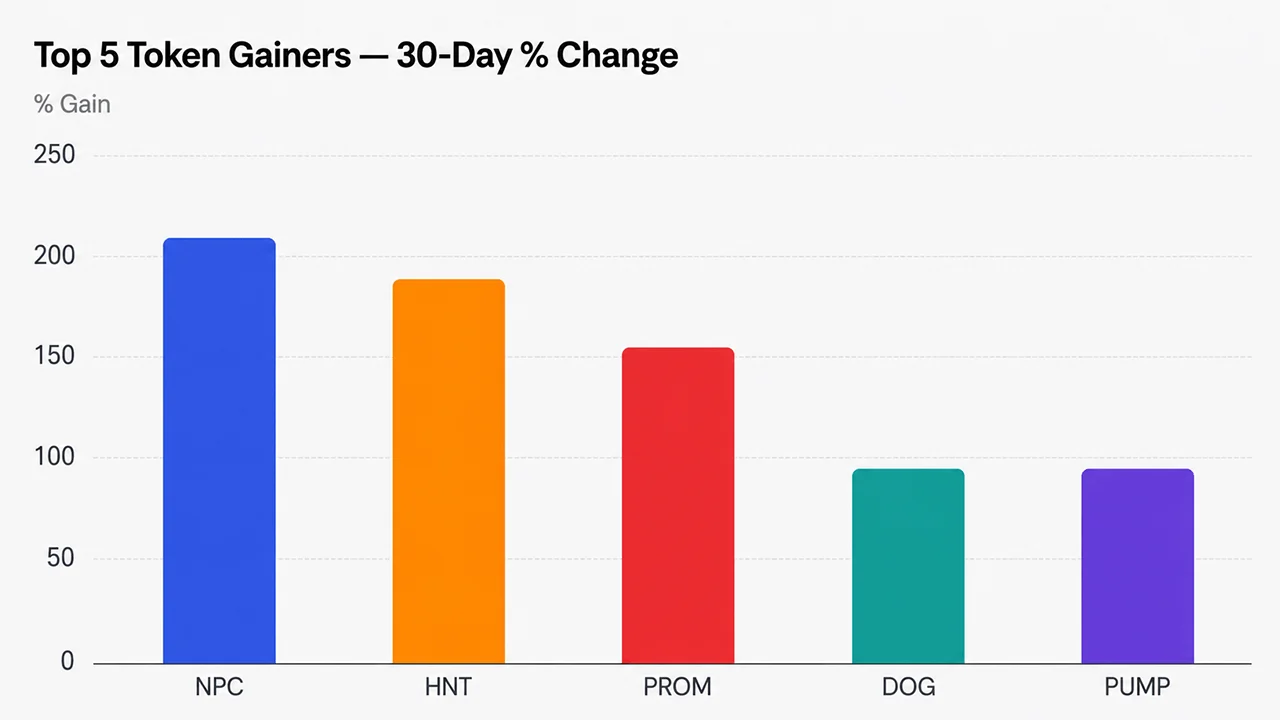
Kryptomarkedets vinnere skinte forrige måned, ledet av NPCs oppgang på 206 %, men septembers bearish historikk truer nå oppgangen for alle.
Kjøp Bitcoin med debetkort, kredittkort, bankoverføring eller Apple Pay. Begynn med så lite som 30 dollar, få kryptovalutaen din på få minutter, og oppbevar den i en lommebok som bare du har kontroll over.
Popular cryptocurrencies to buy
Kjøp og administrer et bredt spekter av kryptovalutaer på en sikker måte.
Hele prosessen tar omtrent fem minutter.


1. Skaff deg en lommebok
Last ned Mobilappen «Bitcoin.com Wallet» eller opprett en konto for å få tilgang til kryptovalutaen din på hvilken som helst enhet.
.svg?v=1785350642344)
2. Bekreft identiteten din
Betalingsleverandører er lovpålagt å bekrefte hvem du er. De fleste bekreftelser tar under fem minutter, og du trenger bare å gjøre dette én gang.

3. Velg beløp og betal
Skriv inn hvor mye du ønsker å bruke, fra 30 $. Det nøyaktige gebyret og mengden Bitcoin du vil motta, vises før du bekrefter.

4. Spor bestillingen din
Følg bestillingen din fra betaling til levering.

5. Motta Bitcoinene dine
Bitcoinene dine kommer inn på lommebokadressen din så snart nettverket har bekreftet transaksjonen, noe som vanligvis tar mellom 10 og 30 minutter.
Kjøpt og levert på få minutter, til en lommebok som bare du har kontroll over.
Choose a wallet you control as the destination and receive your crypto there after the purchase is processed.
Debit card, credit card or bank transfer, depending on what is available where you are.
Your payment is processed by the payment provider shown during checkout. Review the provider, payment method and final quote before confirming.
Buy Bitcoin, Ethereum, stablecoins and a wide range of other assets from one place.
Once it's in a wallet you control, it's yours to hold or use.

Keep your crypto in a wallet you control, secured by a recovery phrase only you hold.

Move crypto to any compatible address at any time, without asking a provider for permission.

Bli med Bitcoin.com og oppdag hvor enkelt det kan være å eie, administrere og utvide din Bitcoin.
Manage your crypto after the purchase: move it, swap it for other assets, or sell it back to fiat.
Use the Bitcoin.com Wallet app on mobile, or a Bitcoin.com account to reach your crypto from any device.
Pay merchants and services that accept crypto, directly from a wallet you control.

Exchange one supported cryptocurrency for another without going back through a bank.

Convert your crypto back into your local currency when you choose to.

Connect a self-custody wallet to on-chain applications, where the asset and network support it.
Kryptomarkedets vinnere skinte forrige måned, ledet av NPCs oppgang på 206 %, men septembers bearish historikk truer nå oppgangen for alle.
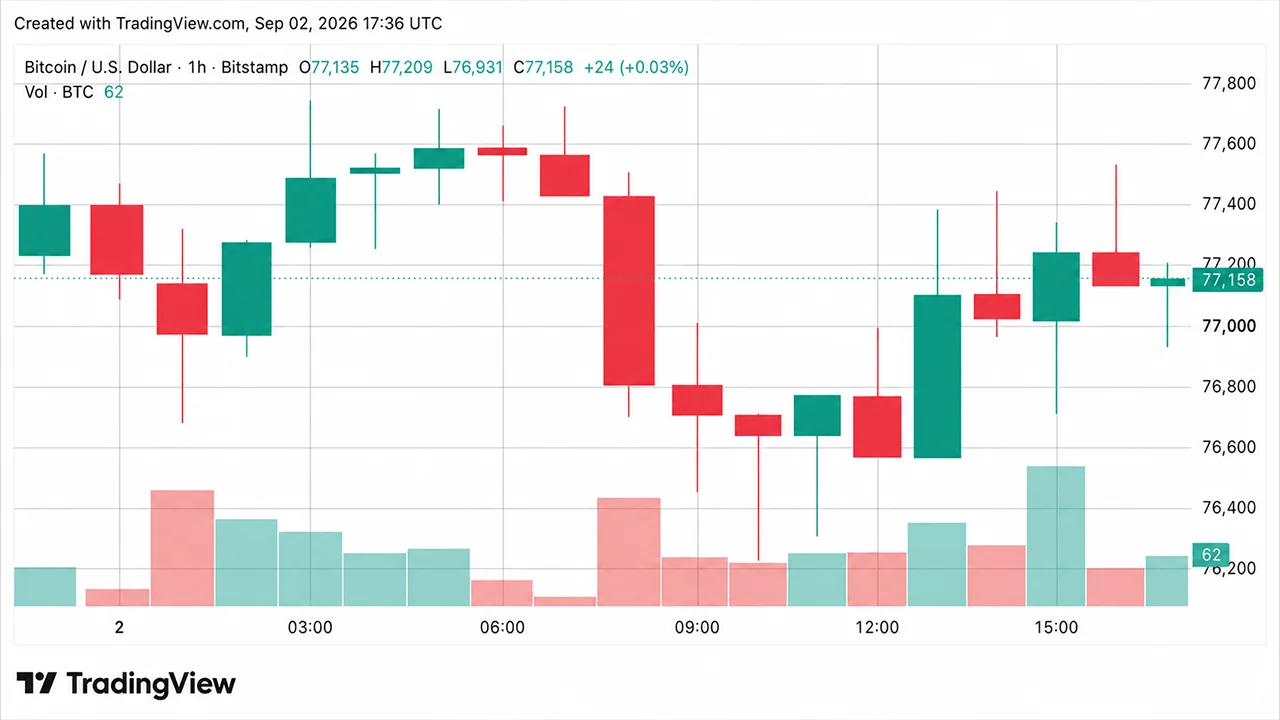
BTC falt mot 76 000 dollar etter nye militære angrep mellom USA og Iran og over 356 millioner dollar i likvidasjoner. Analytikere advarer om at en full gjeninnhenting fortsatt er for tidlig.
XRP falt kraftig i de første sju månedene av 2026, men aktiviteten på tvers av XRP Ledger beveget seg i motsatt retning.

Bitcoins pris ligger og svinger nær 76 700 og 77 100 dollar, mens okser forsvarer viktig støtte og bjørner truer med et dypere kortsiktig sammenbrudd.
Buying crypto comes down to three choices: which asset you want, how you pay, and where it goes afterwards. The process is the same whether you are buying Bitcoin, Ethereum or anything else. What changes between methods is speed, cost, how much identity verification is involved, and whether you end up holding the asset yourself.
| Speed |
|---|
| Relative cost |
|---|
| ID usually required |
|---|
| Where your crypto lands |
|---|
| Debit or credit card | Usually instant | Higher | Yes | Wallet or account |
| Bank transfer | 1 to 3 days | Lowest | Yes | Wallet or account |
| Apple Pay or Google Pay | Usually instant | Higher | Yes | Wallet or account |
| Crypto exchange | Varies | Low to moderate | Yes | Exchange, then your wallet |
| Peer-to-peer | Varies | Varies | Sometimes | Escrow, then your wallet |
The pattern is consistent: the faster and more convenient the method, the more it tends to cost. Bank transfers are usually cheapest but slowest, cards and payment apps are quick but cost more, and peer-to-peer varies widely by platform.
This is the part that makes buying crypto different from buying a single asset. There are thousands of cryptocurrencies, and most of what beginners buy falls into three groups. This is a buyer's-eye view rather than a full explainer of each type.
| Type | What buyers use it for | Lives on | Price behaviour | Before you buy |
|---|---|---|---|---|
| Major coins (e.g. Bitcoin, Ethereum) | A starting point and long-term holding | Their own network | Can move sharply | Widely supported, easy to buy and sell |
| Stablecoins (e.g. USDT, USDC) | Holding value or paying without big swings | Several networks |
What to weigh when you choose:
This page is not investment advice; the aim is to help you buy confidently, whatever you choose.
Buying crypto and holding crypto are two separate steps. Where your assets sit afterwards depends on the route you used, and it is the choice that matters most for a first-time buyer.
Your crypto is sent to a wallet whose recovery credentials you control. Once the transaction has confirmed and the asset is available in your wallet, you can hold, send or use it without asking a provider to release it first.
If you buy on a centralized exchange, or through some payment apps, the crypto may initially stay in an account that the provider controls. To take self-custody, you withdraw it to an address you control on the right network.
| Aspect | Self-custody | Custodial account |
|---|---|---|
| Private keys | You control them | The provider controls them |
| Sending crypto | You initiate transactions directly | The provider processes withdrawals |
| Recovery |
Neither model removes risk; they relocate it. Self-custody puts key management on you: if you lose access to the wallet and do not have a usable backup or recovery phrase, there may be no third party able to restore access. A custodial account hands that responsibility to a provider, and in exchange you depend on that provider staying solvent, available and willing to process your withdrawal.
Identity verification may be required when buying crypto with fiat currency. What is required depends on the payment provider, the transaction, the payment method and your location. On Bitcoin.com, the provider tells you during the purchase what verification it needs.
These requirements are set by the payment provider processing your transaction rather than by Bitcoin.com. Verification requirements differ between providers and purchase methods.
The advertised fee is only one part of the cost. Depending on where you buy, the total can also include:
The final amount of crypto you receive is the most useful comparison because it reflects the quoted rate and the costs included in the purchase.
The buy flow on this page is one route. Centralized exchanges and peer-to-peer marketplaces work differently, particularly around custody, payment methods, pricing and verification.
Exchanges typically let you buy and trade through an account controlled by the platform, often using an order book. You create an account, complete the exchange's verification requirements, fund the account, and place an order. The crypto remains in the exchange's custody unless you withdraw it, so many people move it to a personal wallet afterwards.
A peer-to-peer marketplace connects you directly with another person selling crypto. Some use escrow to hold the seller's asset while payment is completed. Payment methods vary widely and can include options card-based providers do not support, and depending on the marketplace, sellers may set their own rates or terms. P2P trades can involve counterparty risk as well as risks associated with the marketplace and payment method, so read the payment and release rules carefully before you send funds.
Dollar-cost averaging means buying the same amount at regular intervals rather than investing a larger amount at once. It spreads your purchases across different prices instead of requiring you to choose one entry point. Common schedules include weekly or monthly purchases.
Potential advantages
Trade-offs
Dollar-cost averaging does not remove risk or guarantee a profit.
| Designed to stay near a set value |
| Pick the version on a network your wallet supports |
| Other tokens (many altcoins) | Access to a specific app, project or use case | A host network such as Ethereum | Often more volatile | Check your wallet supports that token and network |
| Account recovery through the provider |
| Platform dependency | Lower | Higher |
| Ease for beginners | Requires you to back up your wallet | Often a familiar account model |