
 Get Bitcoin
What Is a Bitcoin ATM
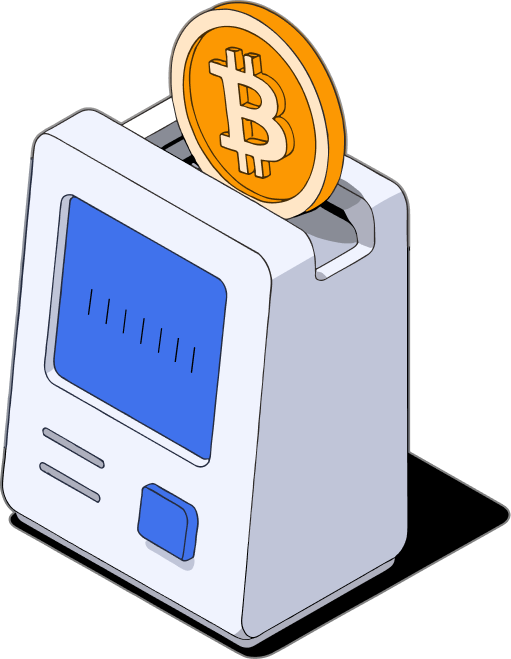
A Bitcoin ATM is a physical kiosk that allows users to buy Bitcoin and other supported cryptocurrencies using cash. Unlike traditional bank ATMs, Bitcoin ATMs do not dispense fiat currency.
Instead, they facilitate a crypto transaction that sends digital assets directly to a user's wallet.
How Bitcoin ATMs Work
Bitcoin ATMs let you buy or sell Bitcoin with cash. Each machine uses the internet to connect to a provider’s backend, which identifies the current prices, verifies transactions, and sends them to the blockchain network.
When you start a transaction, the ATM shows the exchange rate, calculates the operator fee, and creates a blockchain transaction. After you pay, the Bitcoin is sent on-chain to the specified wallet address. Confirmation times depend on the network but typically range from a few minutes to longer during periods of congestion.
The ATM doesn't hold Bitcoin itself, instead it just automates the provider sending Bitcoin from their wallet or liquidity source to your wallet on the blockchain.
For step-by-step instructions, verification requirements, or screenshots, see our detailed guide on how to locate and use a Bitcoin ATM.
How Bitcoin ATMs Work
Bitcoin ATMs let you buy or sell Bitcoin with cash. Each machine uses the internet to connect to a provider’s backend, which identifies the current prices, verifies transactions, and sends them to the blockchain network.
When you start a transaction, the ATM shows the exchange rate, calculates the operator fee, and creates a blockchain transaction. After you pay, the Bitcoin is sent on-chain to the specified wallet address. Confirmation times depend on the network but typically range from a few minutes to longer during periods of congestion.
The ATM doesn't hold Bitcoin itself, instead it just automates the provider sending Bitcoin from their wallet or liquidity source to your wallet on the blockchain.
For step-by-step instructions, verification requirements, or screenshots, see our detailed guide on how to locate and use a Bitcoin ATM.
How Bitcoin ATMs Work
Bitcoin ATMs let you buy or sell Bitcoin with cash. Each machine uses the internet to connect to a provider’s backend, which identifies the current prices, verifies transactions, and sends them to the blockchain network.
When you start a transaction, the ATM shows the exchange rate, calculates the operator fee, and creates a blockchain transaction. After you pay, the Bitcoin is sent on-chain to the specified wallet address. Confirmation times depend on the network but typically range from a few minutes to longer during periods of congestion.
The ATM doesn't hold Bitcoin itself, instead it just automates the provider sending Bitcoin from their wallet or liquidity source to your wallet on the blockchain.
For step-by-step instructions, verification requirements, or screenshots, see our detailed guide on how to locate and use a Bitcoin ATM.
Why Bitcoin ATMs Exist
Bitcoin ATMs solve a specific problem: allowing people to acquire Bitcoin without relying on online exchanges or bank transfers.,They are especially useful for:

Users who prefer paying with cash

People without access to traditional banking

Those who want to buy Bitcoin in person

Beginners looking for a simple, guided experience
What Is Required to Buy Bitcoin at an ATM?
Requirements may differ based on the operator and purchase amount. Besides cash for the purchase, here’s what you will need when buying at a Coinhub Bitcoin ATM:

Mobile Phone
Bring your phone for verification. You will receive a one-time passcode while at the ATM.

Bitcoin wallet
These ATMs are compatible with any wallet, including Coinhub Bitcoin Wallet and Bitcoin.com Wallet.

Valid Identification
For purchases greater than $2,000, you will need to scan your valid ID, such as a driver’s license.
Bitcoin ATM Fees and Exchange Rates
Crypto ATM fees vary by operator, location, transaction size, and market conditions. In some cases, fees may be higher than those found on online exchanges because Bitcoin ATMs provide in-person access, cash acceptance, and immediate on-chain transactions.
The total cost of buying Bitcoin through an ATM depends on the state of the blockchain network and the ATM fee percentage. For example, if a machine charges a higher percentage fee, the effective cost of buying $1,000 worth of Bitcoin will reflect that premium in the exchange rate shown on the screen.
Bitcoin ATM operators are required to show the total cost upfront, allowing users to review the transaction before proceeding. You will see exactly how much you pay before any transactions are made.
daily limits for ATM transactions
Bitcoin ATM daily limits set the maximum amount of bitcoin that can be bought or sold within a single day. These limits are set by Bitcoin ATM operators and are shaped by local regulations, compliance requirements, and internal risk policies.
Limits can differ by location and may change depending on whether identity verification is required and to what extent. As a result, the amount users can transact in a day can vary from one Bitcoin ATM to another, even within the same region.
For example, Coinhub ATMs permit purchases under $2,000 with minimal verification. Users can register online or at the machine to increase their limit to $50,000, and at Coinhub branch locations customers have a substantially higher daily limit of $100,000.

Identity Verification at Bitcoin ATMs
Verification requirements at Bitcoin ATMs vary depending on transaction size, operator policy, and local regulations. Some Bitcoin ATMs allow small purchases with minimal verification, while larger transactions typically require additional steps.
Depending on the machine and the amount, you may be asked to:
Enter a phone number
Scan a government-issued ID
Complete a basic identity check

Want to Save time at the machine?
Register in the comfort of your home and increase your daily limit to $50,000.
Want to Save time at the machine?
Register in the comfort of your home and increase your daily limit to $50,000.
Want to Save time at the machine?
Register in the comfort of your home and increase your daily limit to $50,000.
Supported Cryptocurrencies
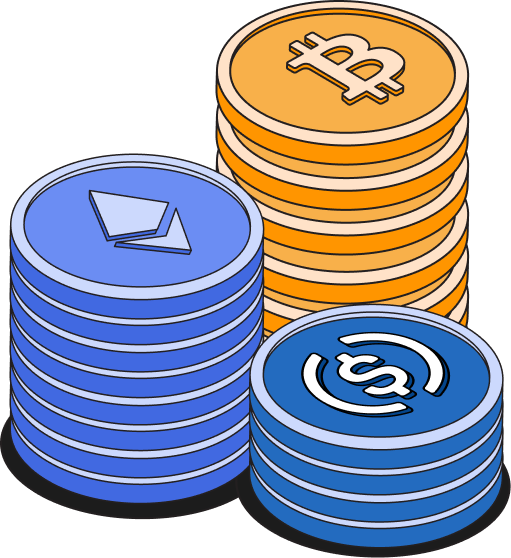
While Bitcoin is the most widely supported asset, ATMs like Coinhub also support additional cryptocurrencies such as Ethereum, USDT, and USDC.
For other ATM providers, altcoin availability varies and depends on the specific ATM operator and location. The machine interface will clearly display which assets are supported before you proceed.
Are Bitcoin ATMs Legal?
Bitcoin ATMs are legal in many countries and regions, but their operation is subject to local financial regulations.
Operators are typically required to comply with anti-money laundering (AML) and know-your-customer (KYC) rules. This is why verification requirements may differ between locations.
Before using a Bitcoin ATM, you can review the full terms on the machine screen.
bitcoin atm scams and what to lookout for
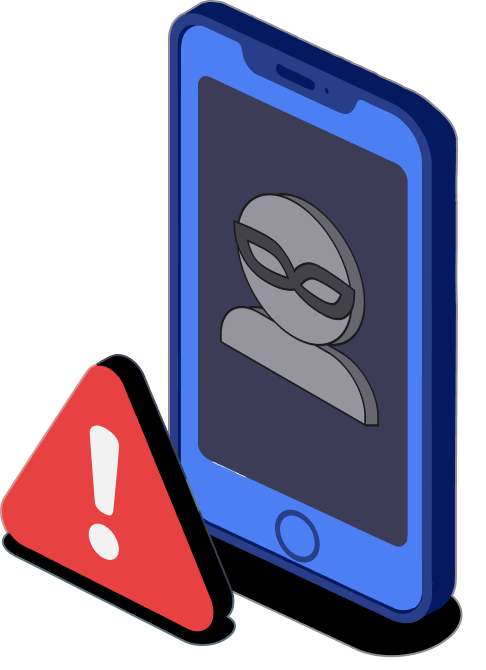
Bitcoin ATM scams are not caused by the machines themselves, but by fraudsters who trick people into sending cryptocurrency under false pretenses. Once funds are sent, they cannot be reversed, which is why scammers often target Bitcoin ATMs.
Common Bitcoin ATM scam scenarios include:
Requests to pay fines, taxes, or fees using a Bitcoin ATM
Impersonation scams posing as government agencies, tech support, or companies
Urgent payment demands that pressure victims to act quickly
How to Protect Yourself from Bitcoin ATM Scams
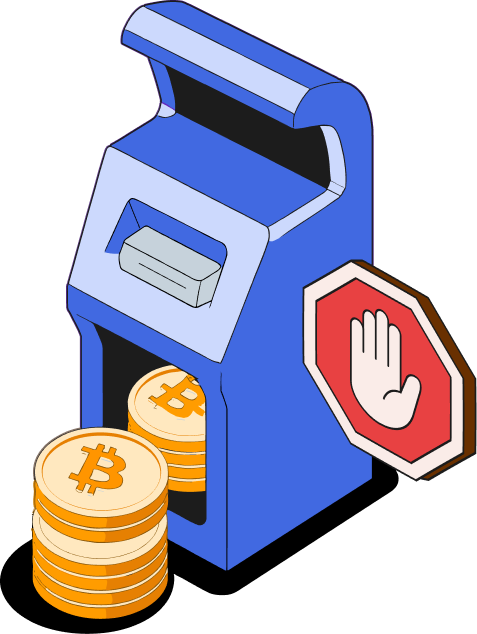
Always remember legitimate businesses and government agencies do not require payment via Bitcoin ATMs. Luckily, ATM operators often display scam warnings on their machines to help users recognize suspicious situations. To avoid Bitcoin ATM scams, follow these simple guidelines:
Never send Bitcoin to someone you do not personally know and trust
Be cautious of anyone instructing you to use a Bitcoin ATM to resolve an urgent issue
Verify payment requests independently before taking action
Take time to review all details shown on the machine screen
Learn More About Using Bitcoin ATMs
If you are using a Bitcoin ATM for the first time or want a practical walkthrough of the buying process, see our educational guide that explains how to locate and use a Bitcoin ATM step by step.
Learn More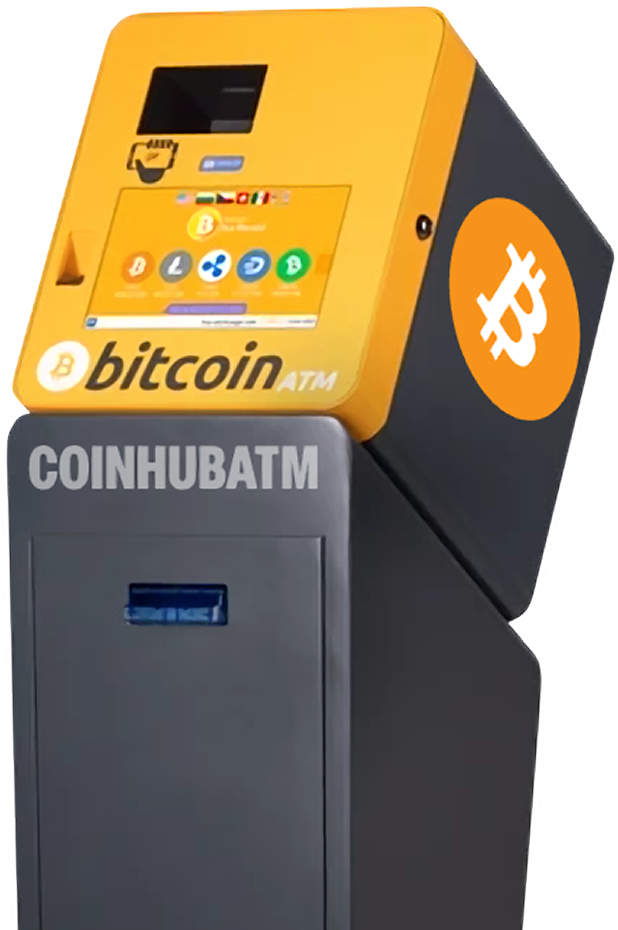
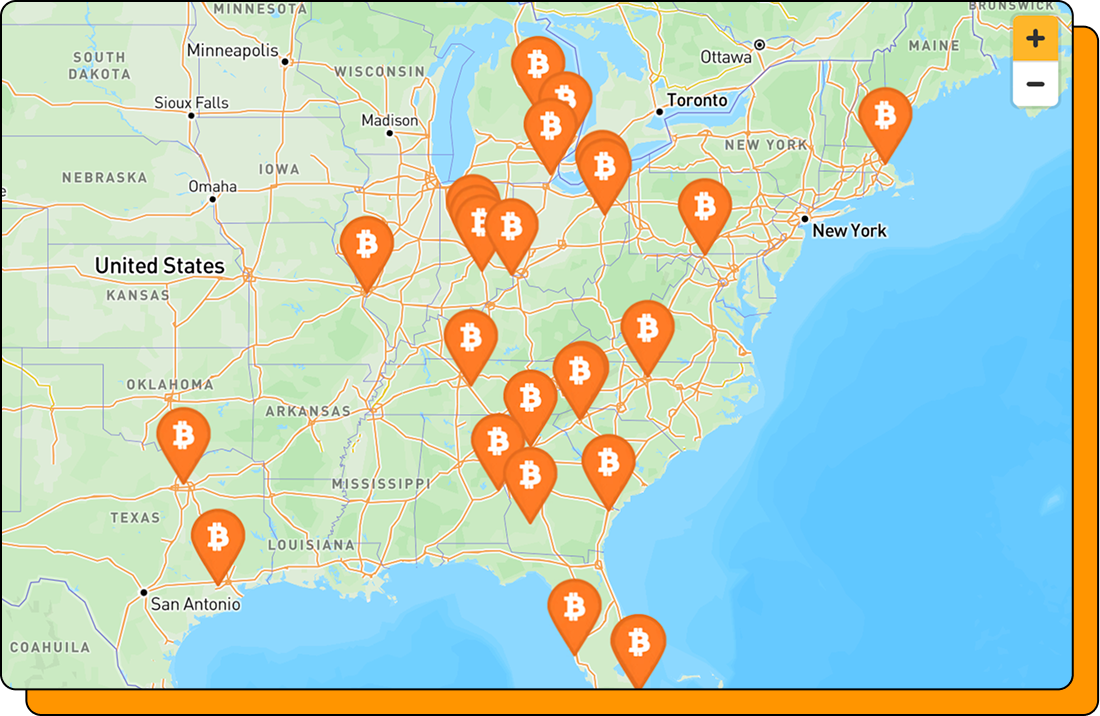
Finding a Bitcoin ATM Near You
Bitcoin ATMs are distributed globally, with thousands of machines operating across major cities and smaller communities.
If you are looking for nearby Bitcoin ATM locations, use our Bitcoin ATM locator to see available machines, supported cryptocurrencies, and basic details before visiting.
Finding a Bitcoin ATM Near You
Bitcoin ATMs are distributed globally, with thousands of machines operating across major cities and smaller communities.
If you are looking for nearby Bitcoin ATM locations, use our Bitcoin ATM locator to see available machines, supported cryptocurrencies, and basic details before visiting.
Download App



© 2026 Saint Bitts LLC Bitcoin.com. All rights reserved
Download App
Company
Insights
Products & Services
Reviews
Follow
© 2026 Saint Bitts LLC Bitcoin.com. All rights reserved