Last ned Mobilappen «Bitcoin.com Wallet» eller opprett en konto for å få tilgang til kryptovalutaen din på hvilken som helst enhet.
2. Bekreft identiteten din
De fleste kjøp krever identitetsbekreftelse. Vi gjør prosessen enkel.
3. Foreta betaling
Betal for Bitcoin med kredittkort, betalingsapp eller via bankkonto
4. Spor bestillingen din
Følg med på statusen for Bitcoin-bestillingen din på nettet – helt til den havner i lommeboken din
5. Nyt friheten din
Bruk, bytt, administrer og beskytt Bitcoinene dine med Bitcoin.com-lommeboken din
Hvorfor kjøpe Bitcoin på Bitcoin.com?
Kjøpt og levert på få minutter, til en lommebok som bare du har kontroll over.
Buy and receive in one flow
Choose a wallet you control as the destination and receive your BTC there after the purchase is processed.
Payment methods that suit you
Debit card, credit card or bank transfer, depending on what is available where you are.
Secure payment processing
Your payment is processed by the payment provider shown during checkout. Review the provider, payment method and final quote before confirming.
Send, receive, spend and sell
Manage your BTC after the purchase: move it, spend it, swap it for other assets, or sell it back to fiat.
One multichain wallet
Hold BTC alongside ETH, BCH and other leading cryptocurrencies and networks in a single app.
Wallet app or web account
Use the Bitcoin.com Wallet app on mobile, or a Bitcoin.com account to reach your crypto from any device.
Hva er Bitcoin (BTC)?
Key numbers to understand before you buy BTC.
21 Million Bitcoin
Bitcoin's issuance rules cap the total supply at 21 million BTC. No more than that can ever be created.
Satoshis in 1 BTC
100 million
You don't need to buy 1 BTC. Bitcoin can be divided into 100 million smaller units called satoshis.
What can you do with Bitcoin after buying it?
Once the BTC is in a wallet you control, it's yours to hold or use.
Hold it
Keep BTC in a wallet you control, secured by a recovery phrase only you hold.
Send and receive
Move BTC to any Bitcoin address at any time, without asking a provider for permission.
Spend it
Pay merchants and services that accept Bitcoin, directly from a wallet you control.
Set your own fee rate
When sending BTC from a self-custody wallet, the fee rate you choose can affect how quickly miners are likely to include the transaction when the network is busy.
Swap it
Exchange BTC for other supported cryptocurrencies without going back through a bank.
Sell it back to fiat
Convert BTC back into your local currency when you choose to, from the same wallet or account.
Ofte stilte spørsmål
Hva gjør Bitcoin så unikt?
Bitcoin er en desentralisert digital eiendel. Det er en ny type eiendel som inngår i samme kategori som tradisjonelle eiendeler som kontanter, gull og eiendom. Flere sentrale egenskaper skiller den fra tradisjonelle pengetyper:
Begrenset tilbud: Det vil aldri bli mer enn 21 millioner bitcoins, noe som gjør den sjelden. I motsetning til vanlige gjenstander som har fungert som valuta, som skjell eller salt, øker Bitcoins knapphet verdien og forhindrer svekkelse av kjøpekraften.
Delbarhet: Én bitcoin kan deles opp i 100 millioner deler (sats), noe som gir enda bedre beskyttelse mot knapphet. I motsetning til den amerikanske dollaren, som kun kan deles opp i 100 cent, kan Bitcoin deles opp i svært små mengder, noe som sikrer at verden aldri vil «gå tom» for den.
Holdbarhet: Bitcoins robusthet stammer fra et globalt distribuert nettverk av datamaskiner som uavhengig av hverandre sporer eierskapet, og sørger for at ingen bitcoin går tapt. Strukturen i dette nettverket sikrer valutaens langsiktige stabilitet.
Bærbarhet: Med Bitcoin kan globale transaksjoner gjennomføres på få minutter, uavhengig av beløpet. Denne egenskapen gir enestående tilgjengelighet og brukervennlighet.
Verifiserbarhet: I motsetning til mange fysiske eiendeler kan Bitcoins ekthet enkelt verifiseres. Systemets struktur gjør det praktisk talt umulig å gjennomføre transaksjoner med forfalsket Bitcoin, noe som står i sterk kontrast til andre verdifulle råvarer som gull, som lettere kan forfalskes.
Hvem kontrollerer Bitcoin?
Bitcoins protokoll er åpen kildekode-programvare utviklet av en person eller gruppe som bruker pseudonymet Satoshi Nakamoto. Endringer i protokollen påvirkes av de som bruker programvaren, innehavere, bedrifter, utviklere og andre interessenter. Sammen er det de som former hva Bitcoin er.
Er Bitcoin en verdibevarer?
Bitcoins status som verdibevarer er gjenstand for debatt. Den imponerende avkastningen på årsbasis og knappheten taler for den, mens høy volatilitet og teknologiske bekymringer taler imot. Tradisjonelle verdibevarere inkluderer fiat-valuta, edle metaller og eiendom, som alle har unike egenskaper. Bitcoins desentraliserte, digitale natur gir både klare fordeler og utfordringer som verdibevarer. Dens rolle fortsetter å utvikle seg i takt med andre kryptovalutaer.
Hvordan fungerer Bitcoin-blokkjeden?
Penger i banker føres inn i en hovedbok som registrerer transaksjoner som innskudd og uttak, og baserer seg på banken som en pålitelig tredjepart. Det kan oppstå feil, noe som gjør det nødvendig med avstemmingsrapporter. Bitcoin bruker derimot en desentralisert hovedbok. Transaksjonene verifiseres av noder som kjører programvaren, legges til i blokker og kobles sammen kryptografisk, slik at de danner en blokkjede. De desentraliserte nodene i Bitcoin-nettverket må oppnå enighet om transaksjonenes gyldighet gjennom en «proof of work»-mekanisme (PoW). Denne prosessen krever at minere utfører beregninger som forbruker energi, noe som gjør manipulering kostbart og sikrer nettverkssikkerheten – alt uten å være avhengig av en sentral myndighet.
Hvordan kjøper man Bitcoin?
Du kan kjøpe Bitcoin i Bitcoin.com Wallet-appen med bare noen få trykk. Betal med kredittkort, bankoverføring eller betalingsapp, og motta Bitcoin direkte i din egen lommebok. Du kan også kjøpe Bitcoin direkte på denne siden og sende den til den Bitcoin-lommeboken du ønsker.
Hvordan bruker man Bitcoin?
Du kan kjøpe, selge, sende, motta, bruke og oppbevare Bitcoin i Bitcoin.com Wallet
Buying Bitcoin online comes down to how you pay, where you buy, and where the BTC goes afterwards. The table below covers the payment routes; for a fuller comparison of buying methods across crypto generally, see the guide to buying crypto. What follows covers the parts specific to Bitcoin.
Payment methods compared
Payment method
Speed
Bitcoin network fees and confirmations
Bitcoin transactions are settled by the network rather than by whoever sold you the coins. That affects both what a transfer costs and when the BTC becomes usable.
How Bitcoin network fees work
A network fee is attached to each transaction and goes to the miners who include it in a block. The fee is based on the size of the transaction in data terms rather than on the amount of BTC being sent, so moving a large amount does not automatically cost more than moving a small one. Fees rise when more transactions are competing for space in a block.
When sending BTC from a self-custody wallet, the fee rate you choose can affect how quickly miners are likely to include the transaction when the network is busy.
Confirmations
A Bitcoin transaction is confirmed when it is included in a block, and each block added afterwards counts as a further confirmation. Wallets and services differ in how many confirmations they wait for before treating a balance as settled, which is one reason delivery times vary between providers.
Checking the address
Bitcoin addresses have their own formats, and a confirmed transaction generally cannot be reversed by the sender. Check the destination before confirming, and make sure it is a Bitcoin address rather than one belonging to another asset or network.
Where does your Bitcoin go after you buy it?
When BTC is delivered to a self-custody Bitcoin wallet, you control the keys and can send or spend it once the transaction has confirmed. If you buy through a custodial exchange or app instead, the provider controls the BTC until you withdraw it to a Bitcoin address you control. Self-custody puts backup and key management on you, while custodial holding makes you dependent on the provider.
Comparing what you pay for Bitcoin
Beyond the processing fee shown at checkout, the cost of buying BTC includes the spread built into the quoted rate and the Bitcoin network fee when the coins are delivered or later moved. If you buy on an exchange and withdraw afterwards, a withdrawal fee may apply as well. The final amount of BTC you receive is the most useful comparison, because it reflects the quoted rate and the costs included in the purchase.
Buying Bitcoin at an ATM, on an exchange, or peer-to-peer
The buy flow on this page is one route. Others differ in custody, cost and verification.
Bitcoin ATMs
Bitcoin ATMs let you buy with cash or a card. You scan a Bitcoin address from your wallet so the machine knows where to send the coins, and the BTC arrives after you pay. They go directly to a wallet you control. ATM fees can be higher than other buying routes, so check the rate and total cost before confirming, and note that verification requirements vary by operator and amount.
Bitcoin exchanges and peer-to-peer
These work for Bitcoin as they do for any asset: a Bitcoin exchange holds the BTC until you withdraw it, and a peer-to-peer marketplace matches you with a seller, often using escrow. Both routes, and the risks that come with them, are covered in the guide to buying crypto. If you withdraw BTC from an exchange, check the address and expect a withdrawal fee.
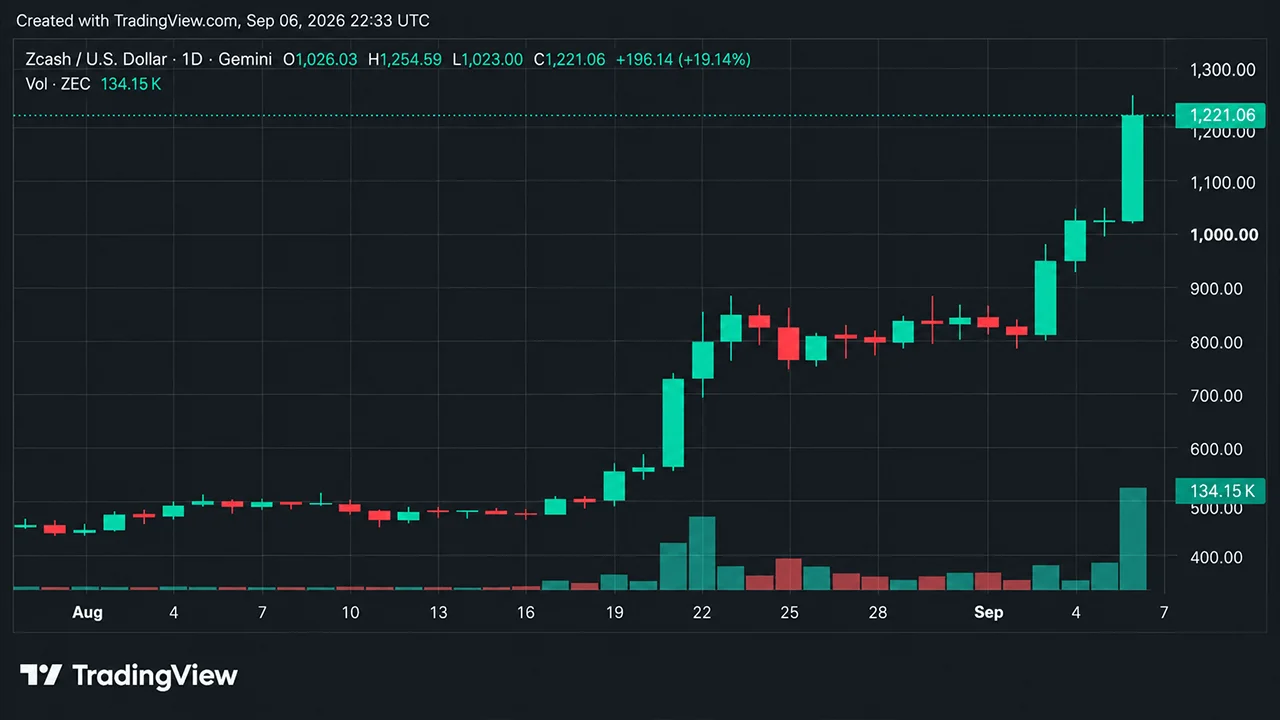
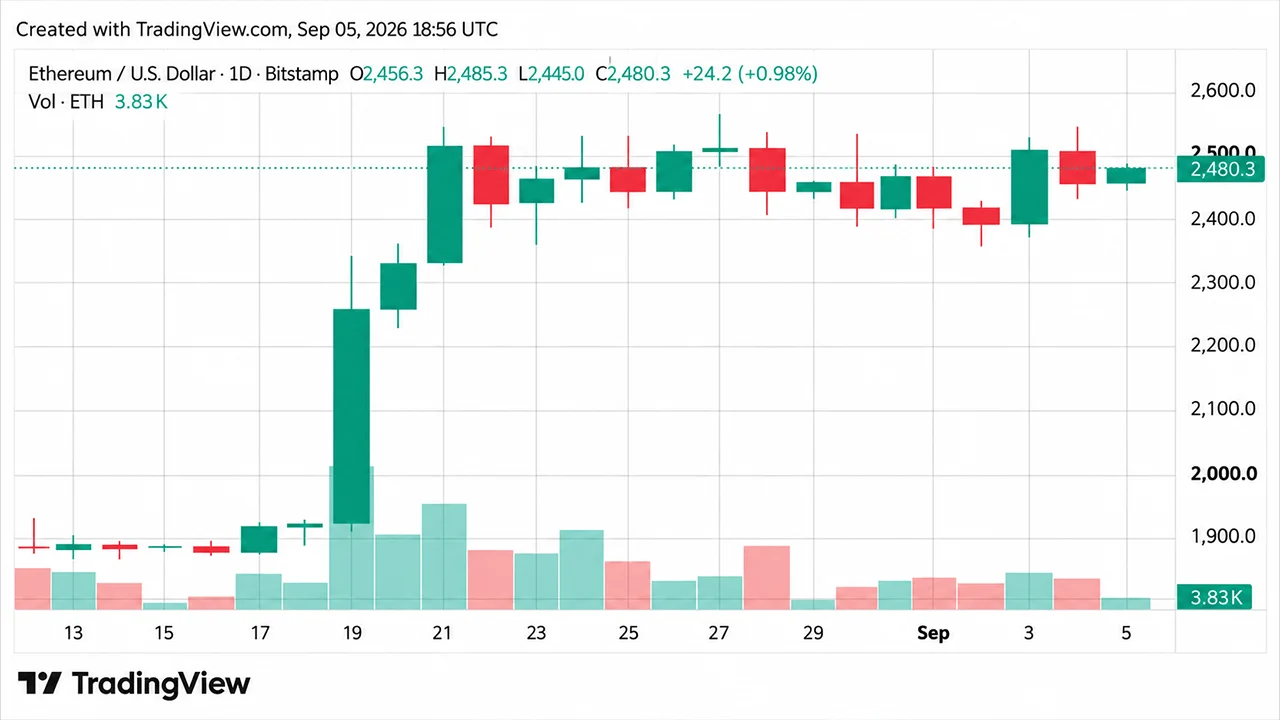
Crypto-markedsverdien holdt seg over 2,7 billioner dollar etter en ukentlig oppgang på 2 %. Se hvordan Zcash, BNB og store altcoins presterte i den første uken av september.
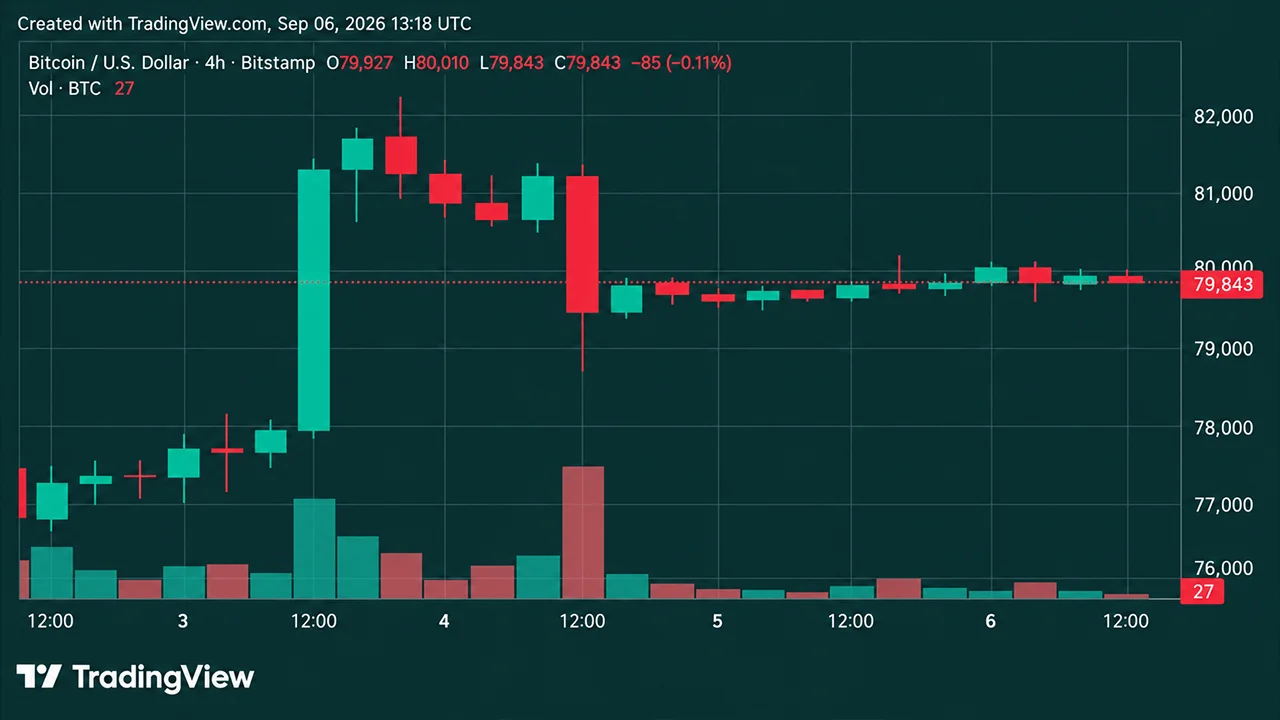
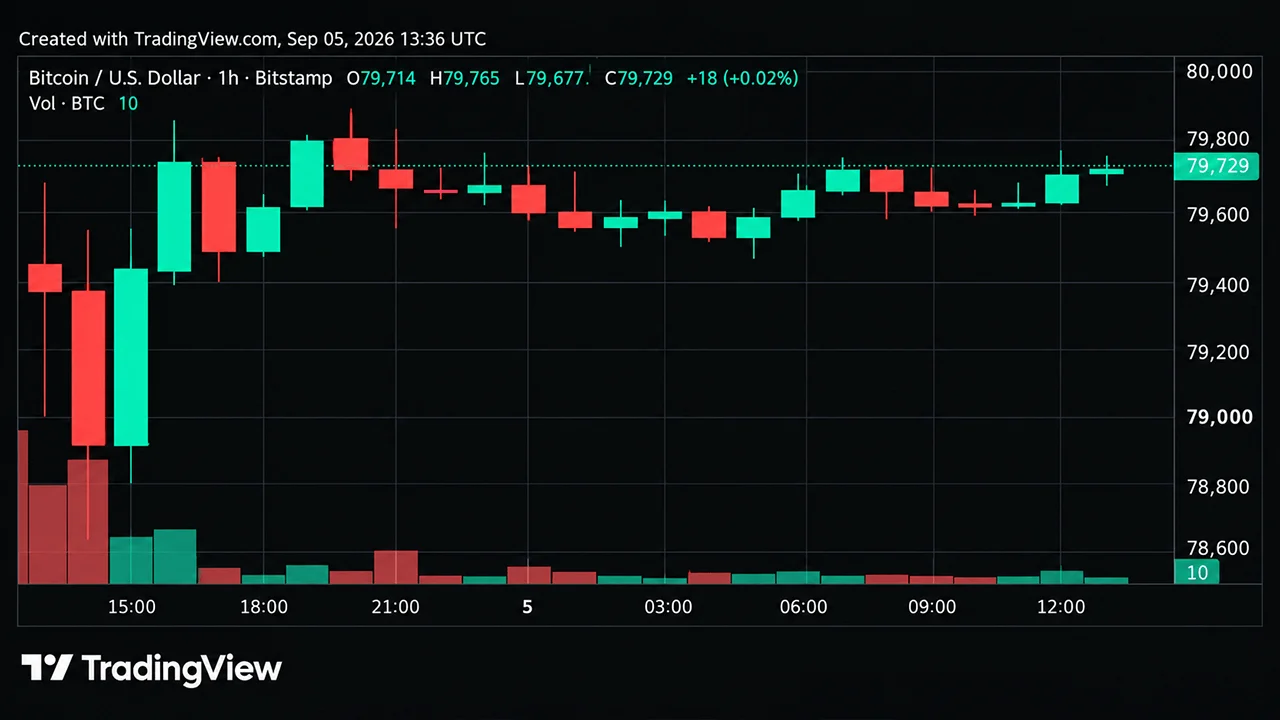
Bitcoin-prisen handles nær 79 700 dollar per mynt mens oksene forsvarer 78 500 dollar og kjemper for å ta tilbake 80 000 dollar, med 82 281 dollar fortsatt innen rekkevidde.


.svg?v=1785350642344)