Koop Bitcoin met een debetkaart, creditcard, bankoverschrijving of Apple Pay. Al vanaf $30, ontvang je crypto binnen enkele minuten en bewaar je deze in een wallet waar alleen jij de controle over hebt.
Download de Bitcoin.com Wallet mobiele app of maak een account aan om op elk apparaat toegang te krijgen tot je cryptovaluta.
2. Bevestig je identiteit
Betalingsdienstverleners zijn wettelijk verplicht om te controleren wie je bent. De meeste verificaties zijn binnen vijf minuten afgerond, en je hoeft dit maar één keer te doen.
3. Kies het bedrag en betaal
Voer in hoeveel je wilt uitgeven, vanaf $30. De exacte kosten en de hoeveelheid Bitcoin die je ontvangt, worden weergegeven voordat je de transactie bevestigt.
4. Volg je bestelling
Volg uw bestelling vanaf de betaling tot en met de levering.
5. Ontvang je Bitcoin
Je Bitcoin wordt op je walletadres bijgeschreven zodra het netwerk de transactie heeft bevestigd, wat doorgaans 10 tot 30 minuten duurt.
Waarom crypto kopen bij Bitcoin.com?
Binnen enkele minuten gekocht en geleverd, naar een portemonnee waar alleen jij de controle over hebt.
Buy and receive in one flow
Choose a wallet you control as the destination and receive your crypto there after the purchase is processed.
Payment methods that suit you
Debit card, credit card or bank transfer, depending on what is available where you are.
Secure payment processing
Your payment is processed by the payment provider shown during checkout. Review the provider, payment method and final quote before confirming.
120+ cryptocurrencies
Buy Bitcoin, Ethereum, stablecoins and a wide range of other assets from one place.
Send, receive, swap and sell
Manage your crypto after the purchase: move it, swap it for other assets, or sell it back to fiat.
Wallet app or web account
Use the Bitcoin.com Wallet app on mobile, or a Bitcoin.com account to reach your crypto from any device.
Veelgestelde vragen
Wat is de goedkoopste manier om Bitcoin te kopen?
Een bankoverschrijving is bijna altijd het goedkoopst, omdat kaartnetwerken de betalingsdienstaanbieder een percentage in rekening brengen dat wordt doorberekend. Als je meer dan een paar honderd dollar uitgeeft en je hebt geen haast, maak dan het geld over via je bank. Bij kleine of spoedeisende aankopen weegt het gemak van een kaart meestal zwaarder dan het prijsverschil.
Kan ik Bitcoin kopen met een creditcard?
Ja, mits je kaartuitgever dit toestaat. Houd er rekening mee dat veel creditcardmaatschappijen aankopen in cryptovaluta beschouwen als een contant voorschot, wat kan leiden tot een hogere rente zonder aflossingsvrije periode, plus kosten voor het contant voorschot van je kaartuitgever bovenop de aankoopkosten. Met een debetkaart kun je dit volledig vermijden.
Waarom heeft mijn bank mijn Bitcoin-aankoop geweigerd?
De meeste afwijzingen zijn het gevolg van het beleid van de bank en hebben niets te maken met een probleem met je rekening. Sommige banken blokkeren crypto-verkopers standaard. In de meeste gevallen kun je dit oplossen door het nummer op de achterkant van je kaart te bellen en te vragen of ze de transactie willen goedkeuren. Overstappen van een creditcard naar een debetkaart of een bankoverschrijving werkt meestal ook.
Hoe lang duurt het voordat ik mijn Bitcoin ontvang?
Kaartbetalingen worden binnen enkele seconden goedgekeurd en je Bitcoin wordt doorgaans binnen 10 tot 30 minuten bijgeschreven zodra het netwerk de transactie heeft bevestigd. Bij bankoverschrijvingen duurt het één tot drie werkdagen voordat de betaling is verwerkt en de Bitcoin wordt verzonden.
Moet ik mijn identiteit verifiëren?
Voor vrijwel alle aankopen geldt: ja. Betalingsproviders zijn wettelijk verplicht om klanten te verifiëren op grond van de regelgeving ter bestrijding van witwassen. Dit geldt voor elke gereguleerde dienst, niet alleen voor die van ons. De verificatie is een eenmalig proces dat doorgaans minder dan vijf minuten duurt. Wees op je hoede voor diensten die beweren Bitcoin te verkopen zonder enige vorm van verificatie.
Wat is de minimale hoeveelheid die ik kan kopen?
Je kunt al vanaf 30 dollar kopen. Je hoeft niet per se een hele Bitcoin te kopen. Een Bitcoin is onderverdeeld in 100 miljoen eenheden, zogenaamde satoshi’s, dus elk bedrag is mogelijk.
Waar komt mijn Bitcoin terecht nadat ik die heb gekocht?
Rechtstreeks naar het walletadres dat je opgeeft. Het geld wordt nooit op een rekening bewaard die wij beheren. Als je de Bitcoin.com Wallet hebt gebruikt, verschijnt het automatisch in je saldo. Je kunt de transactie zelf controleren op de blockchain met behulp van het transactie-ID dat we je geven.
Klaar om aan de slag te gaan?
Sluit u aan bij Bitcoin.com en ontdek hoe eenvoudig het kan zijn om uw Bitcoin te bezitten, beheren en laten groeien.
Buying crypto online comes down to three choices: which asset you want, how you pay, and where it goes afterwards. The process is the same whether you are buying Bitcoin, Ethereum or anything else. What changes between methods is speed, cost, how much identity verification is involved, and whether you end up holding the asset yourself.
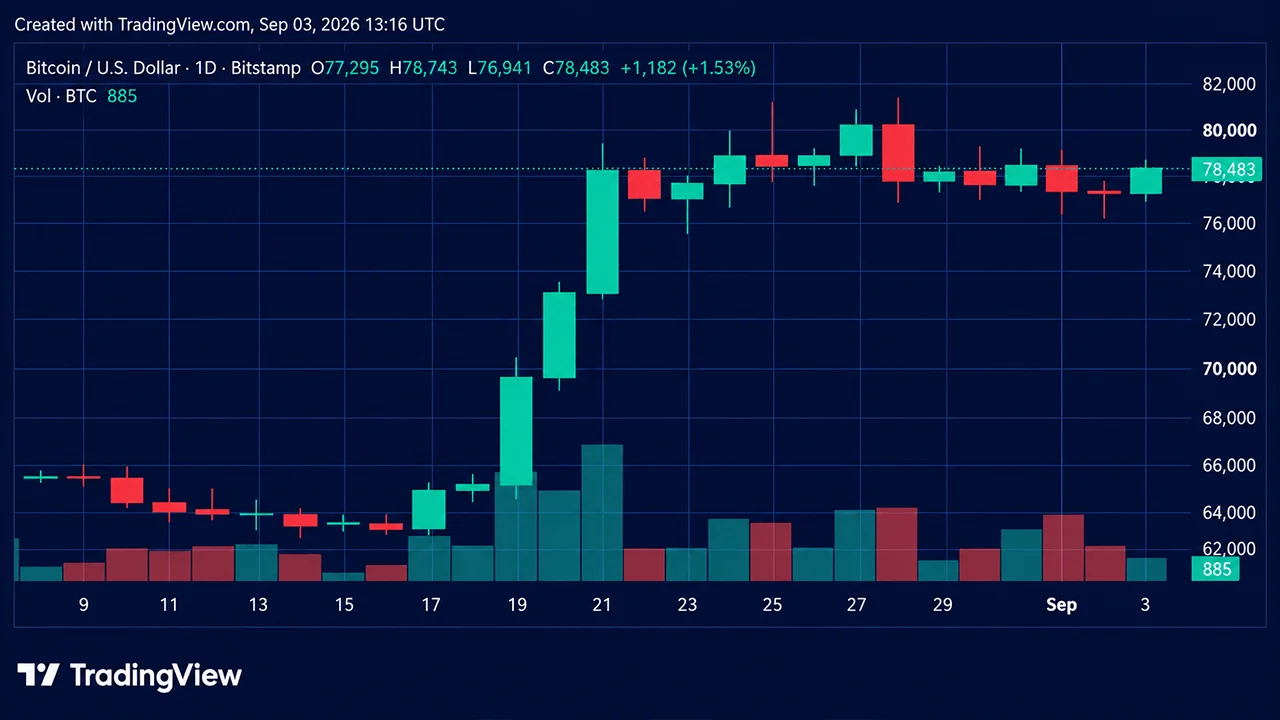
De Bitcoin-koers worstelt met de weerstand op 79.000 dollar, terwijl de stijgende voortschrijdende gemiddelden botsen met het neutrale momentum en de steun op 76.000 dollar.
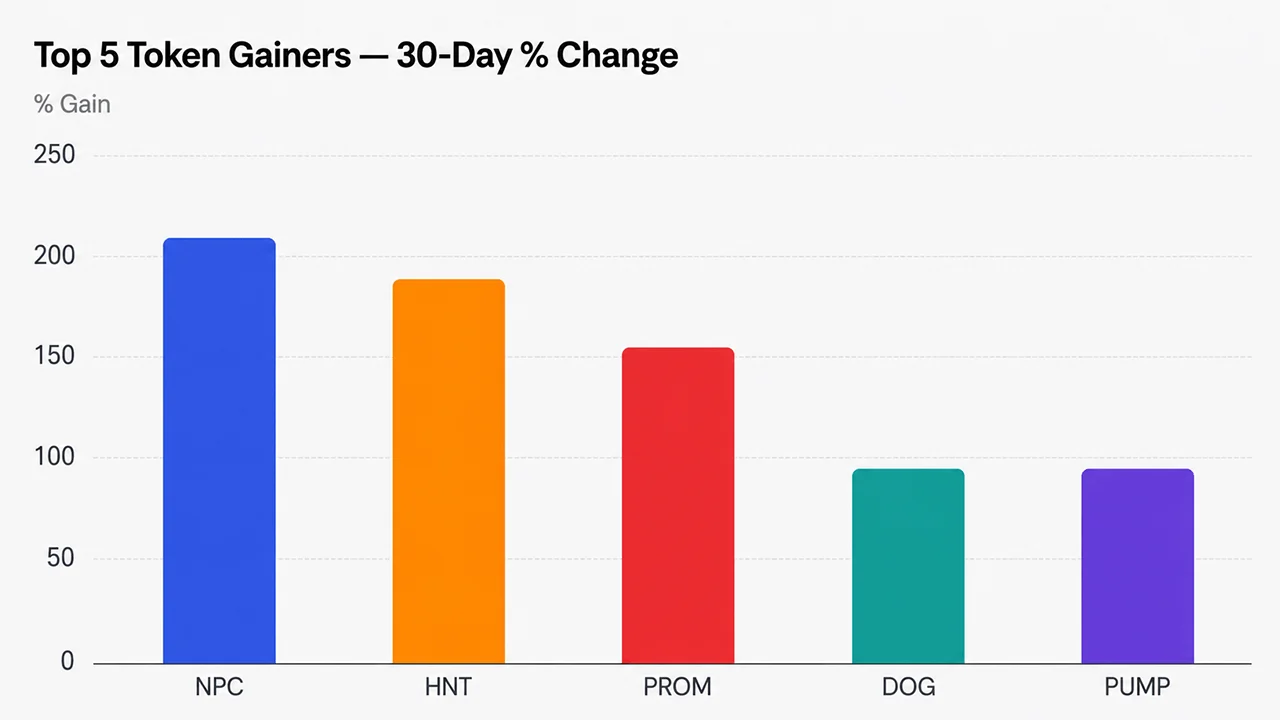
De winnaars op de cryptomarkt schitterden vorige maand, met NPC voorop dankzij een stijging van 206%, maar de bearish geschiedenis van september vormt nu een bedreiging voor de opmars van iedereen.
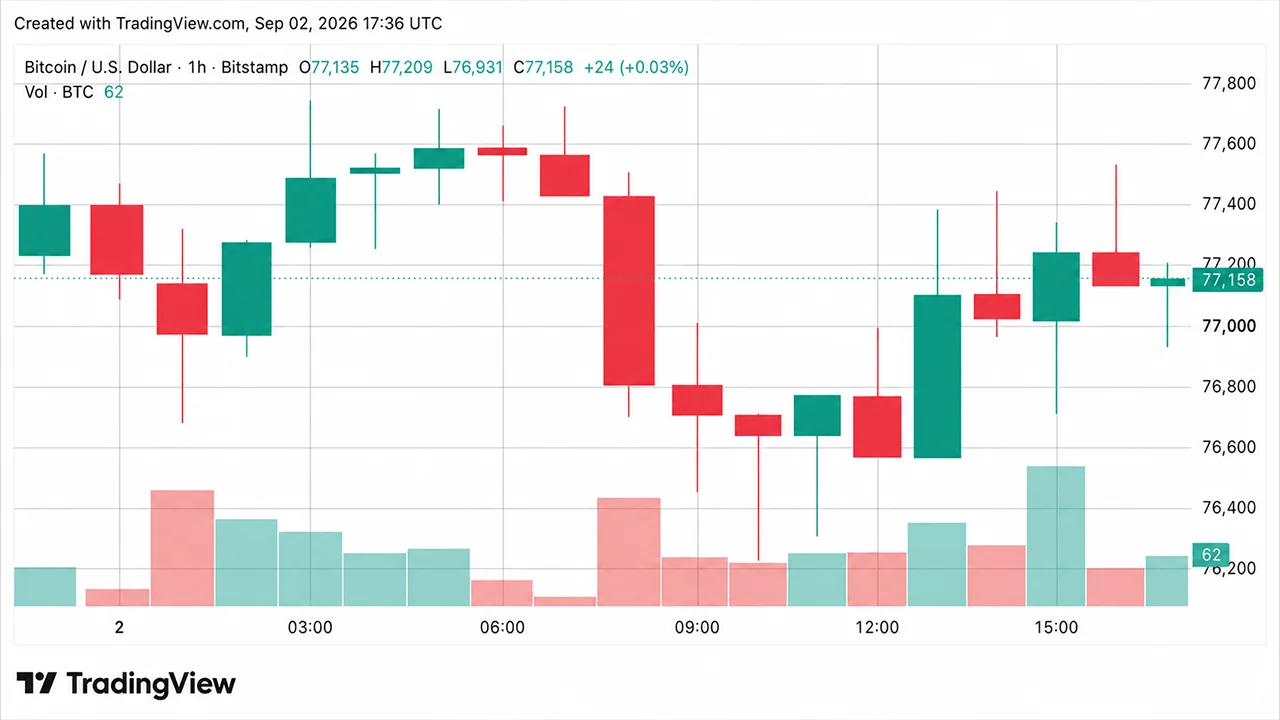
BTC kelderde naar 76.000 dollar tegen de achtergrond van nieuwe militaire aanvallen tussen de VS en Iran en liquidaties ter waarde van meer dan 356 miljoen dollar. Analisten waarschuwen dat het nog te vroeg is om te spreken van een…
The pattern is consistent: the faster and more convenient the method, the more it tends to cost. Bank transfers are usually cheapest but slowest, cards and payment apps are quick but cost more, and peer-to-peer varies widely by platform.
Buy Bitcoin with a credit card or debit card
Cards are the quickest route on this page. You enter an amount, pick your card, and the crypto is delivered once the payment clears, which is usually straight away. Apple Pay and Google Pay are offered in some regions and settle the same way a card does.
Your bank may run a 3-D Secure check before approving the payment. That usually means confirming the transaction in your banking app or entering a one-time code, and it happens between you and your bank rather than on this page.
There is one thing worth checking before paying by credit card: some issuers classify cryptocurrency purchases as a cash advance rather than an ordinary purchase. That can mean a higher interest rate with no grace period, plus a cash-advance fee from your issuer, on top of the purchase fee. Debit cards are not treated as cash advances, although other issuer or provider fees may still apply.
Card limits are set by the payment provider and your card issuer rather than by Bitcoin.com, and they differ by region and by how much verification you have completed. The provider shows the limits that apply to you during checkout.
Choosing which crypto to buy
This is the part that makes buying crypto different from buying a single asset. There are thousands of cryptocurrencies, and most of what beginners buy falls into three groups. This is a buyer's-eye view rather than a full explainer of each type.
Type
What buyers use it for
Lives on
Price behaviour
Before you buy
Major coins (e.g. Bitcoin, Ethereum)
A starting point and long-term holding
Their own network
Can move sharply
Widely supported, easy to buy and sell
Stablecoins (e.g. USDT, USDC)
Holding value or paying without big swings
Several networks
What to weigh when you choose:
Liquidity: More liquid assets generally have more available buying and selling routes and tighter spreads.
Purpose and risk: Understand what an asset is designed to do and the risks involved before buying it.
Coin or token: A coin runs on its own network, while a token lives on another blockchain and relies on it for transactions and fees. For tokens that exist on multiple networks, make sure the network selected during purchase matches the network supported by the receiving wallet.
Volatility: Smaller, newer or heavily promoted assets can swing hard in both directions.
This page is not investment advice; the aim is to help you buy confidently, whatever you choose. If you have already settled on an asset, the coin pages go deeper on what is specific to each one.
Where does your crypto go after you buy it?
Buying crypto and holding crypto are two separate steps. Where your assets sit afterwards depends on the route you used, and it is the choice that matters most for a first-time buyer.
Buying directly to a self-custody crypto wallet
Your crypto is sent to a wallet whose recovery credentials you control, such as the Bitcoin.com Wallet. Once the transaction has confirmed and the asset is available in your wallet, you can hold, send or use it without asking a provider to release it first.
Buying into a custodial account
If you buy on a centralized exchange, or through some payment apps, the crypto may initially stay in an account that the provider controls. To take self-custody, you withdraw it to an address you control on the right network.
Self-custody vs custodial crypto
Aspect
Self-custody
Custodial account
Private keys
You control them
The provider controls them
Sending crypto
You initiate transactions directly
The provider processes withdrawals
Recovery
Neither model removes risk; they relocate it. Self-custody puts key management on you: if you lose access to the wallet and do not have a usable backup or recovery phrase, there may be no third party able to restore access. A custodial account hands that responsibility to a provider, and in exchange you depend on that provider staying solvent, available and willing to process your withdrawal.
Do you need ID to buy crypto?
Identity verification may be required when buying crypto with fiat currency. What is required depends on the payment provider, the transaction, the payment method and your location. On Bitcoin.com, the provider tells you during the purchase what verification it needs.
These requirements are set by the payment provider processing your transaction rather than by Bitcoin.com. Verification requirements differ between providers and purchase methods.
How to compare crypto buying costs
The advertised fee is only one part of the cost. Depending on where you buy, the total can also include:
Exchange-rate spread: the gap between the market rate and the rate you are quoted. It is often built into the rate rather than shown as a line item, which is the part beginners most often miss.
Network fees: paid to the asset's network when it is delivered or later moved. These vary by asset and by how busy that network is. For small transfers, network fees can sometimes be significant relative to the amount being moved.
Withdrawal fee: charged by an exchange if you buy there and later move the crypto to your own wallet.
The final amount of crypto you receive is the most useful comparison because it reflects the quoted rate and the costs included in the purchase.
Where to buy Bitcoin and crypto: wallet app, web account, exchange or P2P
There are four common places to buy: directly on this page with a card or bank transfer, in the Bitcoin.com Wallet app, on a centralized crypto exchange, or peer-to-peer. They differ mainly in who holds the crypto afterwards, which payment methods are accepted, how pricing works and how much verification is involved.
On this page or in the wallet app
Buying here sends the crypto to the wallet you select during checkout, which can be a self-custody wallet you control. The same purchase flow is available in the Bitcoin.com Wallet app, which sets up a self-custody wallet on your device so the crypto arrives somewhere you already control.
Crypto exchanges
A cryptocurrency exchange typically lets you buy and trade through an account controlled by the platform, often using an order book. You create an account, complete the exchange's verification requirements, fund the account, and place an order. The crypto remains in the exchange's custody unless you withdraw it, so many people move it to a personal wallet afterwards.
Peer-to-peer marketplaces
A peer-to-peer marketplace connects you directly with another person selling crypto. Some use escrow to hold the seller's asset while payment is completed. Payment methods vary widely and can include options card-based providers do not support, and depending on the marketplace, sellers may set their own rates or terms. P2P trades can involve counterparty risk as well as risks associated with the marketplace and payment method, so read the payment and release rules carefully before you send funds.
Dollar-cost averaging: buying crypto on a schedule
Dollar-cost averaging means buying the same amount at regular intervals rather than investing a larger amount at once. It spreads your purchases across different prices instead of requiring you to choose one entry point. Common schedules include weekly or monthly purchases.
Potential advantages
spreads purchases across different prices;
creates a consistent buying schedule;
leaves some capital uninvested until later purchases.
Trade-offs
can underperform a lump-sum purchase in a rising market;
repeated purchases can mean repeated fees;
it does not protect you if the asset itself falls in value.
Dollar-cost averaging does not remove risk or guarantee a profit.
Buying safely: mistakes to avoid
Check the receiving address and the network: Confirmed blockchain transactions generally cannot be reversed by the sender, and each asset has its own address format. Sending an asset using an unsupported address or network can make the funds difficult or impossible to recover.
Protect your recovery phrase: Never share your recovery phrase with another person or enter it into a website, message or form claiming to provide support. No genuine support agent will ask for it.
Ignore guaranteed returns and pressure: Promises of guaranteed profits, giveaways and urgent messages are common scam patterns, particularly around smaller or heavily promoted assets.
Test unfamiliar addresses: For an unfamiliar address or network, consider testing with a small amount where practical before moving a larger balance.
Designed to stay near a set value
Pick the version on a network your wallet supports


.svg?v=1785350642344)