La mayoría de las compras requieren una verificación de identidad. Facilitamos el proceso.
3. Realizar el pago
Paga tus bitcoins con tarjeta de crédito, una aplicación de pago o mediante transferencia bancaria
4. Realiza el seguimiento de tu pedido
Sigue en línea el estado de tu pedido de bitcoins, hasta que llegue a tu monedero.
5. Disfruta de tu libertad
Gasta, intercambia, gestiona y protege tus bitcoins con tu monedero de Bitcoin.com
¿Por qué comprar bitcoins en Bitcoin.com?
Lo compras y lo recibes en cuestión de minutos, directamente en un monedero que solo tú controlas.
Buy and receive in one flow
Choose a wallet you control as the destination and receive your BTC there after the purchase is processed.
Payment methods that suit you
Debit card, credit card or bank transfer, depending on what is available where you are.
Secure payment processing
Your payment is processed by the payment provider shown during checkout. Review the provider, payment method and final quote before confirming.
Send, receive, spend and sell
Manage your BTC after the purchase: move it, spend it, swap it for other assets, or sell it back to fiat.
One multichain wallet
Hold BTC alongside ETH, BCH and other leading cryptocurrencies and networks in a single app.
Wallet app or web account
Use the Bitcoin.com Wallet app on mobile, or a Bitcoin.com account to reach your crypto from any device.
¿Qué es el Bitcoin (BTC)?
Key numbers to understand before you buy BTC.
21 Million Bitcoin
Bitcoin's issuance rules cap the total supply at 21 million BTC. No more than that can ever be created.
Satoshis in 1 BTC
100 million
You don't need to buy 1 BTC. Bitcoin can be divided into 100 million smaller units called satoshis.
What can you do with Bitcoin after buying it?
Once the BTC is in a wallet you control, it's yours to hold or use.
Hold it
Keep BTC in a wallet you control, secured by a recovery phrase only you hold.
Send and receive
Move BTC to any Bitcoin address at any time, without asking a provider for permission.
Spend it
Pay merchants and services that accept Bitcoin, directly from a wallet you control.
Set your own fee rate
When sending BTC from a self-custody wallet, the fee rate you choose can affect how quickly miners are likely to include the transaction when the network is busy.
Swap it
Exchange BTC for other supported cryptocurrencies without going back through a bank.
Sell it back to fiat
Convert BTC back into your local currency when you choose to, from the same wallet or account.
Preguntas frecuentes
¿Qué hace que el Bitcoin sea único?
El bitcoin es un activo digital descentralizado. Se trata de un nuevo tipo de activo que se suma a los activos tradicionales, como el efectivo, el oro y los bienes inmuebles. Varias características clave lo diferencian de las formas tradicionales de dinero:
Oferta limitada: Solo habrá 21 millones de bitcoins, lo que lo convierte en un activo escaso. A diferencia de otros objetos que han servido como moneda, como las conchas marinas o la sal, la escasez del bitcoin aumenta su valor y evita la erosión del poder adquisitivo.
Divisibilidad: un bitcoin puede dividirse en 100 millones de partes (sats), lo que proporciona una protección aún mayor frente a la escasez. A diferencia del dólar estadounidense, que solo puede dividirse en 100 céntimos, el bitcoin puede fraccionarse en cantidades mínimas, lo que garantiza que el mundo nunca se «quede sin» él.
Durabilidad: La resistencia del bitcoin se debe a una red de ordenadores distribuida a nivel mundial que realiza un seguimiento independiente de la propiedad, garantizando que no se pierda ningún bitcoin. La estructura de esta red asegura la estabilidad a largo plazo de la moneda.
Portabilidad: Con el bitcoin, las transacciones globales pueden realizarse en cuestión de minutos, independientemente del importe. Esta característica ofrece una accesibilidad y una comodidad sin igual.
Verificabilidad: A diferencia de muchos activos tangibles, la autenticidad del bitcoin se verifica fácilmente. La estructura del sistema hace que sea prácticamente imposible realizar transacciones con bitcoins falsificados, lo que contrasta claramente con otros productos de valor como el oro, que puede falsificarse con mayor facilidad.
¿Quién controla el Bitcoin?
El protocolo de Bitcoin es un software de código abierto creado por una persona o un grupo que utiliza el seudónimo de Satoshi Nakamoto. Las modificaciones que se introducen en él están influidas por quienes ejecutan el software, los titulares, las empresas, los desarrolladores y las partes interesadas. En conjunto, son ellos quienes definen lo que es Bitcoin.
¿Es el bitcoin una reserva de valor?
El papel del bitcoin como reserva de valor es objeto de debate. Su impresionante rentabilidad anualizada y su escasez lo respaldan, pero su elevada volatilidad y las preocupaciones tecnológicas lo desacreditan. Entre las reservas de valor tradicionales se encuentran las monedas fiduciarias, los metales preciosos y los bienes inmuebles, cada uno con características propias. La naturaleza descentralizada y digital del bitcoin ofrece ventajas y retos específicos como reserva de valor. Su papel sigue evolucionando junto con el de otras criptomonedas.
¿Cómo funciona la cadena de bloques de Bitcoin?
El dinero en los bancos figura en un libro mayor, en el que se registran transacciones como depósitos y retiradas, y se basa en el banco como tercero de confianza. Pueden producirse errores, lo que hace necesario elaborar extractos de conciliación. Bitcoin, por el contrario, utiliza un libro mayor descentralizado. Las transacciones son verificadas por nodos que ejecutan el software, se añaden a bloques y se vinculan criptográficamente, formando una cadena de bloques. Los nodos descentralizados de la red de Bitcoin deben alcanzar un consenso sobre la validez de las transacciones a través de un mecanismo de prueba de trabajo (PoW). Este proceso exige que los mineros realicen cálculos, lo que consume energía, encarece la manipulación y garantiza la seguridad de la red, todo ello sin depender de una autoridad central.
¿Cómo comprar bitcoins?
Puedes comprar bitcoins en la aplicación Bitcoin.com Wallet con solo unos toques. Paga con tarjeta de crédito, transferencia bancaria o una aplicación de pago y recibe bitcoins directamente en tu monedero de custodia propia. También puedes comprar bitcoins directamente en esta página y enviarlos al monedero de bitcoins que elijas.
¿Cómo se utiliza Bitcoin?
Puedes comprar, vender, enviar, recibir, gastar y guardar bitcoins en la Cartera de Bitcoin.com
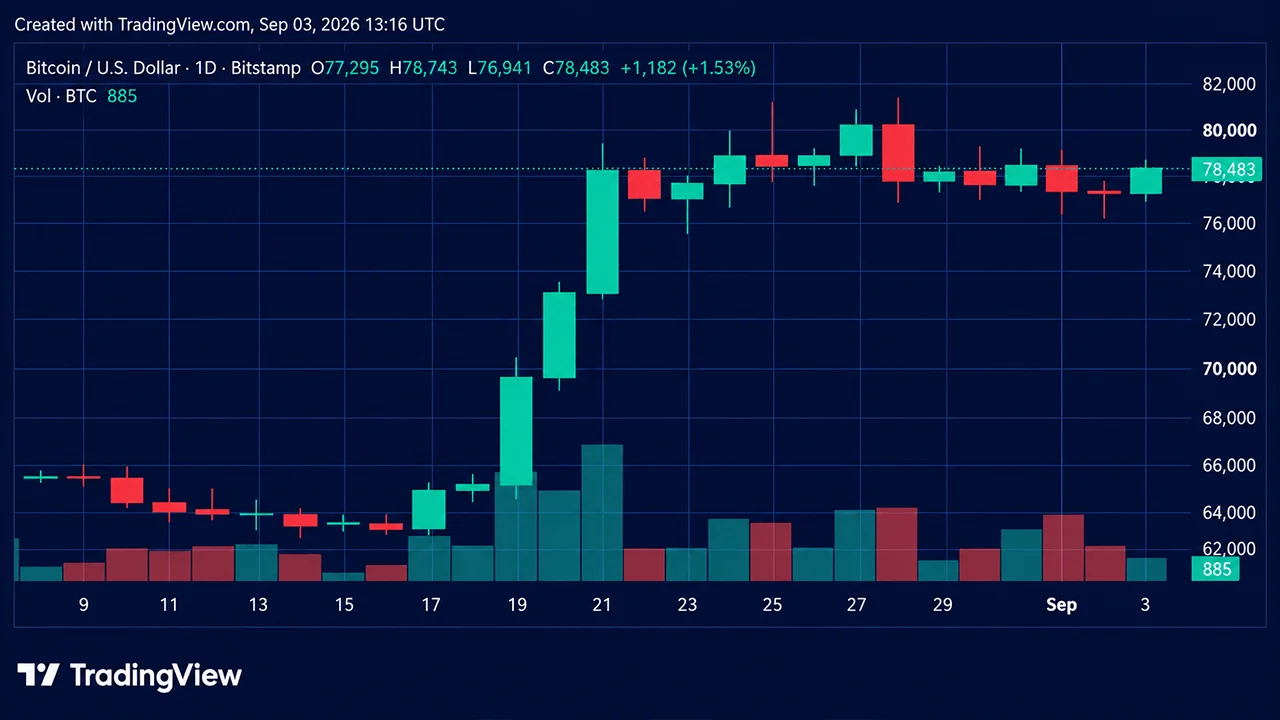
El precio del bitcoin se enfrenta a la resistencia de los 79 000 dólares, mientras las medias móviles alcistas chocan con un impulso neutral y el soporte de los 76 000 dólares.
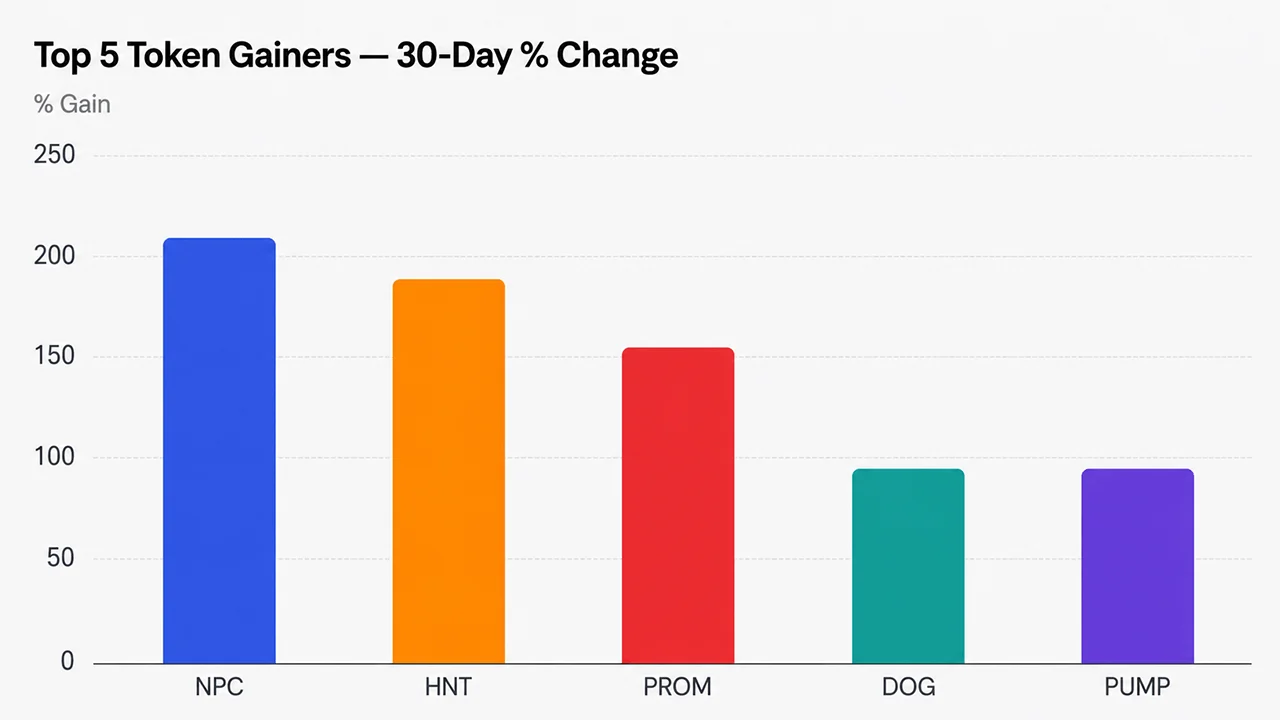
Los valores más destacados del mercado de las criptomonedas brillaron el mes pasado, con NPC a la cabeza gracias a su subida del 206 %, pero el historial bajista de septiembre amenaza ahora el repunte de todos ellos.
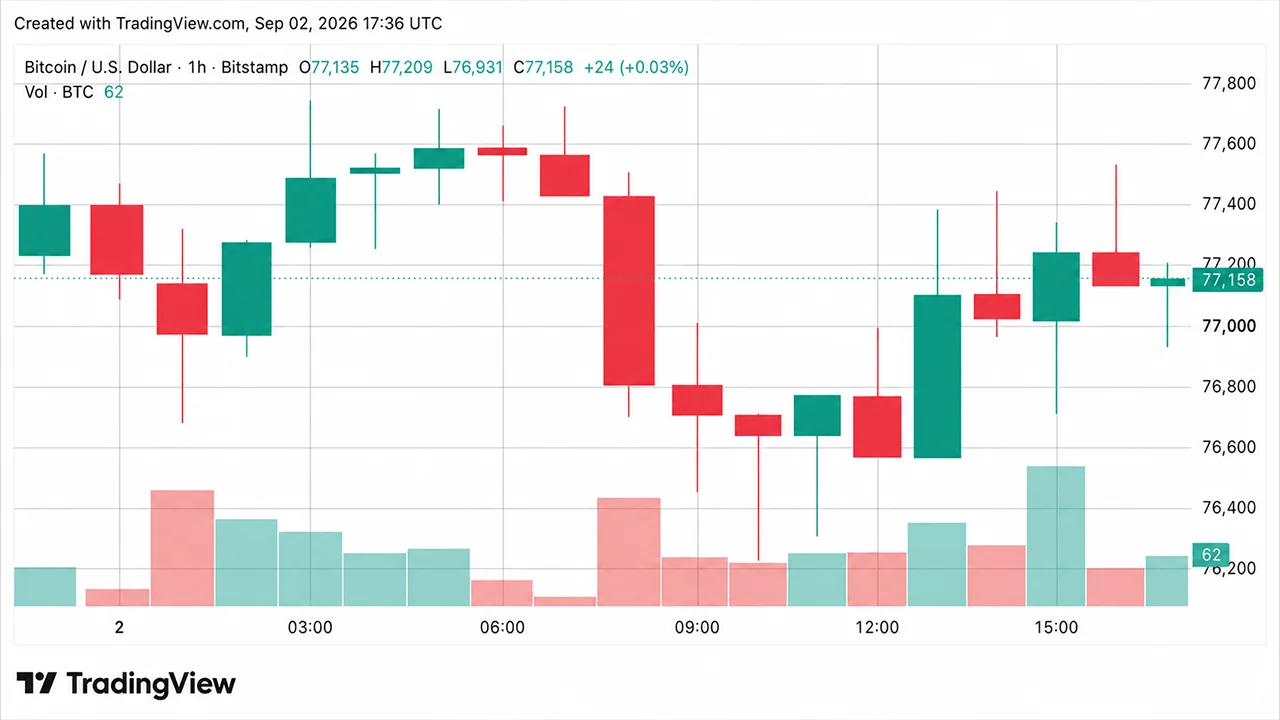
El BTC se desplomó hasta los 76 000 dólares en medio de nuevos ataques militares entre EE. UU. e Irán y de liquidaciones por valor de más de 356 millones de dólares. Los analistas advierten de que aún es prematuro…
Buying Bitcoin online comes down to how you pay, where you buy, and where the BTC goes afterwards. The table below covers the payment routes; for a fuller comparison of buying methods across crypto generally, see the guide to buying crypto. What follows covers the parts specific to Bitcoin.
Payment methods compared
Payment method
Speed
Relative cost
ID usually required
Where your BTC lands
Debit or credit card
Usually instant
Higher
Yes
Wallet or account
Bank transfer
1 to 3 days
Lowest
Bitcoin network fees and confirmations
Bitcoin transactions are settled by the network rather than by whoever sold you the coins. That affects both what a transfer costs and when the BTC becomes usable.
How Bitcoin network fees work
A network fee is attached to each transaction and goes to the miners who include it in a block. The fee is based on the size of the transaction in data terms rather than on the amount of BTC being sent, so moving a large amount does not automatically cost more than moving a small one. Fees rise when more transactions are competing for space in a block.
When sending BTC from a self-custody wallet, the fee rate you choose can affect how quickly miners are likely to include the transaction when the network is busy.
Confirmations
A Bitcoin transaction is confirmed when it is included in a block, and each block added afterwards counts as a further confirmation. Wallets and services differ in how many confirmations they wait for before treating a balance as settled, which is one reason delivery times vary between providers.
Checking the address
Bitcoin addresses have their own formats, and a confirmed transaction generally cannot be reversed by the sender. Check the destination before confirming, and make sure it is a Bitcoin address rather than one belonging to another asset or network.
Where does your Bitcoin go after you buy it?
When BTC is delivered to a self-custody Bitcoin wallet, you control the keys and can send or spend it once the transaction has confirmed. If you buy through a custodial exchange or app instead, the provider controls the BTC until you withdraw it to a Bitcoin address you control. Self-custody puts backup and key management on you, while custodial holding makes you dependent on the provider.
Comparing what you pay for Bitcoin
Beyond the processing fee shown at checkout, the cost of buying BTC includes the spread built into the quoted rate and the Bitcoin network fee when the coins are delivered or later moved. If you buy on an exchange and withdraw afterwards, a withdrawal fee may apply as well. The final amount of BTC you receive is the most useful comparison, because it reflects the quoted rate and the costs included in the purchase.
Buying Bitcoin at an ATM, on an exchange, or peer-to-peer
The buy flow on this page is one route. Others differ in custody, cost and verification.
Bitcoin ATMs
Bitcoin ATMs let you buy with cash or a card. You scan a Bitcoin address from your wallet so the machine knows where to send the coins, and the BTC arrives after you pay. They go directly to a wallet you control. ATM fees can be higher than other buying routes, so check the rate and total cost before confirming, and note that verification requirements vary by operator and amount.
Bitcoin exchanges and peer-to-peer
These work for Bitcoin as they do for any asset: a Bitcoin exchange holds the BTC until you withdraw it, and a peer-to-peer marketplace matches you with a seller, often using escrow. Both routes, and the risks that come with them, are covered in the guide to buying crypto. If you withdraw BTC from an exchange, check the address and expect a withdrawal fee.



.svg?v=1785350642344)